Tooth extraction: when a tooth has to come out, how it works and what matters afterwards
 By Dr. med. dent. Hasan Coşkun · Dentist, 20 years of practice in Germany
15 October 2026 · 6 min read
“I’ll have that tooth looked at later.” – Those “laters” often add up to weeks and months, until the tooth can no longer be saved. Without knowing what to expect, an extraction can feel daunting. So here is a step-by-step explanation of how it works and what matters afterwards.
What is a tooth extraction?
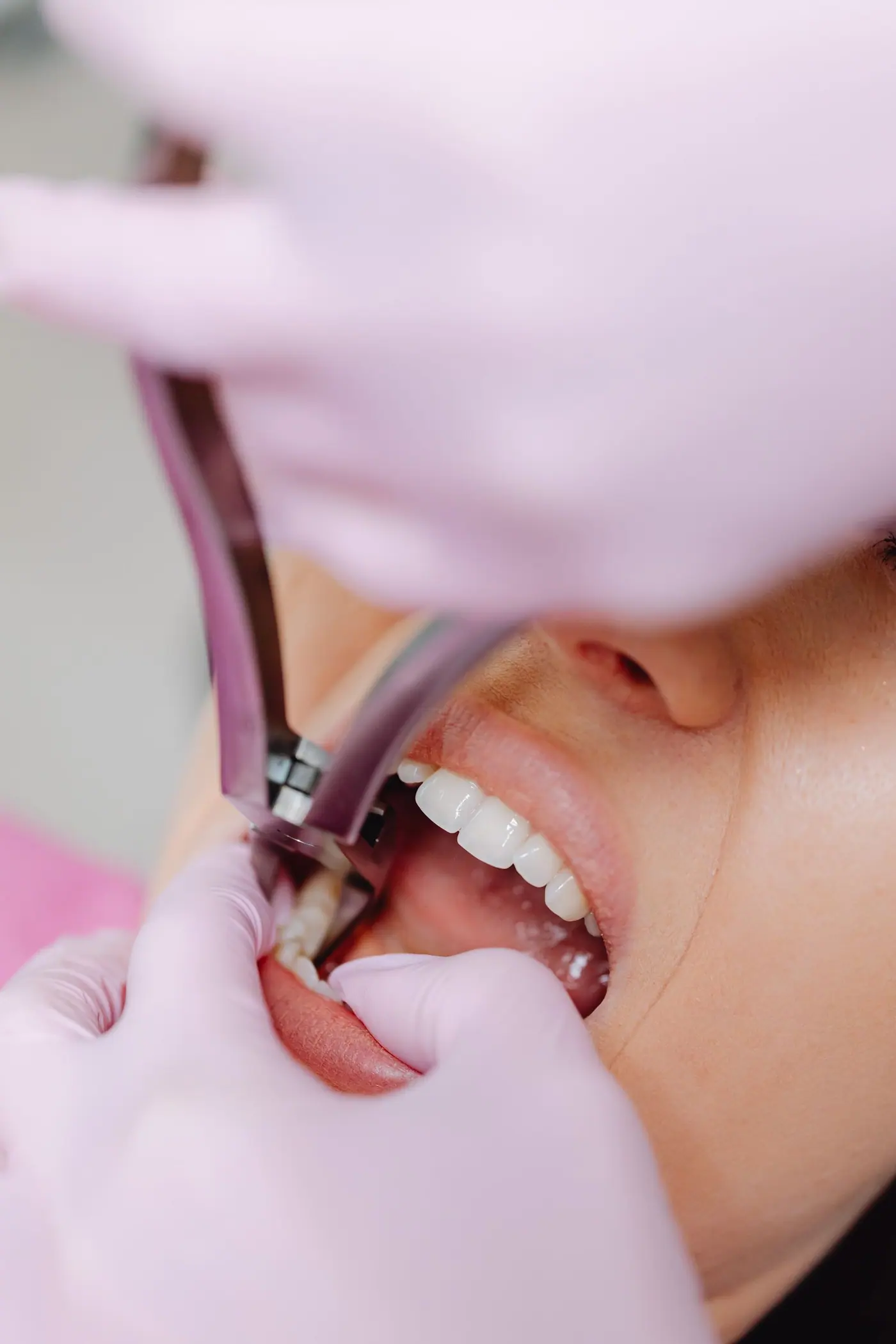
In an extraction, the dentist removes a tooth from its socket in the jawbone. It is always the last resort: if a tooth can be saved – with a filling, root canal treatment, post or crown – that comes first.
Typical reasons for an extraction include:
- Advanced decay that can no longer be treated in other ways
- Infections in or around the tooth that can no longer be treated and may spread
- Trauma that has severely damaged the tooth
- Orthodontic reasons, for example severe crowding
- Impacted teeth such as wisdom teeth that have not or only partially erupted
Simple and surgical extraction
How complex the procedure is depends on the position and condition of the tooth.
Simple extraction – for visible, easily accessible teeth
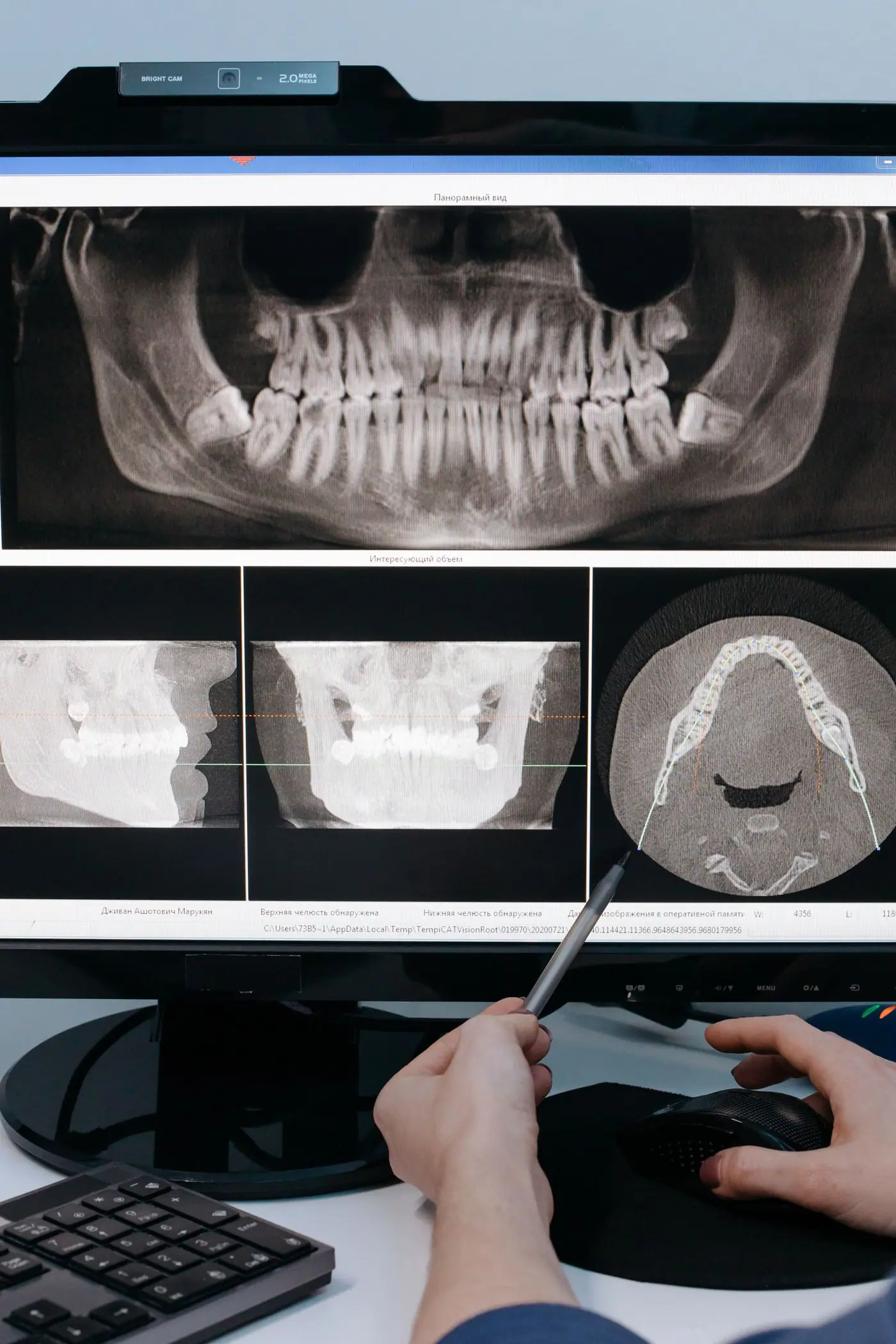
- Examination and X-ray: the X-ray shows the tooth and its roots, which determines the plan.
- Local anaesthesia: the area is numbed so that you usually only feel pressure.
- Loosening: special instruments gently loosen the tooth in its socket.
- Removal and cleaning: the tooth is removed and the site cleaned.
Surgical extraction – for impacted, broken or hard-to-reach teeth
- Examination and 2D or 3D X-ray to assess roots, nerves and neighbouring structures precisely
- Local anaesthesia, in special cases sedation or general anaesthesia
- Access: the gum is opened and some bone may be removed
- Sectioning: the tooth may be divided into smaller pieces and removed completely
- Cleaning and stitches if needed
Recovery after a surgical extraction usually takes a little longer than after a simple one.
What to do after an extraction
- Control bleeding: bite on sterile gauze for about 30 minutes. Do not spit or rinse forcefully – the blood clot protects the wound and is especially important in the first 24 hours.
- Soft food: for the first 24 hours choose soft, lukewarm food and drinks – nothing very hot, cold, spicy or hard.
- Cold compress: cool the cheek from the outside with breaks to reduce swelling and pain.
- Medication: take any prescribed medication exactly as instructed.
- Gentle brushing: from the second day, brush with a soft toothbrush, taking extra care around the wound and without pressure.
What to avoid
- Smoking and alcohol – at least for the first 24 hours, ideally a few days; both can delay healing.
- Very hot or cold food – it can promote bleeding and cause sensitivity.
- Touching the wound – neither with fingers nor tongue, so the clot is not dislodged.
- Strenuous activity – no sport or heavy lifting for the first few days, as higher blood pressure can trigger bleeding.
How healing progresses
Healing is individual. As a rough guide:
- First 24 hours: bleeding stops and a clot forms.
- Days 3–4: swelling and pain decrease.
- Days 7–10: stitches are removed or dissolve.
- About 2 weeks: the gum has largely healed.
- 3–6 months: the bone in the socket rebuilds.
If you have severe pain, ongoing bleeding or signs of infection, contact the practice promptly. If the gap is later to be closed with an implant, this can sometimes be done at the time of extraction.

Dr. Coşkun studied dentistry at Charité – Universitätsmedizin Berlin (graduated 2000) and worked as a dentist in Germany for around 20 years. He has placed more than 10,000 implants and now practises in Istanbul with a focus on implant dentistry.
Frequently asked questions
Does a tooth extraction hurt?
Thanks to local anaesthesia you usually feel no pain during the procedure, only pressure. Mild discomfort afterwards usually settles within a few days.
When can I eat after the extraction?
Wait until the anaesthesia has worn off – usually one to two hours. Soft, lukewarm food is best at first.
How long does recovery take?
Usually about one week after a simple extraction and often two to three weeks after a surgical one. The bone takes a few months to rebuild completely.
What happens if the blood clot is dislodged?
A dry socket can develop: bone and nerves are exposed, which is painful and delays healing. In that case, contact the practice.
Diesen Artikel auf Deutsch lesen →
This article is for general information and does not replace a personal examination. Whether and which treatment is suitable for you can only be assessed after examination and a consultation.
You might also be interested in
 Treatment
All-on-4 dental implants: a fixed solution for missing teeth – who is it for?
A full arch of fixed teeth on just four implants per jaw. How the concept works, who it suits, what the treatment involves and what it is not designed for.
 Treatment
Peri-implantitis: how to spot inflammation around an implant early – and prevent it
Inflammation of the surrounding tissue is the most common late complication of implants. What studies say about frequency and risk – and what you can do yourself.
 Treatment
How long does a dental implant last? What 10- and 20-year studies show
“Will an implant last a lifetime?” Long-term studies give the honest answer. We explain the figures – and why survival is not the same as success.