All-on-4 dental implants: a fixed solution for missing teeth – who is it for?
 By Dr. med. dent. Hasan Coşkun · Dentist, 20 years of practice in Germany
11 September 2026 · 6 min read
Losing most or all of your teeth affects much more than your smile. Eating comfortably, speaking confidently and enjoying a conversation without worrying about your dentures can become a challenge. The good news: replacing missing teeth doesn’t always mean a separate implant for every tooth.
What is the All-on-4 technique?
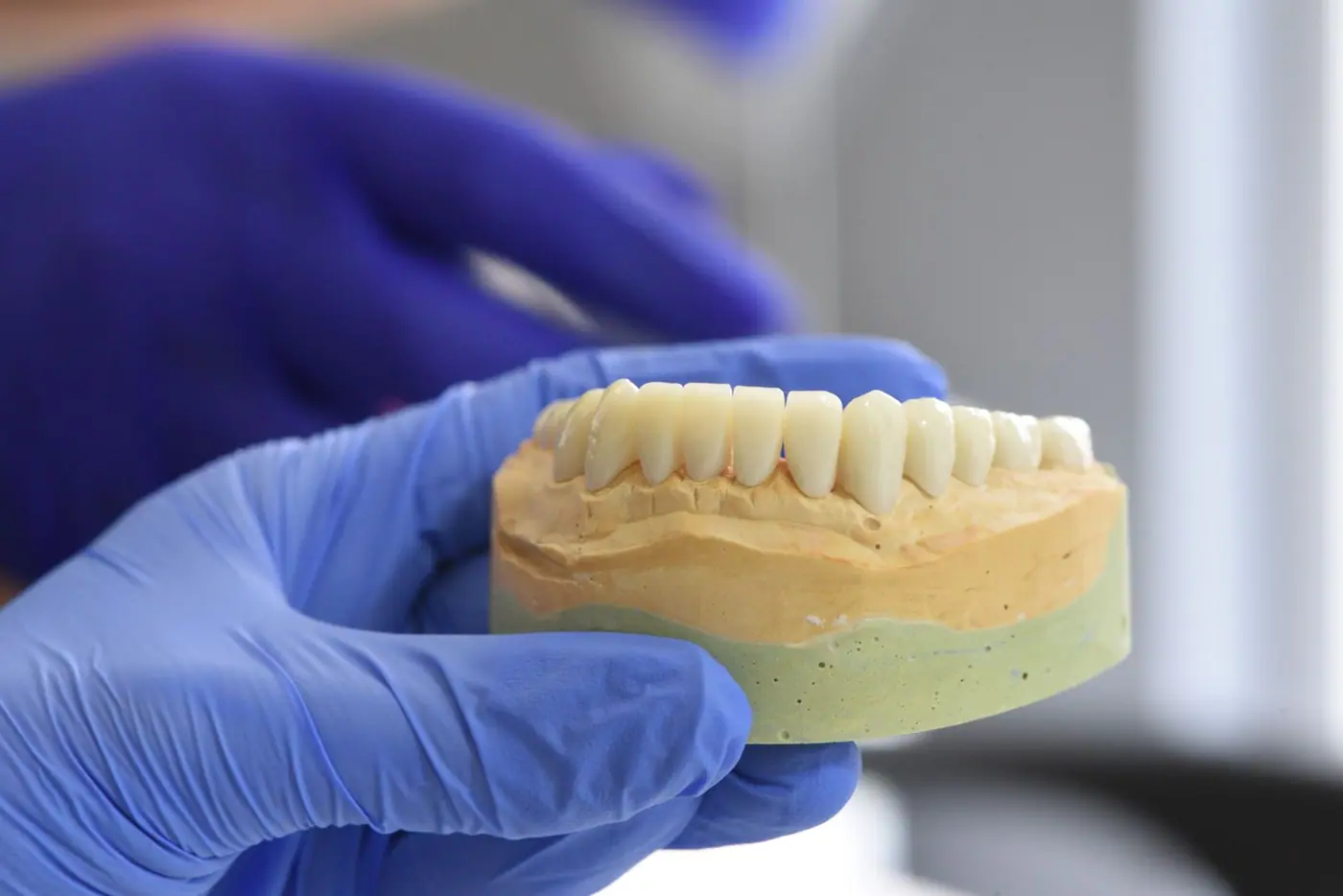
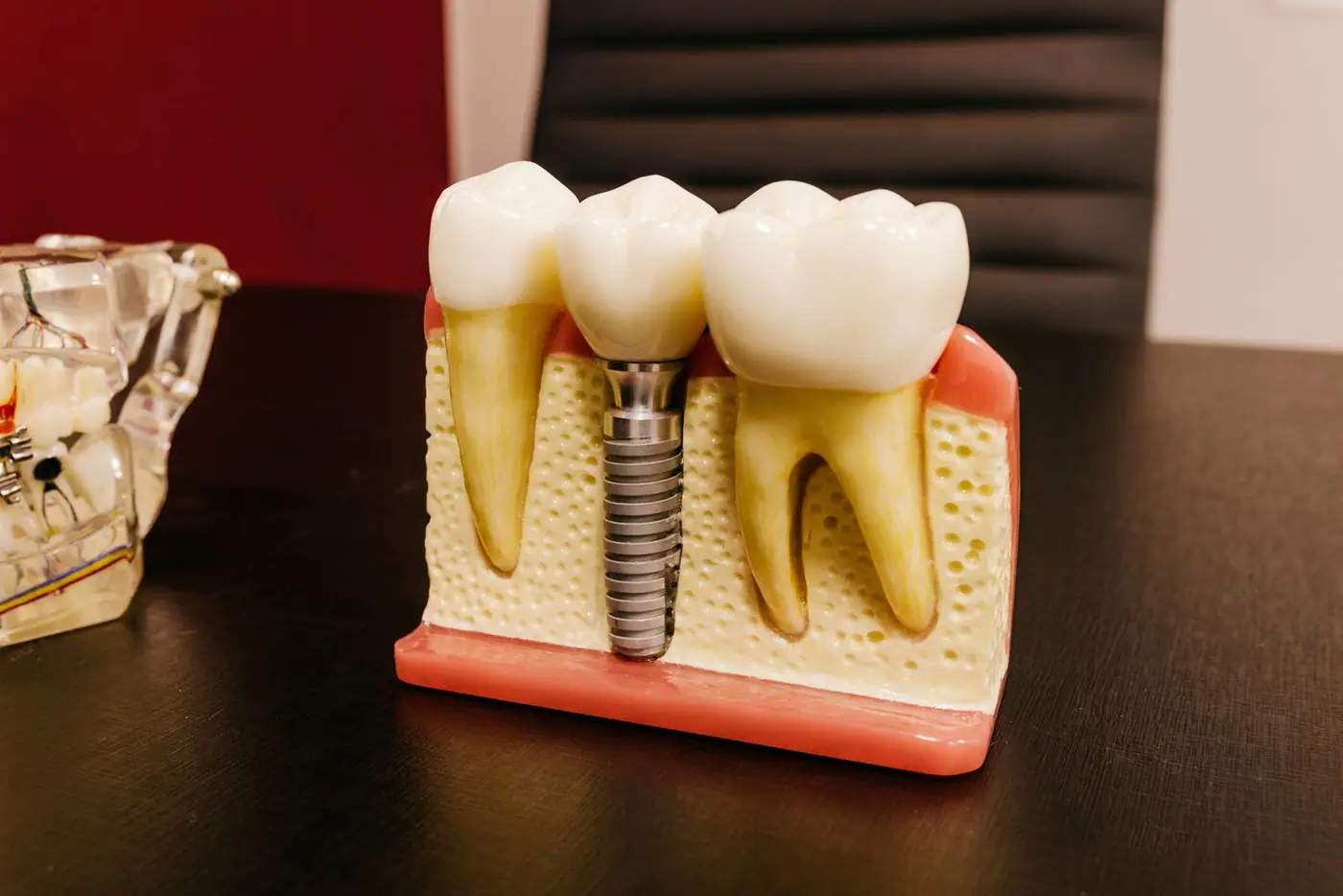
With All-on-4, a full arch of teeth is fixed on four implants. Usually two implants are placed at the front of the jaw and two further back at an angle, so that the available bone is used well and the bridge is supported evenly when chewing and speaking.
In suitable patients, a temporary fixed bridge can often be fitted on the day of surgery or shortly afterwards, so you don’t have to go without teeth during healing. Whether this is possible depends on bone quality, implant stability and your overall oral health. The final bridge is fitted once the implants have integrated with the bone – usually after 3–6 months.
Who is a suitable candidate?
- people who have lost all teeth in one or both jaws, or whose remaining teeth cannot be saved
- patients with sufficient jawbone – with advanced bone loss, additional procedures may be needed
- people with well-controlled general conditions such as diabetes or high blood pressure
- smokers who are willing to cut down or stop, as smoking can affect healing
A thorough examination shows whether All-on-4 is right for you. Even if you have been told you have bone loss, that does not automatically mean implants are impossible.
How the treatment works
- Examination and planning: clinical examination, X-ray and 3D imaging (CBCT) determine bone level, jaw condition, bite and gum health – and thus implant positions, angles and whether additional procedures are needed.
- Anaesthesia: the procedure is usually done under local anaesthesia, with sedation possible in some cases; you typically feel only pressure.
- Implant placement: the four implants are placed according to the plan, the rear ones usually angled.
- Temporary fixed teeth: if the implants are stable enough, a temporary fixed bridge is attached on the same day or shortly after. A soft-food diet is usually needed while the implants heal.
- Final bridge: after osseointegration – often several months – the final bridge is fitted, designed for a comfortable fit and natural appearance.
Possible benefits
- Fewer implants: four well-positioned implants can support a full arch in suitable cases.
- Everyday function: compared with an unstable denture, chewing and speaking can be easier.
- Natural look: the bridge is designed around your mouth and your aesthetic wishes.
- Fixed instead of removable: the bridge is held by implants rather than resting on the gums.
Every patient is different, so expected results, timeline and any additional procedures should be discussed in your consultation.

Recovery and aftercare
- Don’t spit forcefully in the first days – let saliva drain into the sink instead.
- Cool the face from the outside during the first 48 hours to reduce swelling.
- Don’t eat or drink until the anaesthesia has worn off.
- Don’t touch the surgical areas with fingers or tongue.
- Soft food as instructed while the implants heal.
- Medication only as prescribed.
- Keep your mouth clean with a soft brush, taking care around the surgical areas.
- Avoid smoking and alcohol, and attend follow-up appointments.
Is All-on-4 a permanent solution?
All-on-4 is a long-term solution, but not a maintenance-free one. Oral hygiene and regular check-ups strongly influence how long it lasts. The implants can function for many years, while the bridge may need adjustment, repair or replacement over time.
All-on-4 vs. conventional dentures
Conventional dentures rest on the gums and are removable. They work well for many people, but some experience movement, discomfort or difficulty chewing. Without tooth roots, the jawbone also tends to recede over time, which can make a later implant treatment more difficult. All-on-4 uses implants to hold a fixed bridge – but it involves surgery, a healing period and a commitment to ongoing care.

Dr. Coşkun studied dentistry at Charité – Universitätsmedizin Berlin (graduated 2000) and worked as a dentist in Germany for around 20 years. He has placed more than 10,000 implants and now practises in Istanbul with a focus on implant dentistry.
Frequently asked questions
Will I leave with teeth after the first trip?
In many cases a temporary fixed bridge is fitted on the day of surgery or shortly afterwards. Whether this is possible depends on implant stability and is decided individually.
How long until I have my final teeth?
The implants usually need 3–6 months to integrate with the bone before the final bridge is fitted.
Is All-on-4 possible with bone loss?
Often yes – the angled rear implants make good use of the available bone. With advanced bone loss, additional procedures may be needed. A 3D scan shows what is possible.
Diesen Artikel auf Deutsch lesen →
This article is for general information and does not replace a personal examination. Whether and which treatment is suitable for you can only be assessed after examination and a consultation.
You might also be interested in
 Treatment
Peri-implantitis: how to spot inflammation around an implant early – and prevent it
Inflammation of the surrounding tissue is the most common late complication of implants. What studies say about frequency and risk – and what you can do yourself.
 Treatment
How long does a dental implant last? What 10- and 20-year studies show
“Will an implant last a lifetime?” Long-term studies give the honest answer. We explain the figures – and why survival is not the same as success.
Technology & materialsCeramic or titanium implants? What the research on zirconia really shows
Ceramic implants are often described as “metal-free” and natural. What does the data show compared with titanium – and who are they suitable for?