All-on-4 Dental Implants
 Dr. med. dent. Hasan Coşkun · Co-founder of LHC Clinic
7 min read · Deutsch
Losing most or all of your teeth affects how you eat, speak and smile, and removable dentures do not always feel secure or comfortable. The All-on-4 concept offers a fixed alternative: a full arch of teeth supported by four dental implants, planned so that the available jawbone is used as effectively as possible.
What Is the All-on-4 Concept?
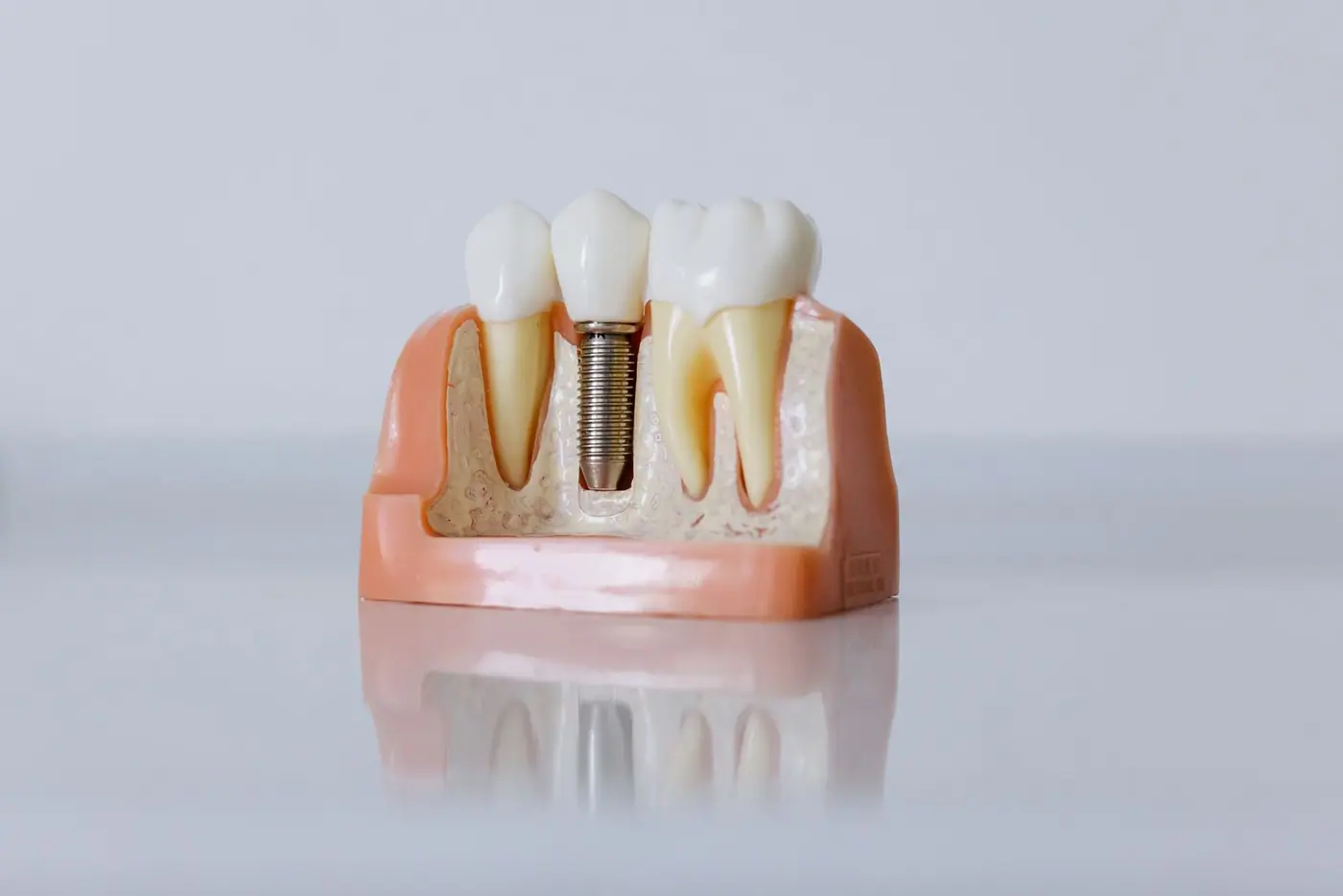
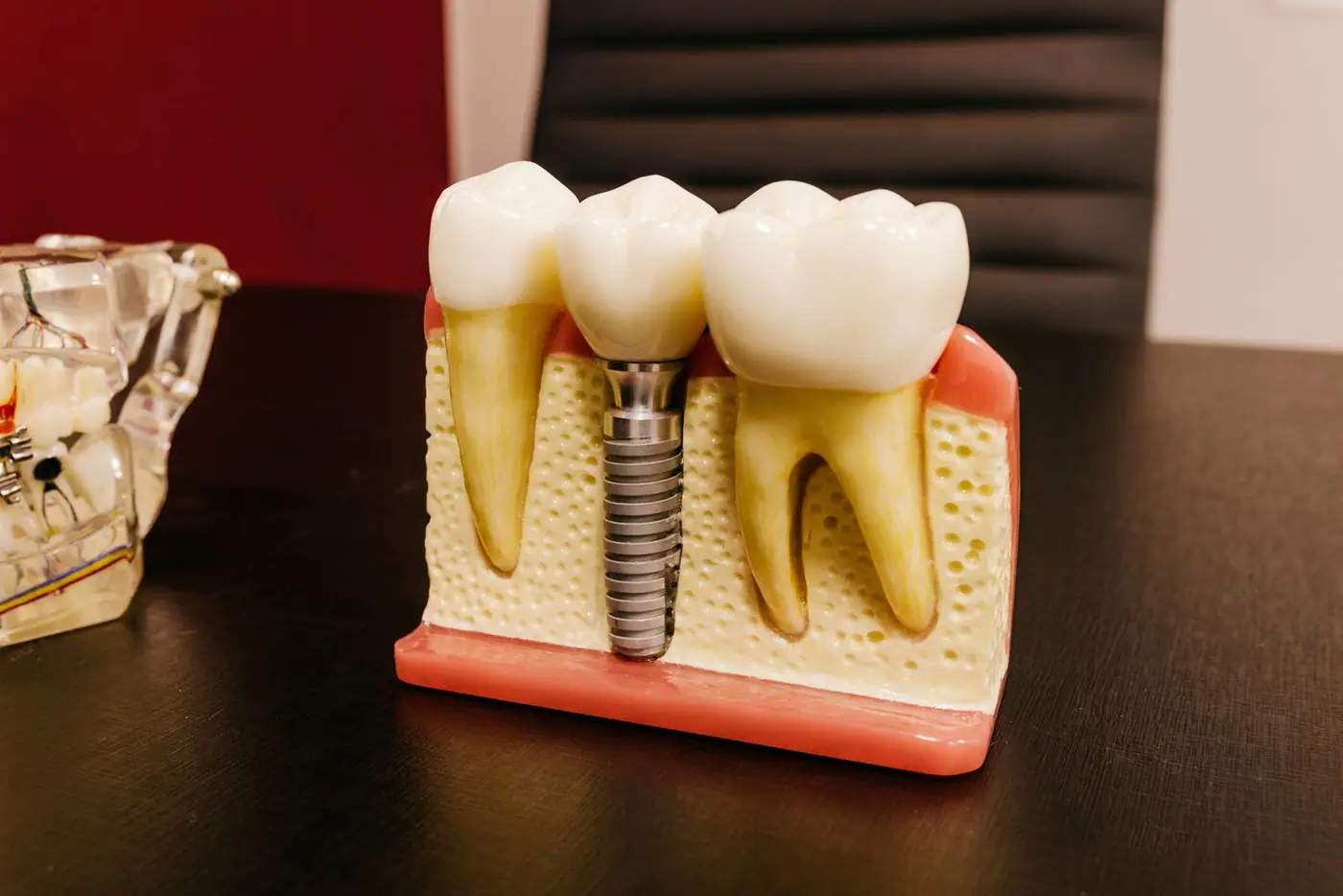
All-on-4 is an implant treatment for people who have lost all the teeth in one jaw, or whose remaining teeth cannot be saved. Four implants are placed in the jawbone, and a full-arch fixed bridge is attached to them. The bridge is screwed onto the implants, so it does not need to be taken out like a removable denture; only your dentist removes it, for example for professional cleaning or maintenance.
Key features:
- Four implants for a full arch: One fixed bridge replaces all the teeth in the upper or lower jaw.
- Efficient use of existing bone: The implants are positioned according to your individual anatomy, in places where they can best support the chewing forces of the jaw. This often makes it possible to avoid extensive bone grafting, even when some bone has been lost.
- Fewer surgical steps: Compared with placing an implant for every missing tooth, the treatment is usually simpler and shorter.
- Possible temporary teeth soon after surgery: In many cases, if bone conditions allow, a temporary fixed bridge can be attached shortly after the implants are placed.
The exact position and orientation of each implant is planned individually from your 3D scans. It depends on the shape and quality of your jawbone and on important anatomical structures such as nerves and the sinuses, so it differs from patient to patient.
Who Is Suitable for All-on-4?
All-on-4 can be a good option for:
- people who have no teeth in one or both jaws
- people whose remaining teeth are badly damaged, loose or cannot be saved and need to be extracted
- people who wear removable dentures and want a fixed, more stable solution
- people with some bone loss who would like to avoid extensive bone grafting, if their bone volume allows it
Some factors need careful assessment before treatment:
- Bone volume and quality: There must be enough bone in the planned implant areas. If bone loss is advanced, additional procedures or a different implant plan may be needed.
- General health: Conditions such as diabetes or high blood pressure are usually compatible with treatment if they are well controlled. Your dentist will ask about your medical history and current medications.
- Smoking: Smoking increases the risk of healing problems and implant failure. Reducing or, ideally, stopping smoking before and after treatment is strongly recommended.
- Gum health and oral hygiene: Commitment to cleaning around the bridge and attending check-ups is essential for long-term success.
Your dentist will examine you thoroughly and explain whether All-on-4 or another option, such as All-on-6, is more appropriate for you.
How Is All-on-4 Carried Out?
The treatment is carried out in several stages. The surgical part is often completed in one day, while the final teeth are fitted after the implants have healed.
1. Examination and Planning
- Your mouth, gums and remaining teeth are examined.
- Panoramic X-rays and 3D cone beam CT scans are used to assess the jawbone in detail.
- The implant positions are planned digitally according to your anatomy, bone quality and the design of your future teeth.
- You receive a clear explanation of the plan, the timeline and what to expect at each stage.
2. Extractions and Implant Placement
- The procedure is performed under local anaesthesia; sedation may be available for patients who feel anxious, depending on your situation.
- Any remaining teeth that cannot be saved are removed, and the area is cleaned.
- Four implants are placed in the positions planned to give the best support for the bridge.
3. Temporary Teeth
- In many cases, if the implants achieve sufficient stability in the bone, a temporary fixed bridge can be attached on the day of surgery or within a few days.
- If immediate loading is not advisable, for example because the bone is softer than expected, your dentist may recommend letting the implants heal first, with a temporary removable solution in the meantime.
- The temporary bridge allows you to speak and smile with confidence during healing. You can start eating soft foods once the local anaesthesia has completely worn off, but you should avoid chewing hard foods during the healing period.
4. Healing and Final Bridge
- Over the following months, the implants fuse with the jawbone (osseointegration). This usually takes around three to six months, depending on the jaw, your bone and your general health.
- Once healing is complete, new scans are taken and your permanent bridge is made and fitted. The final bridge is designed for strength, comfort and a natural appearance.
Advantages of All-on-4
- Fixed teeth instead of a removable denture: The bridge stays in place, so there is no worry about it slipping while eating or speaking, and no need for denture adhesives.
- A full arch on four implants: Fewer implants are needed than for individual replacement of every tooth.
- Often less need for bone grafting: Thanks to individual implant positioning, extensive grafting or sinus procedures can often be avoided, although this depends on your bone.
- Better chewing and speech: Many patients find they can eat a wider range of foods and speak more clearly than with removable dentures.
- Natural appearance: The bridge is designed to suit your face, lips and smile.
- Support for the jawbone: Implants transmit chewing forces to the bone, which helps slow the bone loss that usually follows tooth loss.
- Long-term solution: With good oral hygiene and regular maintenance, All-on-4 restorations can serve you for many years.
Recovery and Aftercare
Every patient heals differently, so your dentist will give you specific instructions. In general:
- After surgery: Wait until the anaesthesia has worn off before eating or drinking anything hot. Some swelling, bruising and tenderness are normal in the first days; cold compresses on the cheeks can help.
- Take your medication as prescribed: Use painkillers, antibiotics or mouth rinses exactly as instructed.
- Eat soft foods during healing: Choose soft, lukewarm foods for the first weeks and avoid hard, crunchy, sticky, very hot or spicy foods until your dentist advises otherwise.
- Avoid smoking and alcohol: Both slow healing and increase the risk of complications, especially in the first weeks.
- Keep the area clean: Rinse and clean gently as advised at first, then clean around and under the bridge daily with a soft toothbrush, interdental brushes or a water flosser.
- Attend all follow-up appointments: Check-ups are usually recommended every three to six months in the first year and at least once a year afterwards, including professional cleaning of the bridge.
- Protect your teeth at night if needed: If you grind or clench your teeth, your dentist may recommend a night guard.

All-on-4 at LHC Dental
At LHC Dental in Istanbul, All-on-4 treatment starts with a detailed examination and 3D imaging, so that implant positions are planned for your specific jaw rather than a standard template. We explain each stage clearly, including whether immediate temporary teeth are realistic in your case, and plan your visits around the healing time between surgery and final teeth. After treatment, we provide written aftercare instructions and stay in contact for follow-up and maintenance.
Frequently Asked Questions
Will I leave the clinic with teeth on the same day?
In many cases, yes, if the implants achieve enough stability in the bone, a temporary fixed bridge can be attached on the day of surgery or within a few days. Whether this is possible depends on your bone quality, which your dentist will assess before and during surgery.
Is the All-on-4 procedure painful?
The surgery is carried out under local anaesthesia, so you should feel little during the procedure. Swelling and discomfort in the following days are common and can usually be managed with the painkillers your dentist prescribes.
How long does the whole treatment take?
The surgical stage is often completed in one day. The implants then usually need around three to six months to heal before the permanent bridge is fitted. Your total timeline depends on your individual healing and any additional procedures.
What is the difference between All-on-4 and All-on-6?
Both provide a fixed full-arch bridge. All-on-6 uses six implants, which can distribute chewing forces over more support points and may be preferred when there is enough bone. All-on-4 can be a good option when bone is more limited. Your dentist will recommend the approach that suits your jaw.
How do I clean an All-on-4 bridge?
You clean it daily, much like natural teeth, with a soft toothbrush, plus interdental brushes, special floss or a water flosser to clean underneath the bridge. Regular professional cleanings and check-ups at the clinic are also important.
Can I have All-on-4 if I have bone loss?
Often, yes. Individual implant positioning allows many patients with some bone loss to be treated without extensive grafting. If bone loss is advanced, additional procedures or another treatment option may be recommended after your 3D scan.
This page is for general information and does not replace a personal examination. Whether a treatment is suitable for you can only be assessed after an examination and consultation.