Implant-Supported Prosthesis
 Dr. med. dent. Hasan Coşkun · Co-founder of LHC Clinic
6 min read · Deutsch
Missing teeth affect more than your smile: they change how you chew, how you speak and how comfortable you feel eating in company. An implant-supported prosthesis is a well-established way to replace missing teeth with restorations that are anchored in the jawbone, and LHC Dental in Istanbul plans each one individually around your mouth, your bone and your goals.
What Is a Dental Implant?
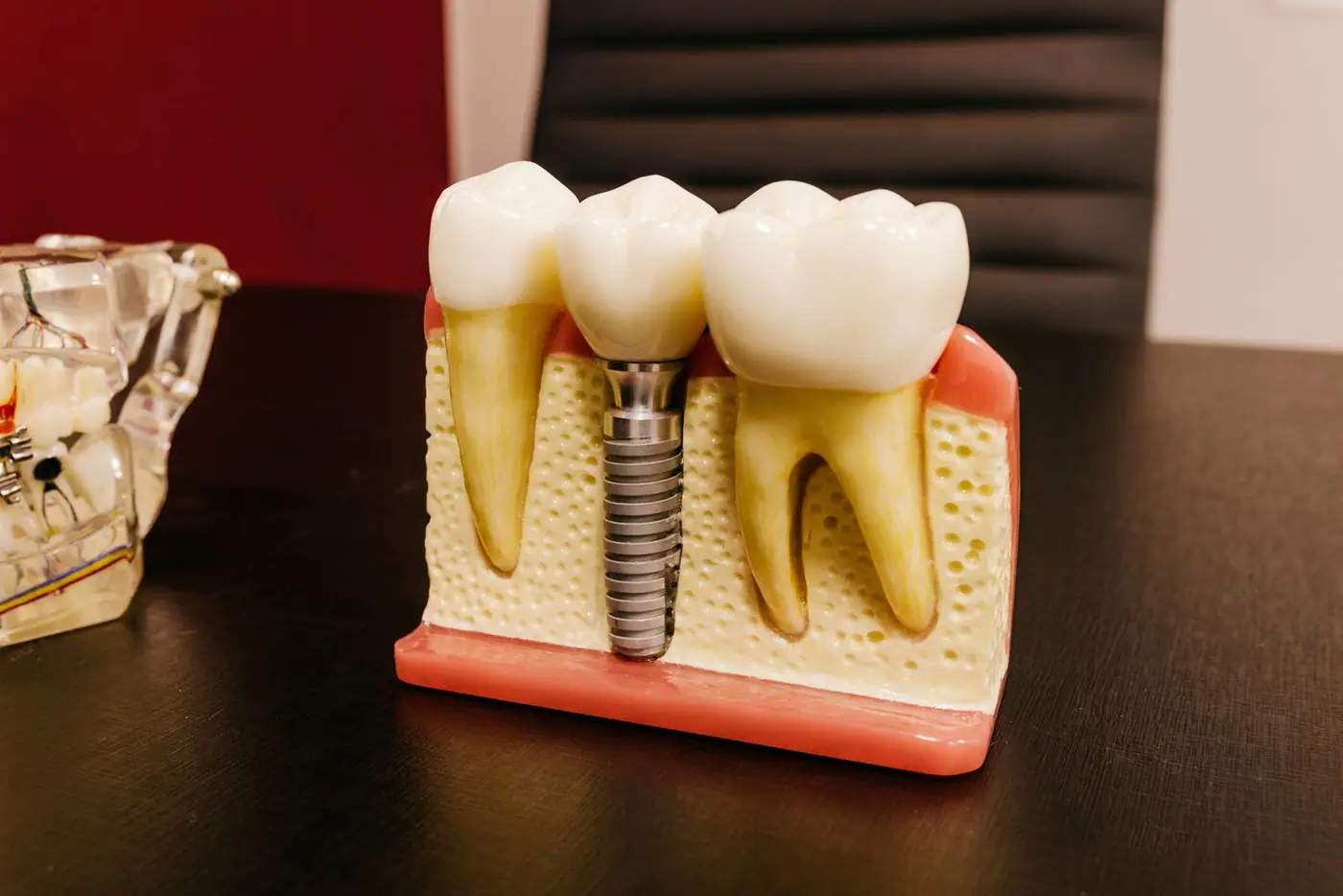
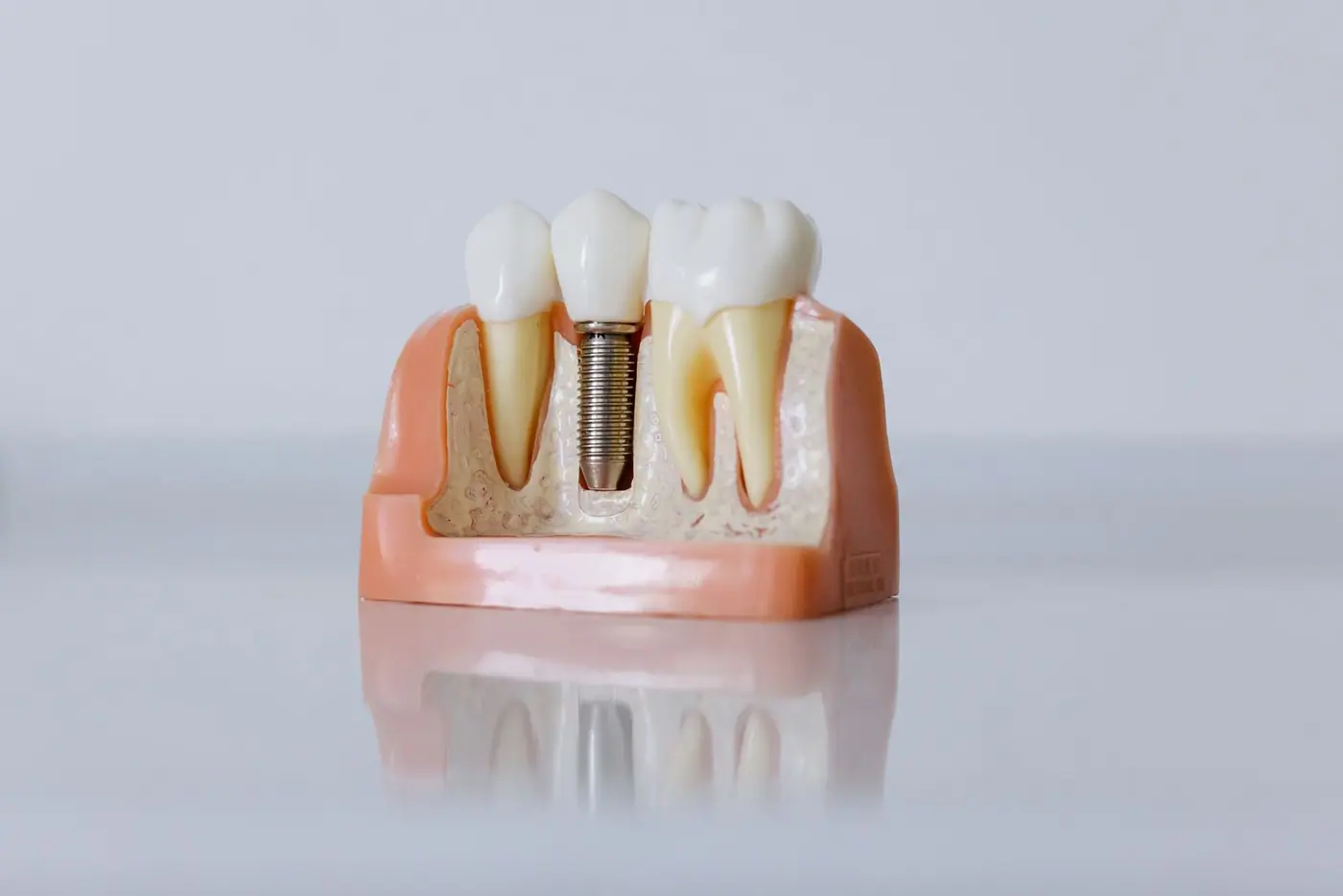
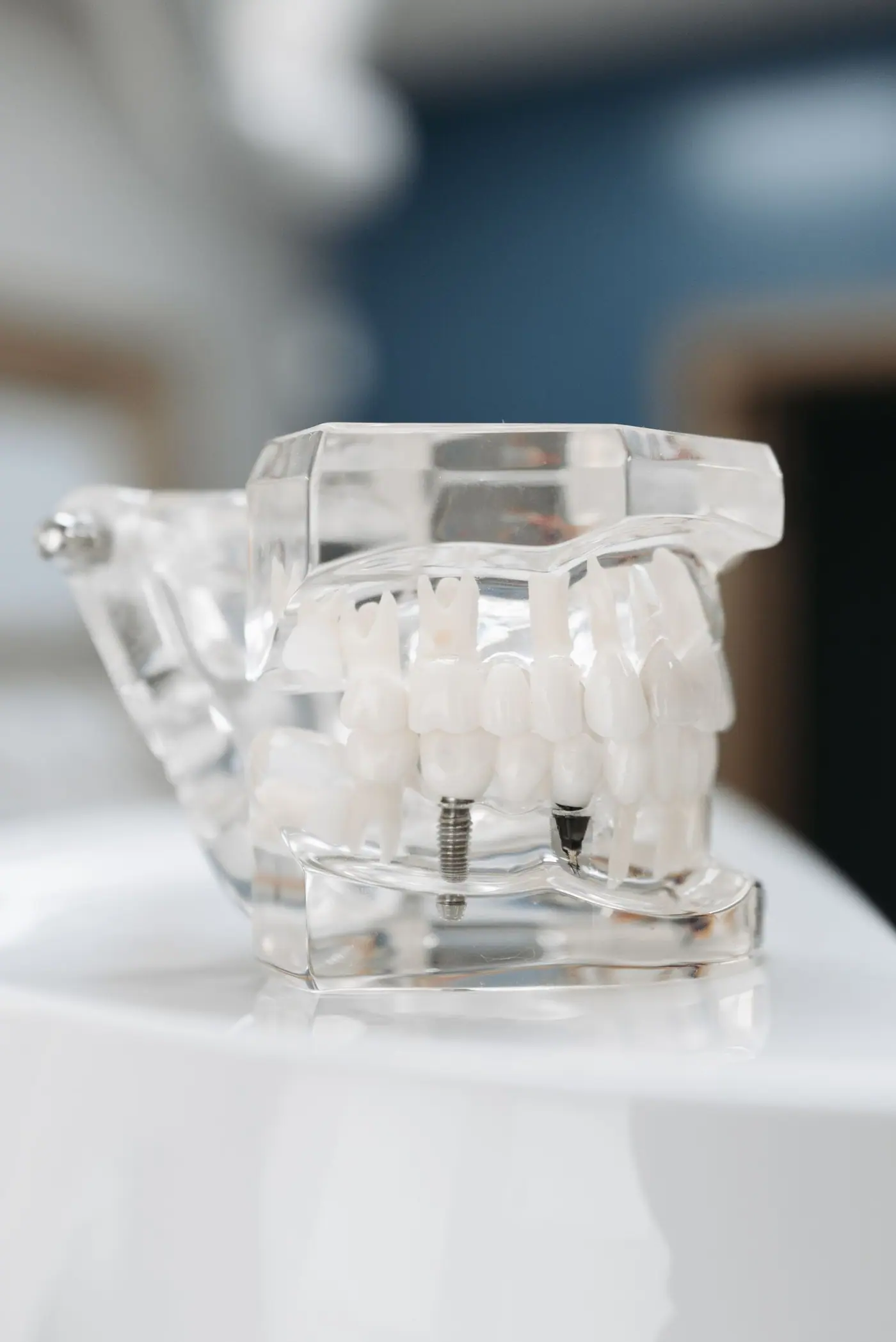
A dental implant is a small screw-shaped post, usually made of titanium, that is placed in the jawbone where a tooth root used to be. Over the following months, the bone grows tightly around its surface in a process called osseointegration. Once healed, the implant acts as a stable artificial root that can carry a crown, a bridge or a full set of teeth.
What Is an Implant-Supported Prosthesis?
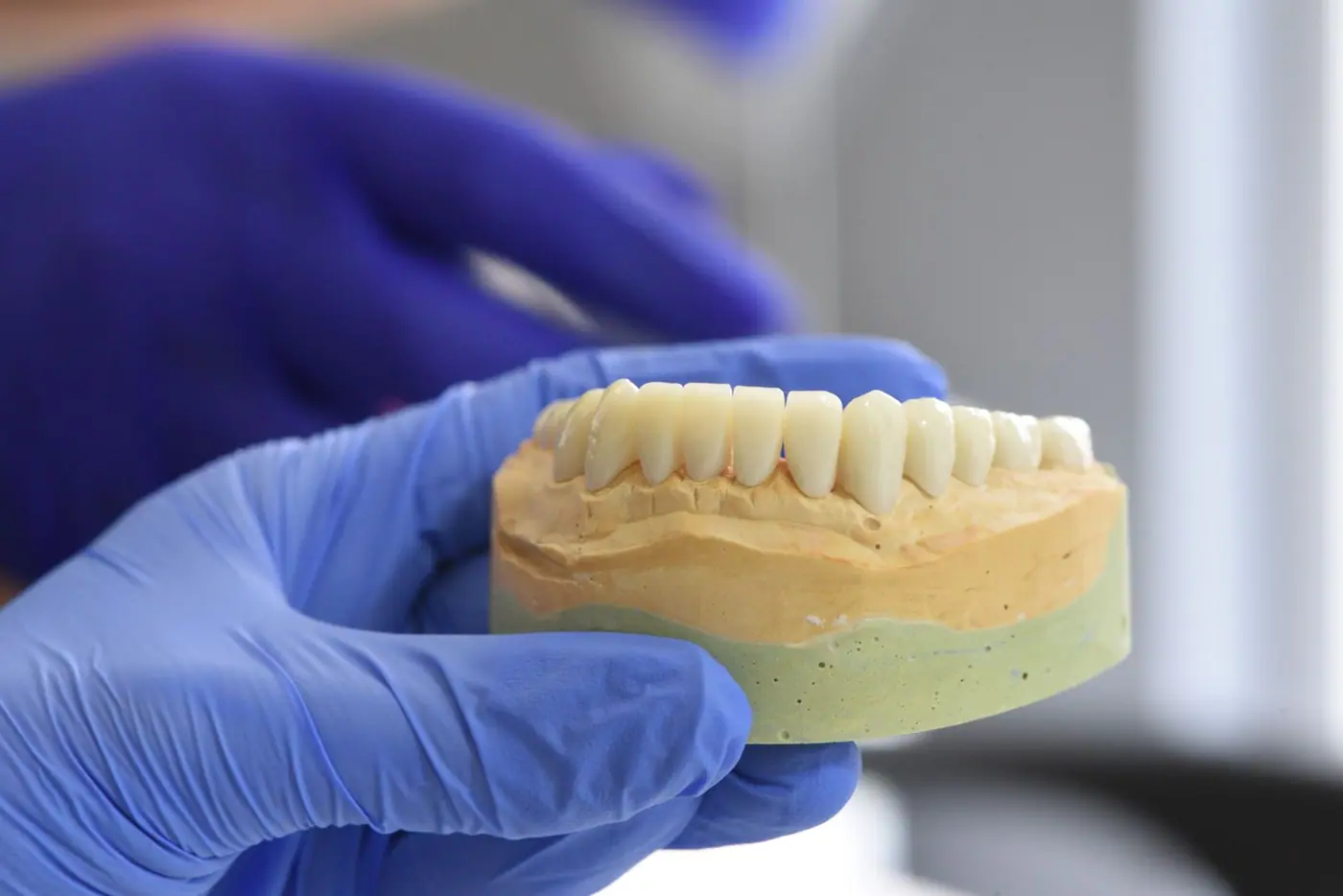
An implant-supported prosthesis is any replacement tooth or set of teeth that is held by implants rather than by neighbouring teeth or by the gums alone. The implant sits in the bone, a connecting part called an abutment is attached to it, and the visible teeth are fixed on top. Depending on how many teeth are missing, the prosthesis can be a single crown, a bridge of several teeth or a full-arch restoration.
How It Differs From Other Tooth Replacements
Understanding the alternatives makes it easier to see where implant-supported prostheses fit.
Conventional Removable Dentures
A conventional denture rests on the gums. A full denture is held mainly by suction and the shape of the jaw; a partial denture also uses clasps that hook onto remaining teeth. Dentures are taken out for cleaning and at night. They are a simple, non-surgical option, but many people find they can move while eating or speaking, an upper denture covers the palate, and because they do not stimulate the bone, the jaw tends to shrink over time, so dentures often need relining or remaking.
Conventional Fixed Bridges
A traditional bridge is cemented onto natural teeth on either side of a gap. Those supporting teeth need to be reshaped to carry crowns. A bridge is fixed and comfortable, but it depends on having healthy teeth in the right places, and it does not replace the missing root in the bone.
Implant-Supported Prostheses
These use implants as the foundation instead of gums or neighbouring teeth. They come in two main forms:
- Fixed implant-supported prostheses: Crowns, bridges or full-arch bridges that are screwed or cemented onto implants. Only your dentist can remove them. They feel the most similar to natural teeth and are suitable for one missing tooth, several teeth or a whole jaw.
- Removable implant-supported prostheses (overdentures): A denture that clicks onto two or more implants using attachments such as locators or a bar. You can take it out to clean it, but it is held far more securely than a conventional denture. This is often considered when bone is limited, when fewer implants are planned, or when easier cleaning is a priority.
Your dentist will explain which type suits your bone volume, bite, hygiene habits and expectations.
Benefits of Implant-Supported Prostheses
- Stability: Teeth that do not slip, so you can eat, laugh and speak with more confidence.
- Chewing and speech: Most patients can chew a wider range of foods and speak more clearly than with a conventional denture.
- Protection of neighbouring teeth: Healthy teeth next to a gap do not need to be reshaped to support the replacement.
- Bone preservation: Implants transfer chewing forces into the jawbone, which helps slow the bone loss that follows tooth loss and supports facial contours.
- Prevention of tooth shifting: Filling gaps helps stop neighbouring and opposing teeth from drifting or over-erupting.
- Natural appearance: Shape and shade are designed to blend with your face and remaining teeth.
- Durability: With good care and regular check-ups, implant-supported restorations can last for many years.
The Treatment Step by Step
- Consultation and planning: Your dentist examines your mouth and reviews your medical history. Panoramic X-rays and, where needed, 3D imaging show the bone in detail. Implant positions and the design of the prosthesis are planned digitally.
- Implant placement: Under local anaesthesia, the implants are placed in the jawbone. If bone is insufficient, bone grafting or a sinus lift may be done beforehand or at the same time.
- Healing: Over roughly two to six months, depending on the site, the bone quality and your general health, the implants integrate with the bone. A temporary restoration may be provided during this time if your situation allows.
- Abutment placement: Connecting parts are attached to the implants to hold the prosthesis.
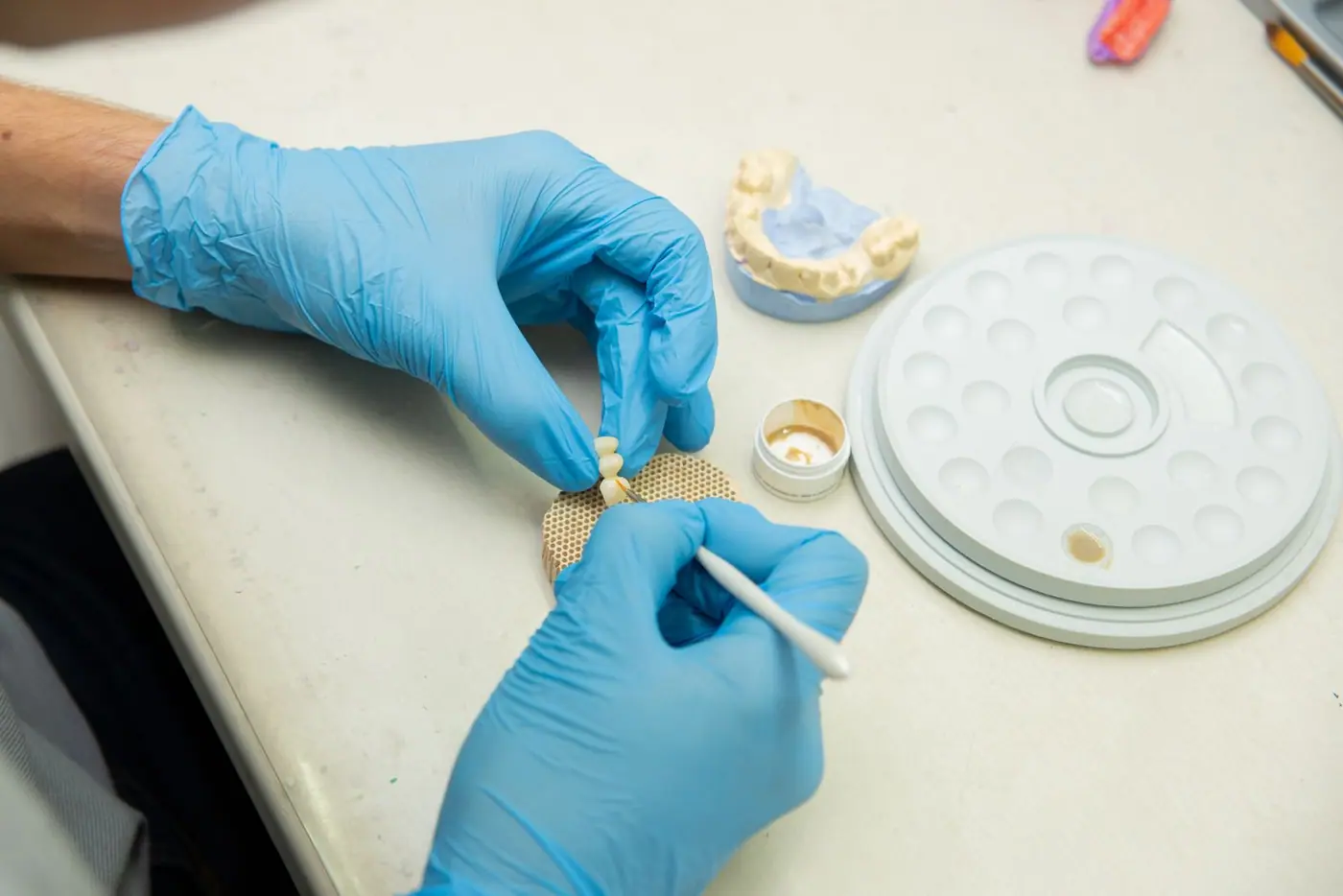
- Fitting the final prosthesis: Scans or impressions are taken, and your crown, bridge or overdenture is made, tried in and fitted. Your bite is checked and fine-tuned.
Materials
The material is chosen according to the position of the teeth, the type of prosthesis and your bite:
- Zirconia: Strong, metal-free and tooth-coloured; used for crowns and bridges in both front and back teeth.
- Porcelain (ceramic): Highly natural appearance; often layered on zirconia or other frameworks, especially for visible front teeth.
- Acrylic: Lightweight and easy to adjust; commonly used for overdentures and some full-arch bridges or temporaries.
Caring for Your Implant-Supported Prosthesis
Implants cannot decay, but the gums and bone around them can become inflamed if plaque builds up. This condition, called peri-implantitis, is one of the main reasons implants run into problems, so daily care really matters.
- Brush twice a day with a soft toothbrush, paying special attention to where the prosthesis meets the gum. An electric toothbrush can make this easier.
- Clean between and underneath with interdental brushes, implant floss or a water flosser. Under bridges and full-arch restorations, this is where most plaque collects.
- Removable overdentures: Take them out daily, brush them with a denture brush and mild soap or denture cleaner (not regular toothpaste, which can scratch), clean the attachments on the implants carefully, and store the denture as your dentist recommends. Attachment inserts wear over time and need periodic replacement.
- Watch what you bite: Avoid chewing ice, opening packaging with your teeth or biting very hard objects, which can chip the prosthesis.
- Protect against grinding: If you clench or grind, a night guard can protect both the prosthesis and the implants.
- Do not smoke: Smoking increases the risk of gum and bone problems around implants.
- Regular check-ups: Visit your dentist about every six months, or as advised, for professional cleaning and to check the bite, the screws and the gum health.
- Act early: Bleeding, swelling, a bad taste or a loose part are reasons to contact your dentist promptly.
Why LHC Dental
At LHC Dental, treatment starts with a careful examination and digital planning based on X-rays and 3D imaging, so that implant positions and the final teeth are planned together rather than separately. Your dentist explains the options, from single crowns to overdentures and fixed full-arch bridges, along with what each involves, so you can make an informed decision. Each step and the expected healing time are discussed in advance, and you receive clear aftercare instructions and follow-up appointments to look after your new teeth over the long term.
Frequently Asked Questions
What is the difference between a fixed and a removable implant prosthesis?
A fixed prosthesis is screwed or cemented onto implants and can only be removed by your dentist. A removable implant-supported denture clicks onto implants for stability, but you take it out yourself for cleaning. Your dentist will recommend one based on your bone, bite and hygiene needs.
How many implants do I need?
It depends on how many teeth are missing and on your bone. A single tooth usually needs one implant, a bridge of several teeth may need two or more, and a full jaw is typically restored on four to six implants for a fixed bridge, or two to four for a removable overdenture.
Is implant placement painful?
The procedure is done under local anaesthesia, so you should not feel pain during it. Some swelling and discomfort for a few days afterwards is common and usually manageable with the painkillers your dentist prescribes.
How long does an implant-supported prosthesis last?
With good daily hygiene and regular check-ups, implant-supported restorations can last for many years. Parts such as overdenture attachments or the surface of the teeth may need maintenance or renewal over time.
Can I switch from my old denture to an implant-supported one?
In many cases, yes. Your dentist will check your bone with 3D imaging. Sometimes an existing denture can even be adapted to click onto new implants, but often a new prosthesis gives a better fit.
This page is for general information and does not replace a personal examination. Whether a treatment is suitable for you can only be assessed after an examination and consultation.