Zirconium Implants
 Dr. med. dent. Hasan Coşkun · Co-founder of LHC Clinic
6 min read · Deutsch
Dental implants are one of the most stable ways to replace a missing tooth. Most implants today are made of titanium, a material with a long and well-documented track record, while zirconium (zirconia) implants offer a metal-free, tooth-coloured alternative for certain patients. At LHC Dental in Istanbul, both materials are part of implant planning, and your dentist will help you understand which one suits your situation.
What Are Zirconium Implants?
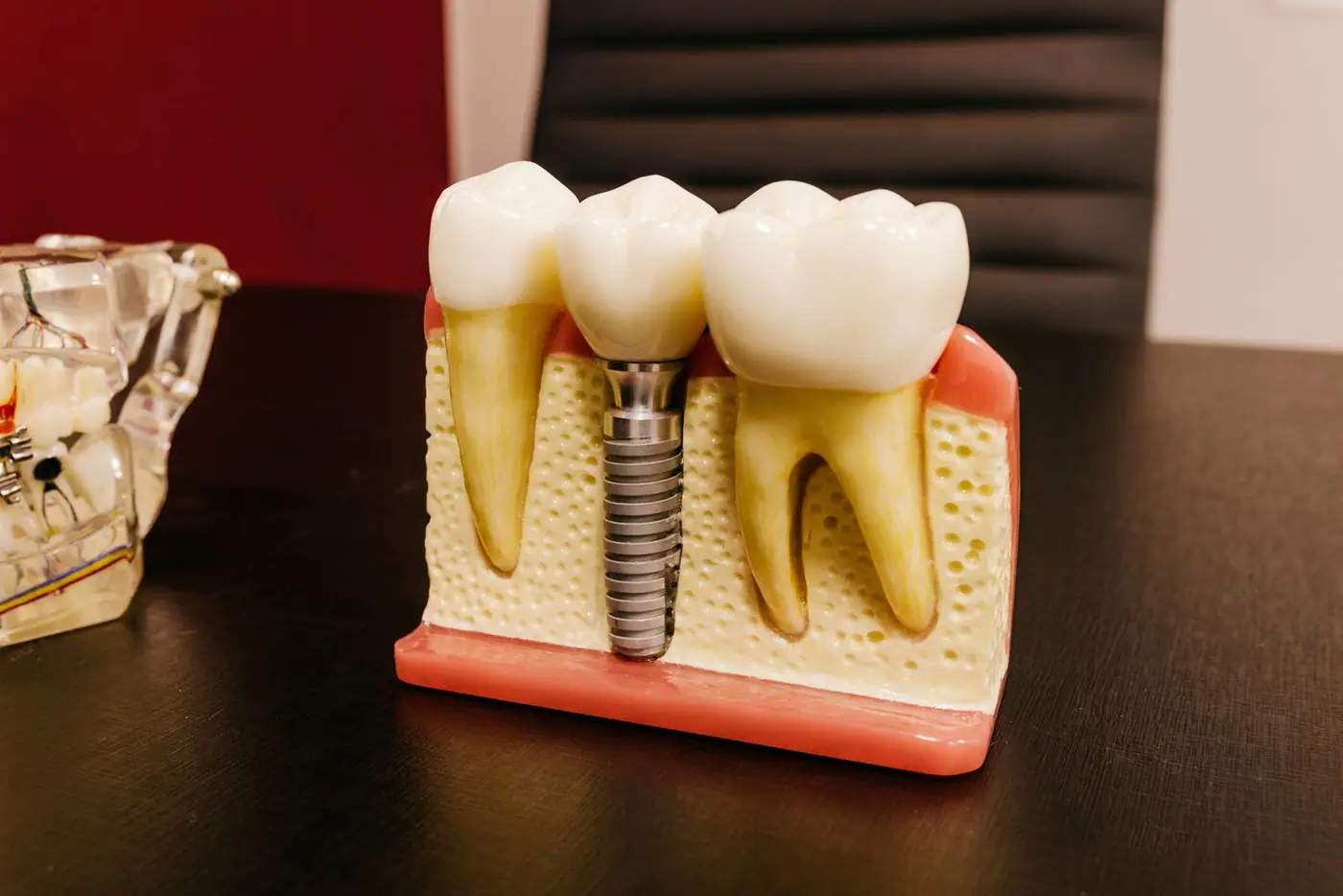
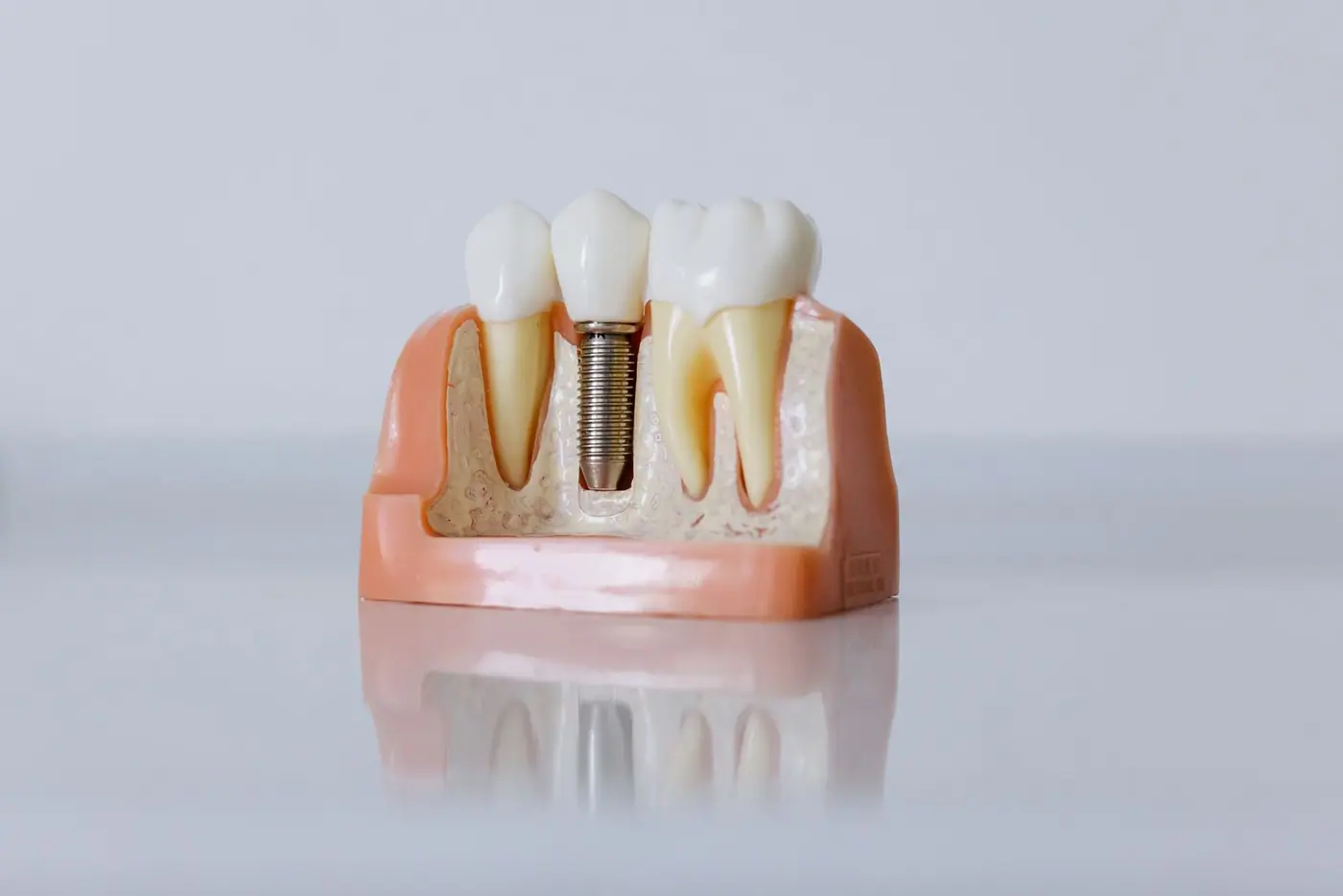
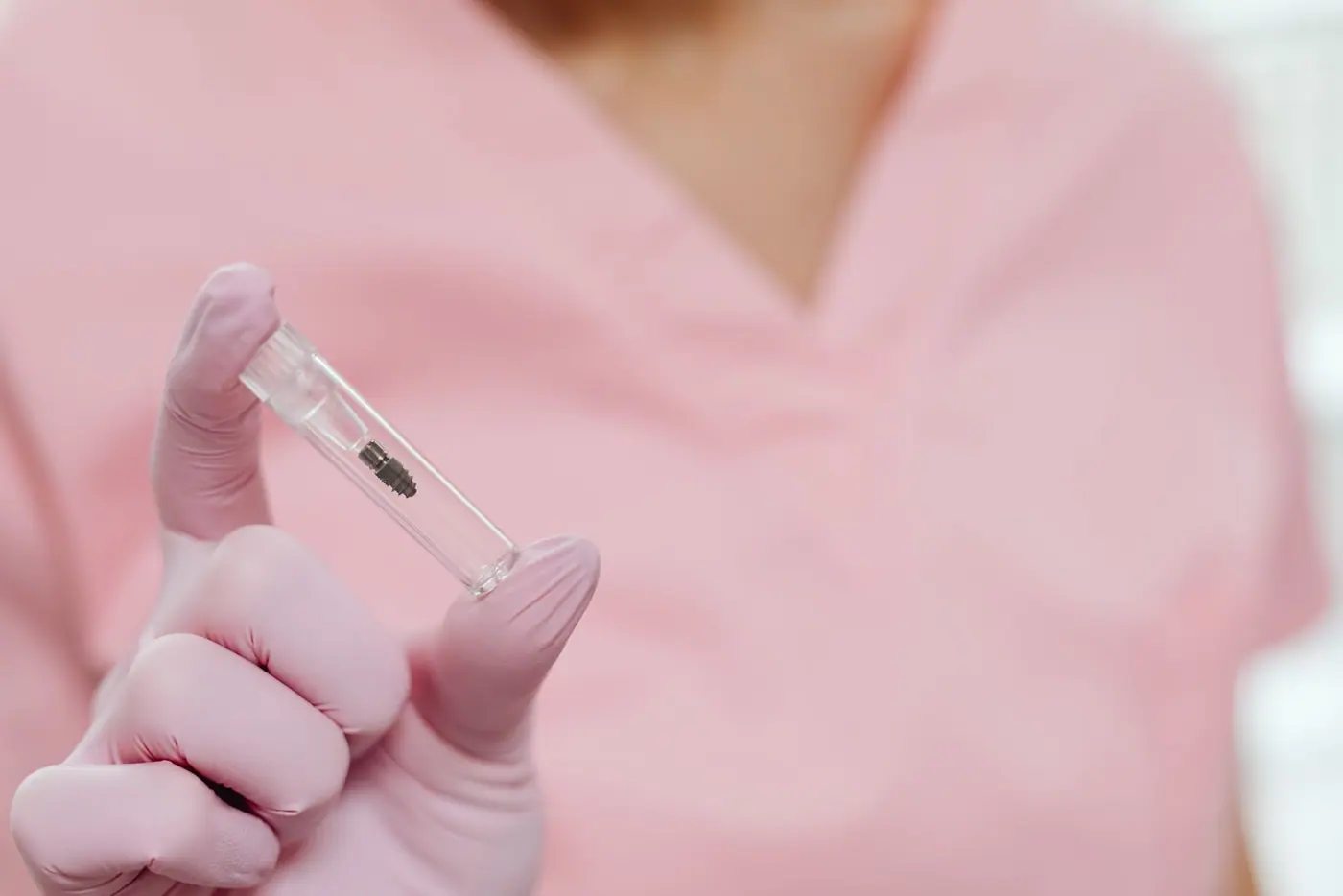
Zirconium implants are made from zirconia (zirconium dioxide), a high-strength ceramic. They are white, contain no metal and are known for being very well tolerated by the gums and surrounding tissues. Zirconia has been used in dentistry for many years for crowns and bridges, and implants made from it have become an established option alongside titanium.
Zirconia and Titanium: A Neutral Comparison
Both materials are biocompatible and both can integrate firmly with the jawbone. They simply have different strengths.
Titanium Implants
- The standard material for most implant treatments, with the longest clinical experience and research behind it.
- Very strong and slightly flexible, so it tolerates high chewing forces well.
- Available in many shapes, sizes and two-piece designs, which gives great flexibility for complex cases, angled implants and full-arch restorations.
- Covered by the gum and a tooth-coloured crown, so it is not visible in the vast majority of cases.
Zirconia Implants
- Metal-free and white, which can be an aesthetic advantage where the gum is very thin or the front teeth are highly visible.
- Very gentle on soft tissue, with a smooth surface on which plaque adheres less easily.
- An option for patients with a confirmed sensitivity to metals or a strong personal preference for a metal-free solution.
- Fewer design variations, and often made as one piece, which can limit flexibility in certain situations.
For most patients, titanium remains the first choice. Zirconia is a well-founded alternative in specific cases, and your dentist will recommend the material that fits your bone, bite, aesthetic needs and medical history.
Who May Benefit From a Zirconium Implant?
Like any implant, a zirconium implant requires good general health, healthy gums and sufficient jawbone. It may be particularly worth discussing if you:
- have a confirmed allergy or sensitivity to metals, or prefer a metal-free solution
- need to replace a front tooth and have thin gums, where a grey shimmer could otherwise be a concern
- tend to have sensitive or easily inflamed gums
- do not grind or clench your teeth heavily, or are willing to wear a night guard if you do
Before treatment, a thorough examination with X-rays and usually 3D imaging is carried out to assess the bone and decide on the best approach.
How Is a Zirconium Implant Placed?
The process is very similar to that for a titanium implant.
- Examination and planning: Your dentist assesses your mouth and bone using panoramic X-rays or 3D imaging, and plans the implant position digitally.
- Implant placement: Under local anaesthesia, a small opening is prepared in the jawbone and the implant is placed. For a single implant, this usually takes around 30 to 60 minutes.
- Healing (osseointegration): Over roughly three to six months, the bone grows onto the implant surface. Healing time varies from person to person, and during this phase the implant should be protected from heavy pressure.
- Final crown: Once the implant has healed, a custom-made crown, usually also of zirconia, is fitted.
Advantages of Zirconium Implants
- Metal-free: A suitable option for patients with metal sensitivities or a preference for ceramic materials.
- Tooth-coloured: No risk of a dark shimmer through thin gums, which can help in the aesthetic zone.
- Tissue-friendly: Gums usually respond very well to zirconia.
- Low plaque adhesion: The smooth ceramic surface makes it harder for bacteria to settle.
- Good bone integration: Modern zirconia implants integrate reliably with the jawbone when placed in suitable cases.
- Corrosion-free: As a ceramic, zirconia does not corrode.
Limitations to Consider
- Fewer design options: Zirconia implants come in fewer shapes and sizes, and one-piece designs leave less room for adjusting angles.
- Not the first choice for every case: For full-arch restorations, complex surgery or situations with very limited bone, titanium implants are often preferred.
- Sensitivity to excessive force: See the next section.
Understanding Fracture Risk Under Excessive Force
Zirconia is extremely hard and strong under normal chewing pressure, so a zirconium implant is not fragile in everyday use. The important difference is how the materials react to extreme or unusual loads. Titanium is a metal and can bend very slightly before it fails. Zirconia is a ceramic: it is stiff and does not bend, so if a force is high enough, especially a sudden or sideways force, it is more likely to crack than to deform.
In practice, the situations that can overload an implant include:
- Bruxism (grinding or clenching), often at night and without the person noticing, which places repeated, strong sideways forces on teeth and implants
- Trauma, such as a fall, an accident or a blow to the face during sport
- Biting very hard objects, such as ice cubes, nut shells, bones, pens or bottle caps
- Early overloading during the healing phase, before the bone has fully integrated the implant
To reduce these risks:
- Tell your dentist if you know or suspect that you grind or clench your teeth; signs include worn teeth, jaw pain or morning headaches.
- Wear a custom night guard if one is recommended. It absorbs and spreads grinding forces and protects both the implant and the crown.
- Wear a sports mouthguard for contact sports.
- Avoid using your teeth as tools and avoid chewing very hard objects.
- Follow the soft-food instructions during healing and attend your check-ups so your bite can be adjusted if needed.
With careful case selection and these precautions, zirconium implants can perform well over the long term. If heavy grinding cannot be controlled, your dentist may recommend titanium instead.
Aftercare
- Do not eat until the anaesthesia has worn off, to avoid biting your cheek or tongue.
- Eat soft foods for the first days and chew on the other side where possible; avoid very hot or very cold food and drinks while the area is sensitive.
- Take any prescribed medication as directed.
- Brush gently around the area with a soft toothbrush, and clean between the teeth as instructed.
- Avoid smoking and alcohol during the healing phase.
- Attend regular check-ups, usually every six months, for professional cleaning and monitoring.
Why LHC Dental
At LHC Dental, the choice of implant material is part of a careful, individual plan rather than a one-size-fits-all decision. Your dentist reviews your X-rays and 3D scans, your bite and your medical history, explains the advantages and limitations of titanium and zirconia openly, and recommends the option that suits your situation. Every step, the expected healing time and the aftercare are explained in advance.
Frequently Asked Questions
Are zirconium implants better than titanium implants?
Neither is better in general. Titanium remains the standard for most implant treatments because of its long track record and flexibility. Zirconia is a well-established alternative, particularly for patients with metal sensitivities or high aesthetic demands in the front teeth. Your dentist will recommend the material that fits your case.
Can a zirconium implant break?
Under normal chewing forces, fractures are uncommon. Zirconia is a ceramic and does not bend, so very high or sudden forces, for example from heavy teeth grinding, trauma or biting very hard objects, carry a higher risk of cracking than with titanium. A night guard and careful habits help reduce this risk.
Do I need a night guard with zirconium implants?
If you grind or clench your teeth, a custom night guard is usually recommended to protect the implant and crown. Your dentist will check for signs of grinding during your examination.
Is titanium safe if I am worried about metal?
Titanium is highly biocompatible and true titanium allergies are rare. If you have a known metal allergy or concerns, discuss them with your dentist; further testing or a zirconium implant may be considered.
How long does a zirconium implant take to heal?
Healing usually takes around three to six months, depending on your bone quality, the implant site and your general health. Your dentist will confirm when the implant is ready for the final crown.
This page is for general information and does not replace a personal examination. Whether a treatment is suitable for you can only be assessed after an examination and consultation.