All-on-6 Dental Implants
 Dr. med. dent. Hasan Coşkun · Co-founder of LHC Clinic
7 min read · Deutsch
Losing all of your teeth, or living with teeth that can no longer be saved, affects how you eat, speak and feel when you smile. The All-on-6 concept replaces a full arch of teeth with a fixed bridge supported by six implants, giving you teeth that stay in place and feel much closer to your own than a removable denture.
What Is All-on-6?
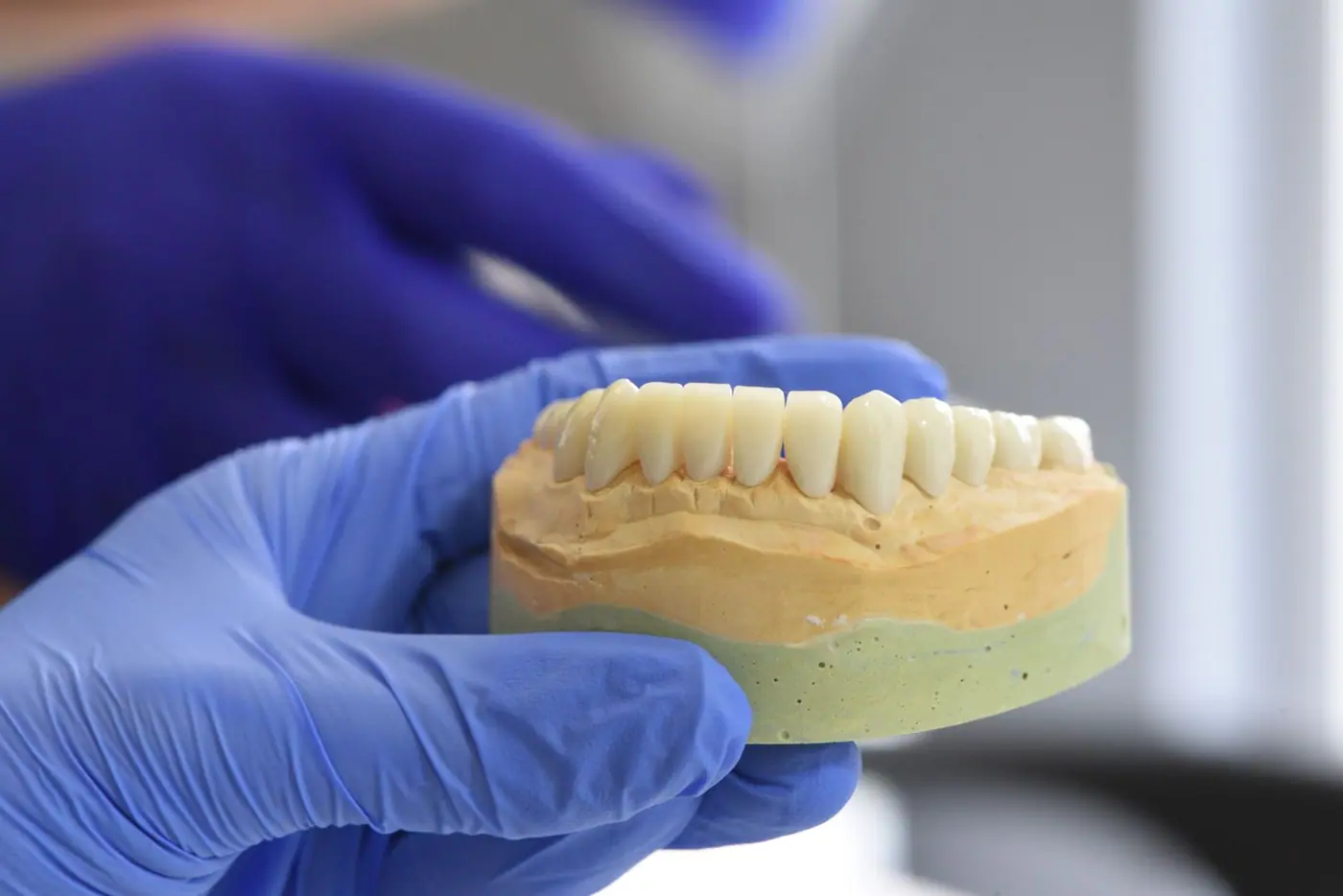
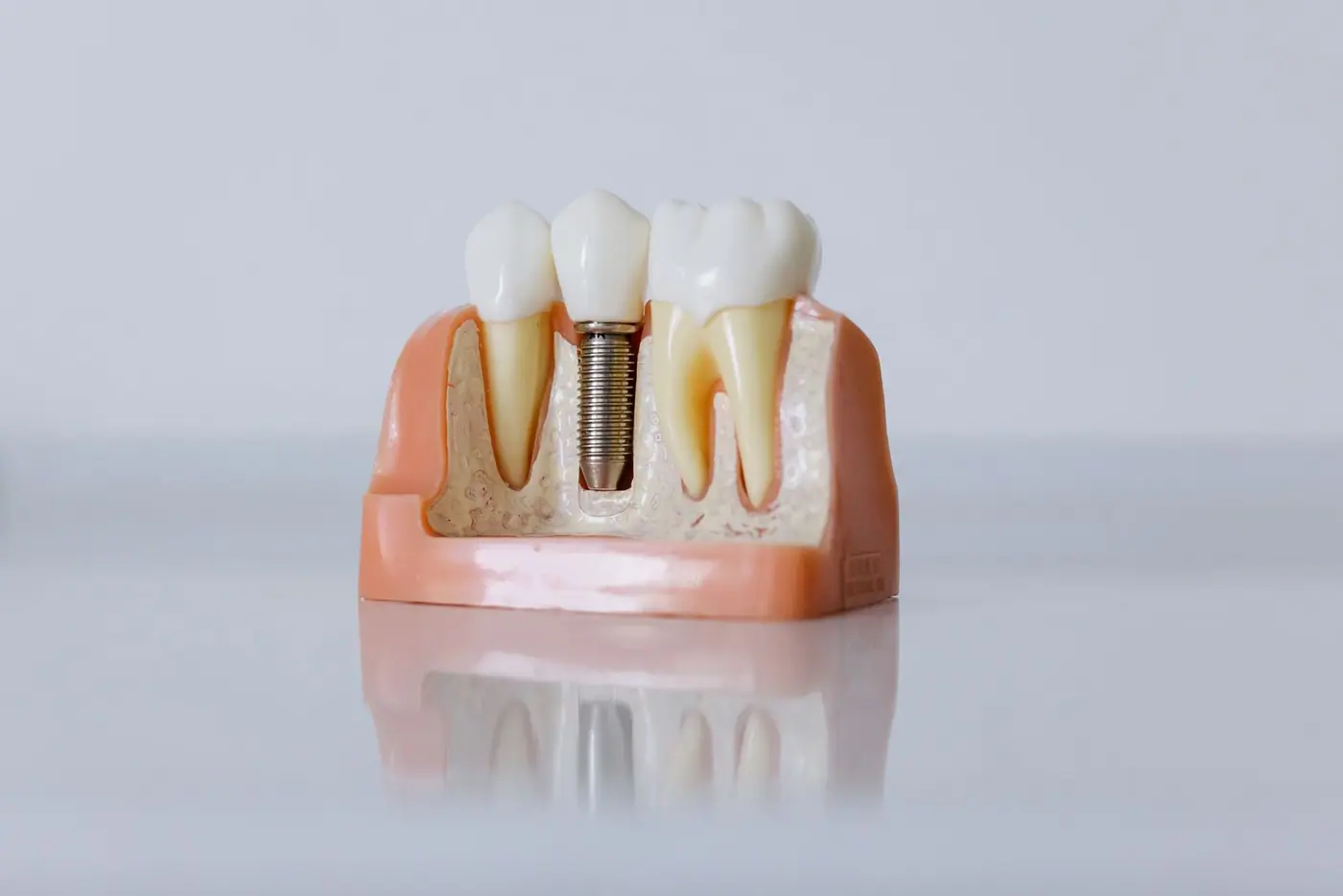
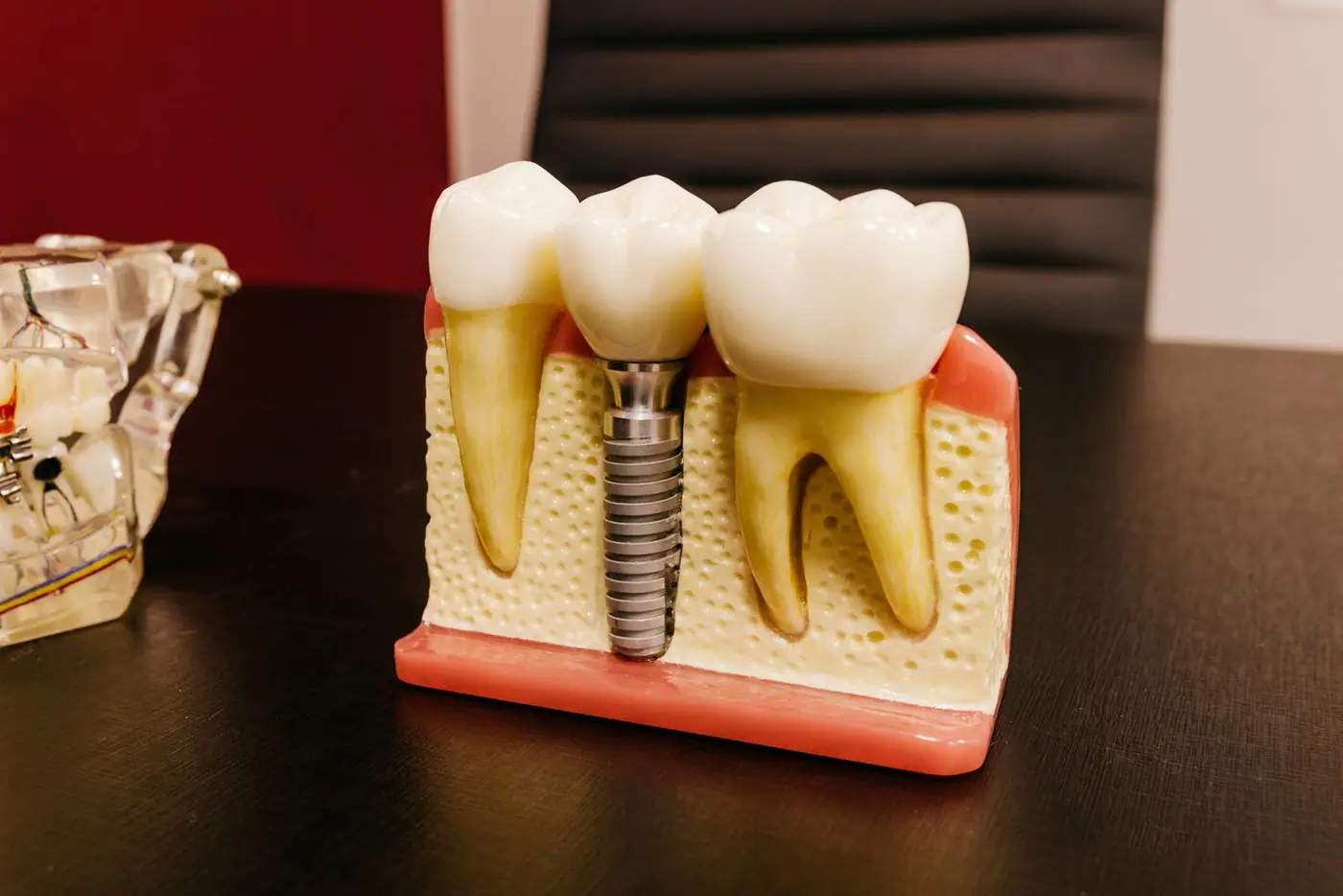
All-on-6 is a full-arch implant treatment for the upper or lower jaw. Six dental implants are placed in the jawbone and act as artificial roots. A fixed bridge of twelve to fourteen teeth is then attached to these implants with screws, so it does not move and is not taken out at home. Only your dentist can remove it, for example during a professional check-up and cleaning.
The treatment builds on the same principle as All-on-4, but uses two additional implants. Spreading the chewing forces across six supports instead of four can add stability and gives the dentist more flexibility in planning, especially in patients with a larger jaw or good bone volume across the whole arch.
The Main Components
- Six implants: Usually made of titanium, they are positioned according to your bone volume, bone quality and bite. The exact positions and angles are planned individually for your jaw, so that the implants can carry the chewing load safely.
- Connecting parts (abutments): These link the implants to the bridge and allow the prosthesis to be fixed precisely.
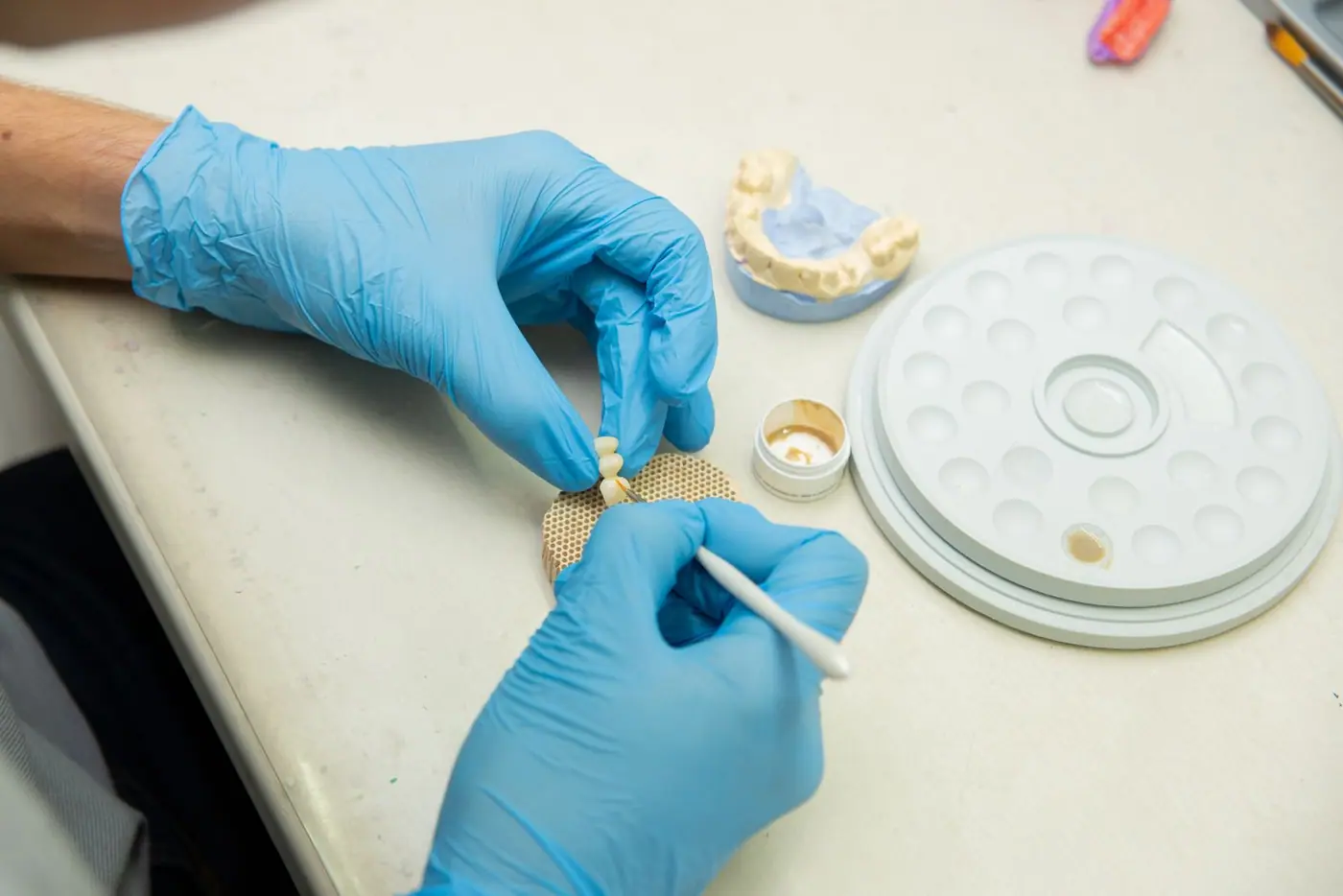
- The full-arch bridge: A custom-made set of teeth, designed to suit your face, lip line and bite. Depending on your situation, it may be made of materials such as zirconia, acrylic on a reinforced framework, or a combination.
Who Is a Suitable Candidate?
All-on-6 is designed for people who have lost all the teeth in one jaw, or whose remaining teeth need to be removed because of advanced decay, gum disease or failed earlier restorations. It is also a common option for people who are unhappy with a loose or uncomfortable denture.
Your dentist will usually consider the following:
- Bone volume: There needs to be enough bone in the right places to hold six implants. If bone is limited, a different concept such as All-on-4, or additional procedures such as bone grafting, may be discussed.
- General health: Conditions such as diabetes or high blood pressure do not automatically rule out treatment, but they should be well controlled, as they can affect healing.
- Smoking: Smoking slows healing and increases the risk of implant problems. Stopping, or at least significantly reducing, before and after surgery is strongly recommended.
- Gum health and hygiene: Any active infection is treated first, and you should be ready to clean your new teeth carefully every day.
- Medications: Some medicines, for example certain bone or blood-thinning medications, need to be discussed in advance.
A thorough examination with a panoramic X-ray and 3D imaging (CBCT) shows your bone in detail and helps decide whether All-on-6 is the right option for you.
How Is the Treatment Performed?
All-on-6 is usually carried out in several stages over a few months. At LHC Dental in Istanbul, each step is explained to you in advance so you know what to expect.
- Examination and digital planning: Your dentist reviews your medical history, examines your mouth and takes X-rays and 3D scans. Implant positions and the design of your future teeth are planned digitally.
- Preparation: If any teeth remain that cannot be saved, they are removed, often in the same session as implant placement. Infections are treated before or during surgery.
- Implant placement: Under local anaesthesia, and sedation if appropriate, the six implants are placed in the planned positions. The procedure for one jaw usually takes a few hours, depending on the number of extractions and your anatomy.
- Temporary teeth: In many cases, if the implants are stable enough and bone conditions allow, a fixed temporary bridge can be attached within a short time after surgery. If this is not possible, your dentist will discuss an alternative temporary solution with you.
- Healing phase: Over roughly three to six months, the implants fuse with the bone (osseointegration). The exact time varies from person to person and depends on bone quality and general health.
- Final bridge: Once healing is confirmed, precise impressions or scans are taken and your permanent bridge is made, tried in and fixed in place. Your bite is checked and adjusted carefully.
Advantages of All-on-6
- Fixed, stable teeth: The bridge is screwed onto the implants, so there is no slipping, rocking or adhesive as with a removable denture.
- Load spread over six supports: Distributing chewing forces across six implants can reduce the strain on each individual implant and adds a margin of safety if one implant ever needs attention.
- Better chewing: Most patients find they can eat a much wider range of foods than with a conventional denture, once healing is complete.
- No palate coverage: An upper All-on-6 bridge usually does not cover the roof of your mouth, which helps with taste, temperature perception and comfort.
- Clearer speech: Because the teeth do not move, many people find speaking easier and more natural.
- Support for the jawbone: Implants transfer chewing forces into the bone, which helps slow the bone loss that usually follows tooth loss.
- Facial support: A well-designed bridge supports the lips and cheeks, which can help avoid the sunken look sometimes seen after losing all teeth.
- Natural appearance: Shape, shade and tooth length are planned to suit your face.
- Long-term solution: With good daily care and regular check-ups, implants and full-arch bridges can serve you for many years.
- Often fewer additional procedures: Careful planning can make use of existing bone and may reduce the need for bone grafting or sinus lifts in some patients, though this depends on your anatomy.

Aftercare: The First Weeks and Beyond
How you care for your mouth after surgery has a direct influence on healing. Your dentist will give you personal instructions; the following points apply to most patients.
Right After Surgery
- Wait until the anaesthesia has worn off before eating or drinking anything hot. While your mouth is numb, you can easily bite your cheek, lip or tongue, or burn yourself without noticing.
- Take your medication as prescribed. This may include painkillers, antibiotics and an antiseptic mouth rinse. Finish antibiotics even if you feel well.
- Use cold compresses on the outside of your face during the first day to reduce swelling.
- Rest and keep your head slightly raised when lying down for the first nights.
Eating and Drinking
- Stick to a soft diet for the first weeks, such as soups (not hot), yoghurt, mashed vegetables, eggs and soft fish, so the implants are not overloaded while they heal.
- Avoid very hot and spicy foods, which can irritate the healing gums.
- Avoid hard, crunchy or sticky foods, such as nuts, hard bread crusts or chewing gum, until your dentist allows them.
- Avoid alcohol during the healing phase, especially while you are taking medication, as it can slow healing and interact with medicines.
- Do not use a straw for the first days, as suction can disturb the wound.
Hygiene and Habits
- Clean gently but thoroughly, following the instructions you receive. Special brushes, interdental brushes or a water flosser help clean under the bridge.
- Do not smoke during healing, and ideally not afterwards either, as smoking is one of the main risk factors for implant problems.
- If you grind or clench your teeth, a night guard may be recommended to protect the bridge.
- Attend all follow-up appointments and, after treatment, regular professional cleaning and check-ups.
Contact your dentist if you notice increasing pain, swelling after the first few days, bleeding that does not stop or a loose part of the bridge.
Frequently Asked Questions
What is the difference between All-on-4 and All-on-6?
Both replace a full arch of teeth with a fixed bridge on implants. All-on-6 uses six implants instead of four, which spreads the chewing load across more supports. Which option suits you depends mainly on your bone volume, jaw size and bite, and your dentist will recommend one after examining your 3D scans.
Is the procedure painful?
The surgery is performed under local anaesthesia, and sedation can be used if appropriate, so you should not feel pain during the procedure. Afterwards, swelling and discomfort are common for a few days and are usually well controlled with the prescribed painkillers.
Will I leave with teeth on the same day?
In many cases a fixed temporary bridge can be attached shortly after surgery, if the implants are stable enough and bone conditions allow. Whether this is possible for you is decided during planning and confirmed during surgery.
How long does the whole treatment take?
From implant placement to the final bridge, it usually takes around three to six months. The healing time varies from person to person, and additional procedures such as bone grafting can extend it.
How do I clean an All-on-6 bridge?
You brush the bridge like natural teeth and clean underneath it with interdental brushes, special floss or a water flosser. Your dentist will show you the right technique. Regular professional cleaning, during which the bridge can be removed if needed, is also important.
Can I have All-on-6 if I have been told I have little bone?
Possibly. If bone volume is limited, your dentist may suggest bone grafting, a sinus lift or a different implant concept such as All-on-4. A 3D scan is needed to assess this properly.
This page is for general information and does not replace a personal examination. Whether a treatment is suitable for you can only be assessed after an examination and consultation.