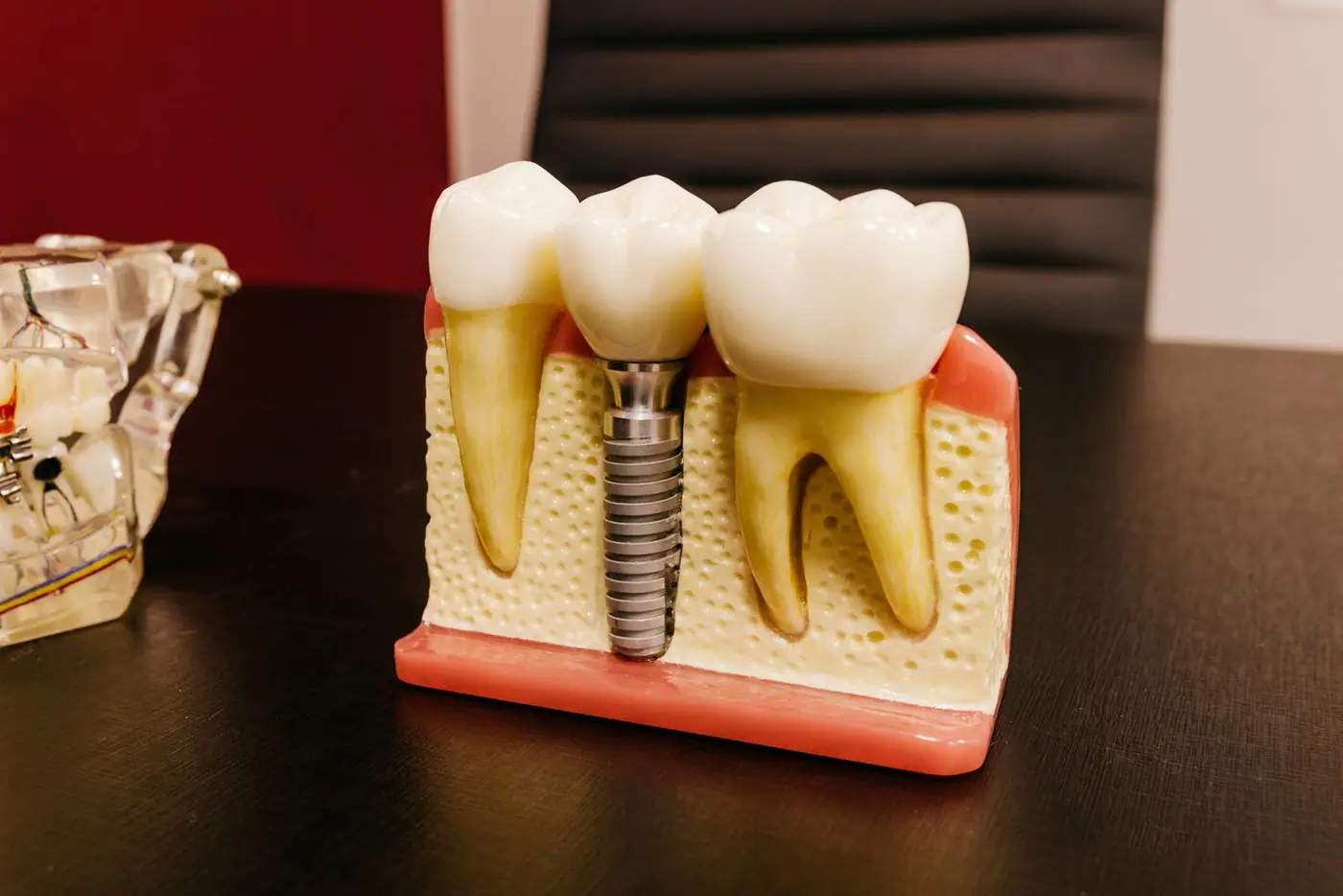
Ceramic or titanium implants? What the research on zirconia really shows
 By Dr. med. dent. Hasan Coşkun · Dentist, 20 years of practice in Germany
8 October 2026 · 5 min read
Many patients ask about a “metal-free” ceramic implant. Zirconia implants are a genuine option – but the evidence differs considerably from titanium. Here is what current research says.
Titanium: the long-standing standard
Titanium has been used for dental implants for decades. Most long-term studies over 10 and 20 years concern titanium implants – see How long does a dental implant last?.
Ceramic implants: what the data show
A meta-analysis by Roehling et al. (2018) of 18 studies found survival rates for zirconia implants of 98.3% after one year and 97.2% after two years. Bone loss in the first year was 0.7 mm.
A review for the ITI Consensus Conference (Roehling et al., 2023) of 6 studies and 277 implants found 5-year survival of 97.2%, no implant fractures and peri-implantitis in 0.4%. The authors describe zirconia implants as reliable for up to five years.
One-piece or two-piece?
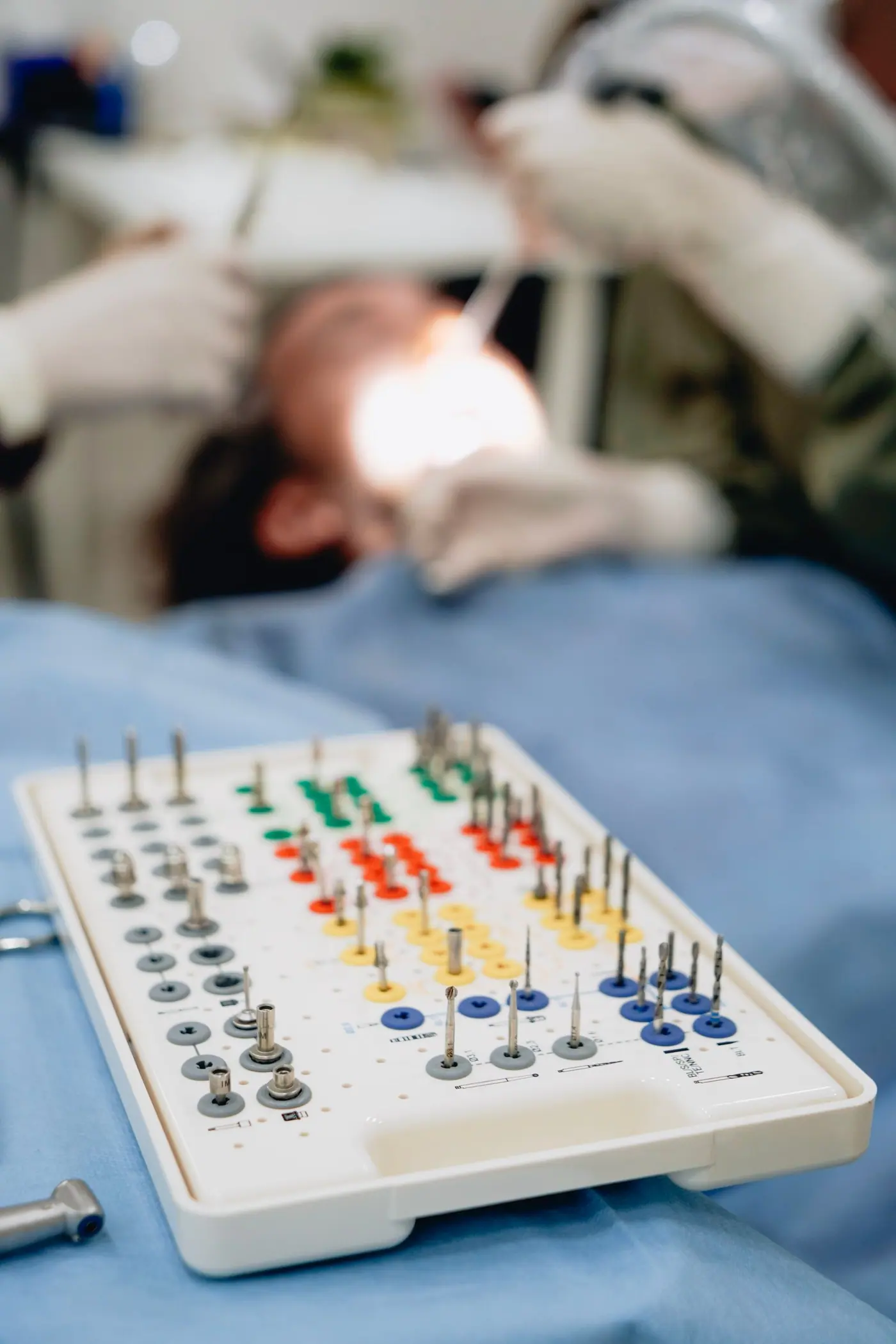
Ceramic implants come as one-piece designs (implant and abutment in one) and two-piece systems. In the 2023 analysis, five of six studies concerned one-piece implants. The only study of a two-piece system showed 93.8% survival and most of the technical complications, such as abutment fractures. A statistical comparison of the two designs was not possible.
For planning this means that one-piece implants leave less flexibility in angle and position, which influences the choice of system in each case.
Titanium allergy: how common is it?
Allergy to titanium is a frequently cited reason for choosing ceramic. In a clinical study of 1,500 consecutive implant patients (Sicilia et al., 2008), titanium allergy was found in 9 people – a prevalence of 0.6%. Testing is suggested there only for patients who show allergy-type reactions after treatment.

Who might ceramic be suitable for?
- people with a proven intolerance to titanium
- very thin gum tissue in the visible front area, where a grey shimmer could be a concern – an aesthetic judgement made case by case
- patients who explicitly want a metal-free restoration, after being informed about the shorter evidence base
For most situations – especially multiple implants, bone grafting or fixed bridges – titanium remains the best-documented choice thanks to its long track record. Which material suits you belongs in a personal consultation.

Dr. Coşkun studied dentistry at Charité – Universitätsmedizin Berlin (graduated 2000) and worked as a dentist in Germany for around 20 years. He has placed more than 10,000 implants and now practises in Istanbul with a focus on implant dentistry.
Frequently asked questions
Are ceramic implants “healthier” than titanium?
There is no robust evidence for that. Titanium is considered very well tolerated; allergy is rare (0.6% in one study). Ceramic is an alternative, but with a shorter evidence base.
Do ceramic implants last as long?
Available data mainly extend to five years and show good survival there (97.2%). Comparable 10- or 20-year studies like those for titanium are lacking.
Should I be tested for titanium allergy beforehand?
Routine testing is not recommended in the literature – only when allergy is suspected, for example after allergy-type reactions. Mention any known allergies in your consultation.
Sources
The figures in this article come from the following studies and guidelines (research status: 8 October 2026):
- Roehling S et al. (2018): Performance and outcome of zirconia dental implants in clinical studies: A meta-analysis. Clin Oral Implants Res. PMID 30328200
- Roehling S et al. (2023): Clinical and radiographic outcomes of zirconia dental implants: A systematic review and meta-analysis. Clin Oral Implants Res 34 Suppl 26:112–124. DOI 10.1111/clr.14133
- Sicilia A et al. (2008): Titanium allergy in dental implant patients: a clinical study on 1500 consecutive patients. Clin Oral Implants Res. PMID 18705814
Diesen Artikel auf Deutsch lesen →
This article is for general information and does not replace a personal examination. Whether and which treatment is suitable for you can only be assessed after examination and a consultation.
You might also be interested in
 Treatment
Peri-implantitis: how to spot inflammation around an implant early – and prevent it
Inflammation of the surrounding tissue is the most common late complication of implants. What studies say about frequency and risk – and what you can do yourself.
 Treatment
How long does a dental implant last? What 10- and 20-year studies show
“Will an implant last a lifetime?” Long-term studies give the honest answer. We explain the figures – and why survival is not the same as success.
 Planning & aftercare
Caring for dental implants: daily cleaning and professional maintenance
Implants don’t need special care – but they need consistent care. What the EFP guideline recommends for daily cleaning and regular maintenance.