Bone Grafting & Sinus Lift
 Dr. med. dent. Hasan Coşkun · Co-founder of LHC Clinic
4 min read · Deutsch
An implant needs enough bone to be anchored securely. After tooth loss, infection or years of wearing a denture, the jawbone has often shrunk. Bone grafting – or, in the upper back jaw, a sinus lift – can restore the missing bone volume in many cases. At Dr. Coşkun's practice, a 3D scan is used to plan whether a procedure is needed and which one.
Why Is Jawbone Lost?
The jawbone is kept in shape by the load transmitted through the tooth roots during chewing. When a tooth is missing, this stimulus disappears and the bone gradually recedes – especially in the first months after an extraction. Other causes include gum disease, infections at the root tip, accidents and long-term denture wear.
In the upper back jaw, the maxillary sinus often expands after tooth loss. This can leave only a thin layer of bone between the mouth and the sinus.
How Do We Know Whether Grafting Is Needed?
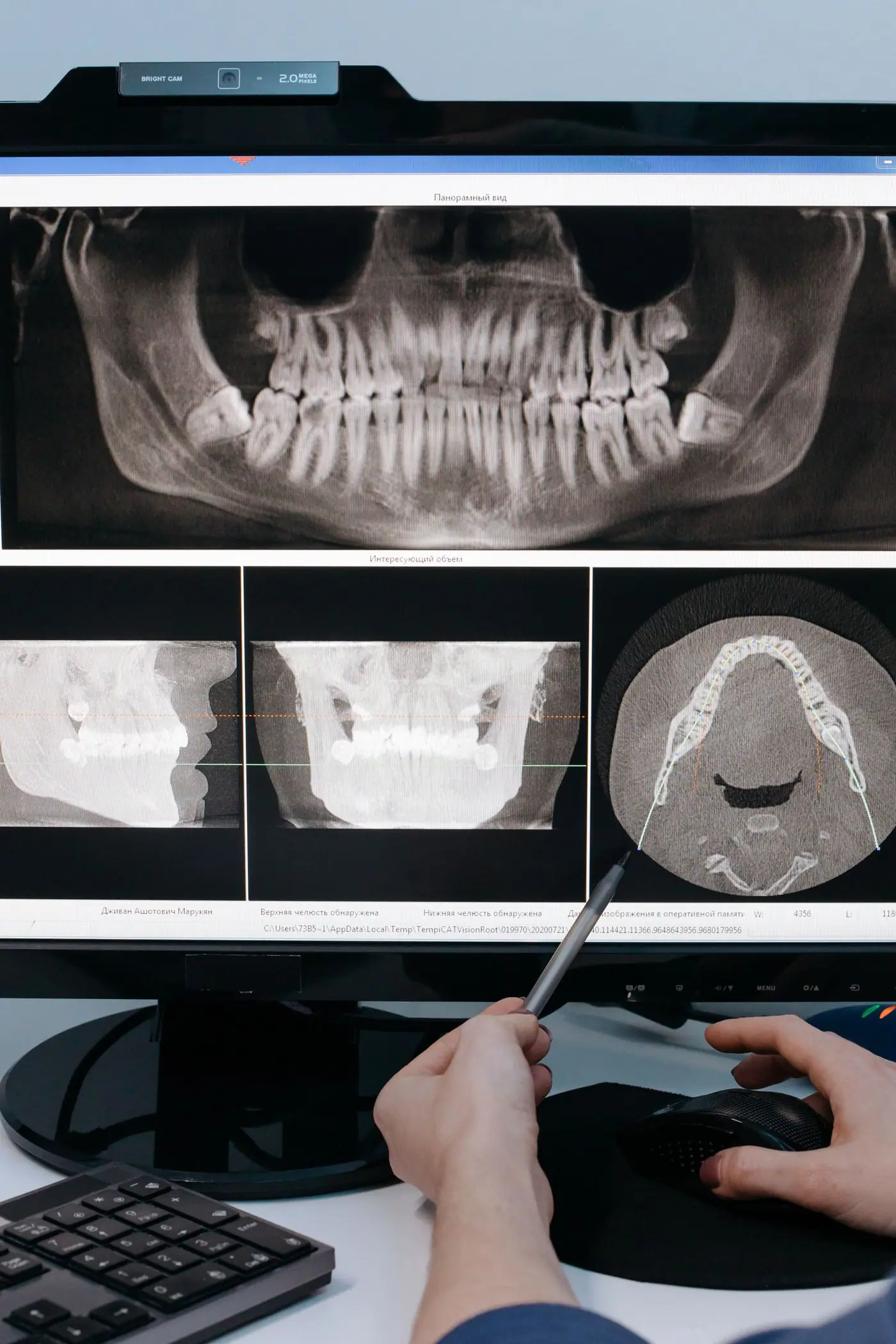
A panoramic X-ray provides a first overview. For precise planning, a 3D scan (CBCT) is usually taken. It shows the height and width of the bone, the position of nerves and the sinus. On this basis, Dr. Coşkun decides whether an implant is possible without grafting, whether grafting can be done at the same time or whether a separate grafting step is needed first.
Procedures at a Glance
- Grafting during implant placement: Smaller defects are filled with bone substitute material and covered with a membrane while the implant is placed (guided bone regeneration, GBR).
- Socket preservation: After an extraction, the socket is filled with bone substitute material to limit bone loss.
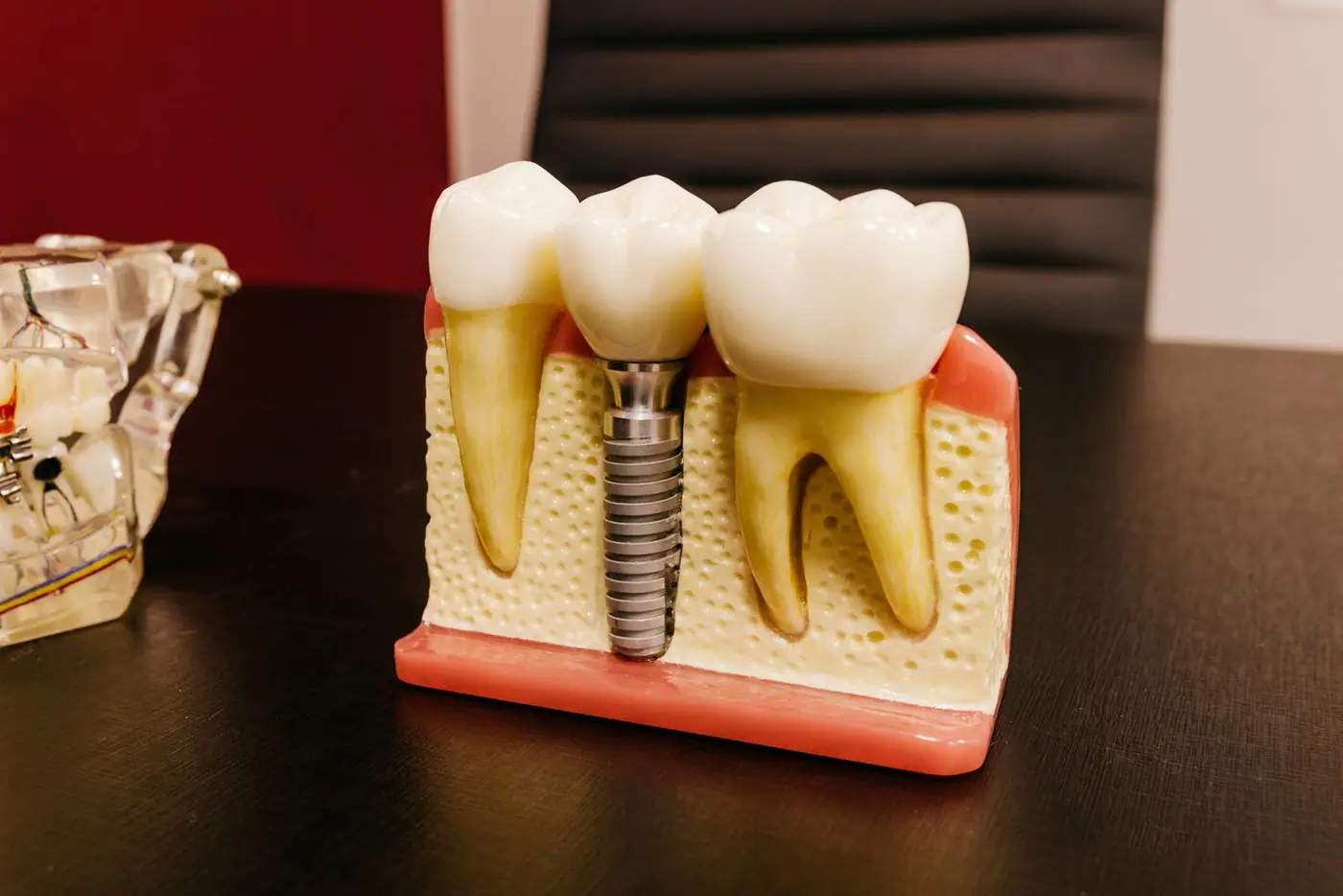
- Internal (crestal) sinus lift: With moderately reduced bone height, the sinus floor is gently raised through the implant site and supported with graft material. The implant is usually placed in the same session.
- External (lateral) sinus lift: With severely reduced bone height, the sinus membrane is lifted through a small window in the side of the bone and the space beneath is filled with graft material. Depending on the remaining bone, the implant is placed at the same time or after a healing period.
- Block grafting: For larger defects, a block of bone can be used. This usually requires its own healing phase before the implant is placed.
Depending on the situation, your own bone, bone substitute materials or a combination are used. The option that suits you is explained in advance.
Procedure and Timeline
- Diagnosis: Examination and 3D scan, digital planning of the graft and implant position.
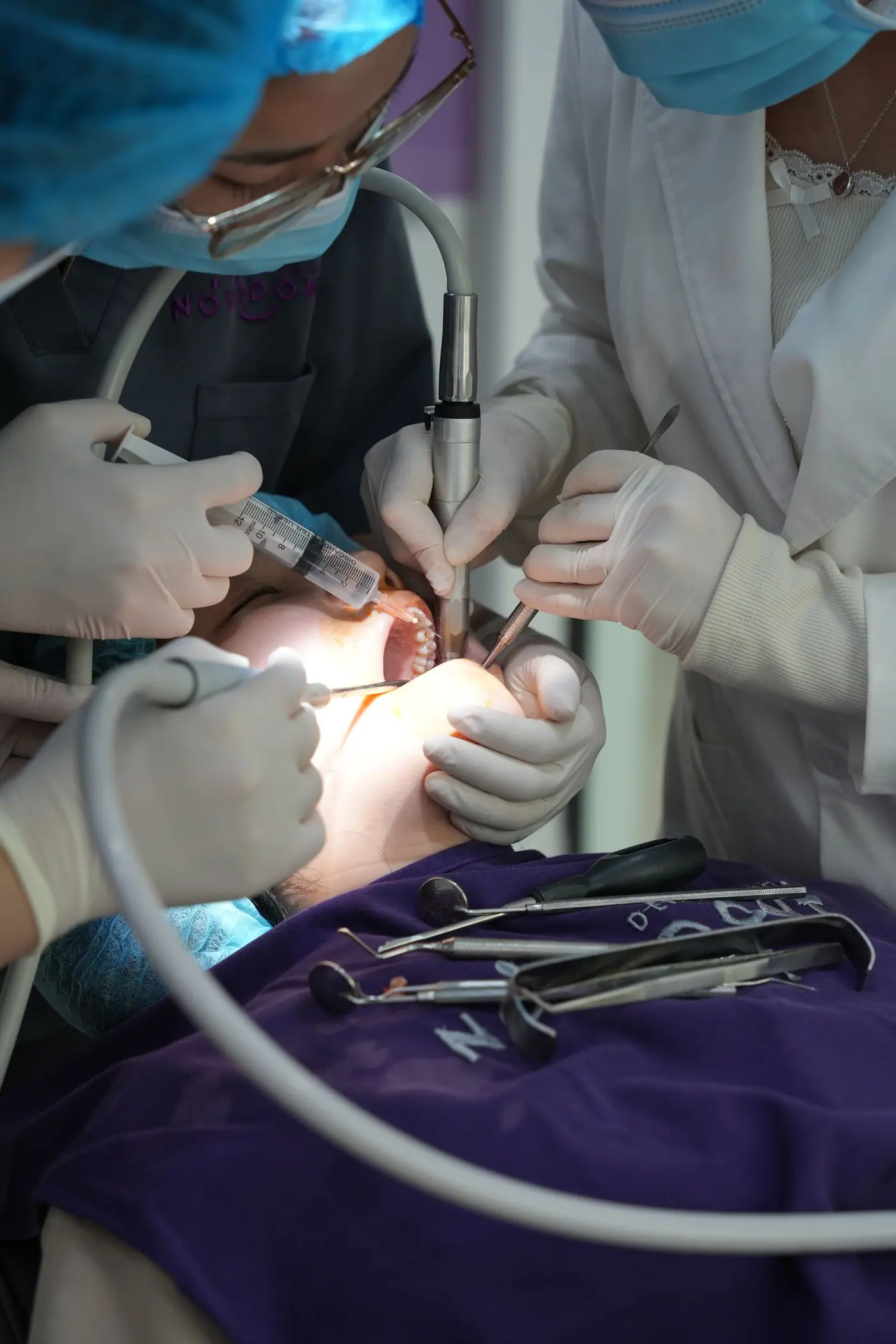
- Procedure: Under local anaesthesia, the bone is built up – depending on the method, at the same time as implant placement or as a separate step.
- Healing: Grafted bone needs time. Depending on the method and extent, healing usually takes around 4 to 9 months.
- Implant placement or uncovering: In a staged approach, the implant is now placed; otherwise the healed implant is uncovered.
- Restoration: Finally, the crown or bridge is made.
For patients from abroad, grafting often extends the overall timeline. When grafting is done at the same time, two trips are often still enough; a separate grafting step may require an additional trip. We discuss this openly at the planning stage.
Risks and What You Should Know
Swelling and bruising are common in the first days after bone grafting. During a sinus lift, the sinus membrane can tear; small tears can usually be repaired during the procedure. Less commonly, infection, sinusitis or insufficient integration of the graft can occur. Smoking increases these risks considerably. A particular outcome cannot be guaranteed.
After a Sinus Lift
- Do not blow your nose or exhale forcefully through it for as long as your dentist advises – usually about two weeks.
- Sneeze with your mouth open if possible, to avoid pressure in the sinus.
- Avoid sport, sauna and diving for the first days to weeks.
- Use prescribed medication such as decongestant nasal drops or antibiotics as discussed.
- Flying: the return flight is usually advisable only after a check-up; we set the right interval individually.
A Stable Foundation for Your Implant
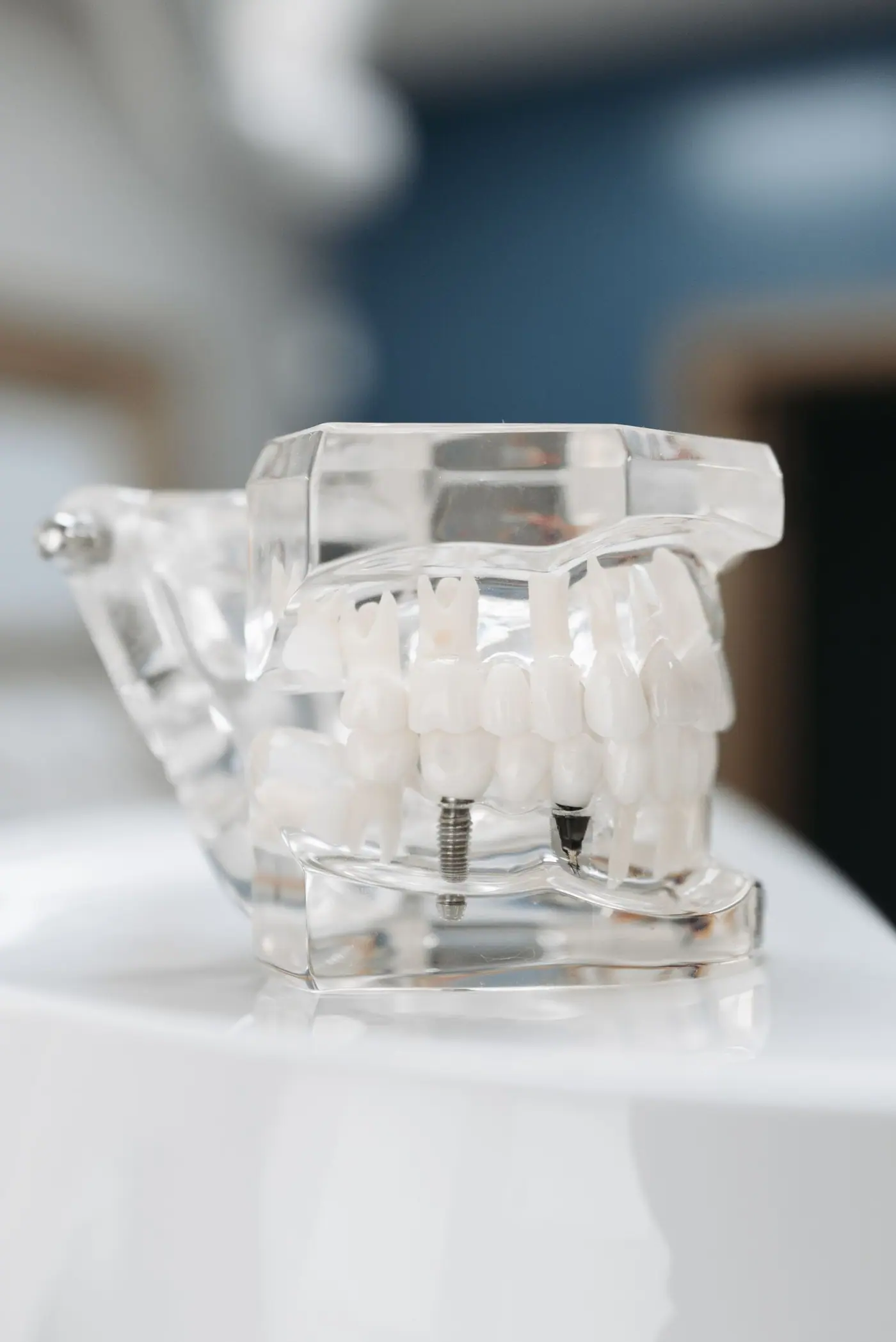
A lack of bone does not automatically mean an implant is impossible. Send us a recent X-ray or 3D scan: Dr. Coşkun will assess whether grafting is needed, which procedure is suitable and how it affects your timeline.
Frequently Asked Questions
Does every implant need bone grafting?
No. If there is enough bone, the implant can be placed without grafting. Whether grafting is needed, and how much, only becomes clear from the 3D scan.
What is the difference between an internal and an external sinus lift?
In an internal sinus lift, the sinus floor is raised through the implant site – suitable for moderate bone loss. In an external sinus lift, access is through a small window in the side of the jaw; it is used for more severe bone loss.
How long does healing take after bone grafting?
Depending on the method and extent, usually around 4 to 9 months. For smaller grafts done at the same time as implant placement, the period is often shorter.
Is a sinus lift painful?
The procedure is carried out under local anaesthesia. Afterwards, swelling and a feeling of pressure are common for a few days; they can usually be managed well with standard painkillers.
When can I fly after a sinus lift?
Because of the pressure changes in the cabin, the return flight should only take place after a check-up and in consultation with your dentist. We set the interval individually depending on the procedure.
Medically reviewed by Dr. med. dent. Hasan Coşkun · Last updated: October 2026
This page is for general information and does not replace a personal examination. Whether a treatment is suitable for you can only be assessed after an examination and consultation.