Single Tooth Replacement
 Dr. med. dent. Hasan Coşkun · Co-founder of LHC Clinic
5 min read · Deutsch
A single missing tooth may seem like a small gap, but over time it can affect your bite, your neighbouring teeth and the bone underneath. A single tooth implant replaces both the visible crown and the root, giving you a stable, natural-looking tooth that stands on its own. At LHC Dental in Istanbul, each single tooth replacement is planned individually, starting with a careful look at your bone, gums and bite.
What Is a Single Tooth Implant?
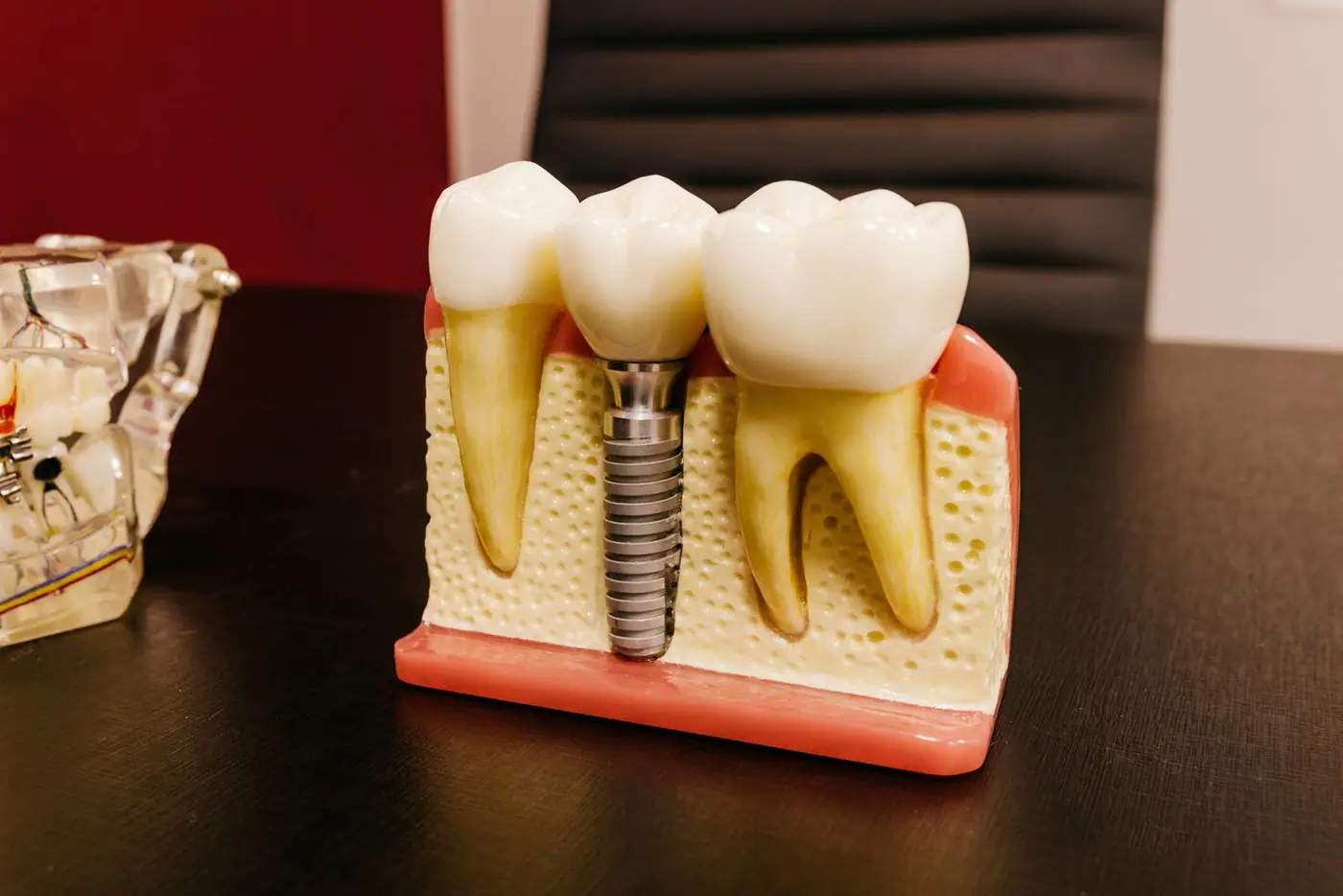
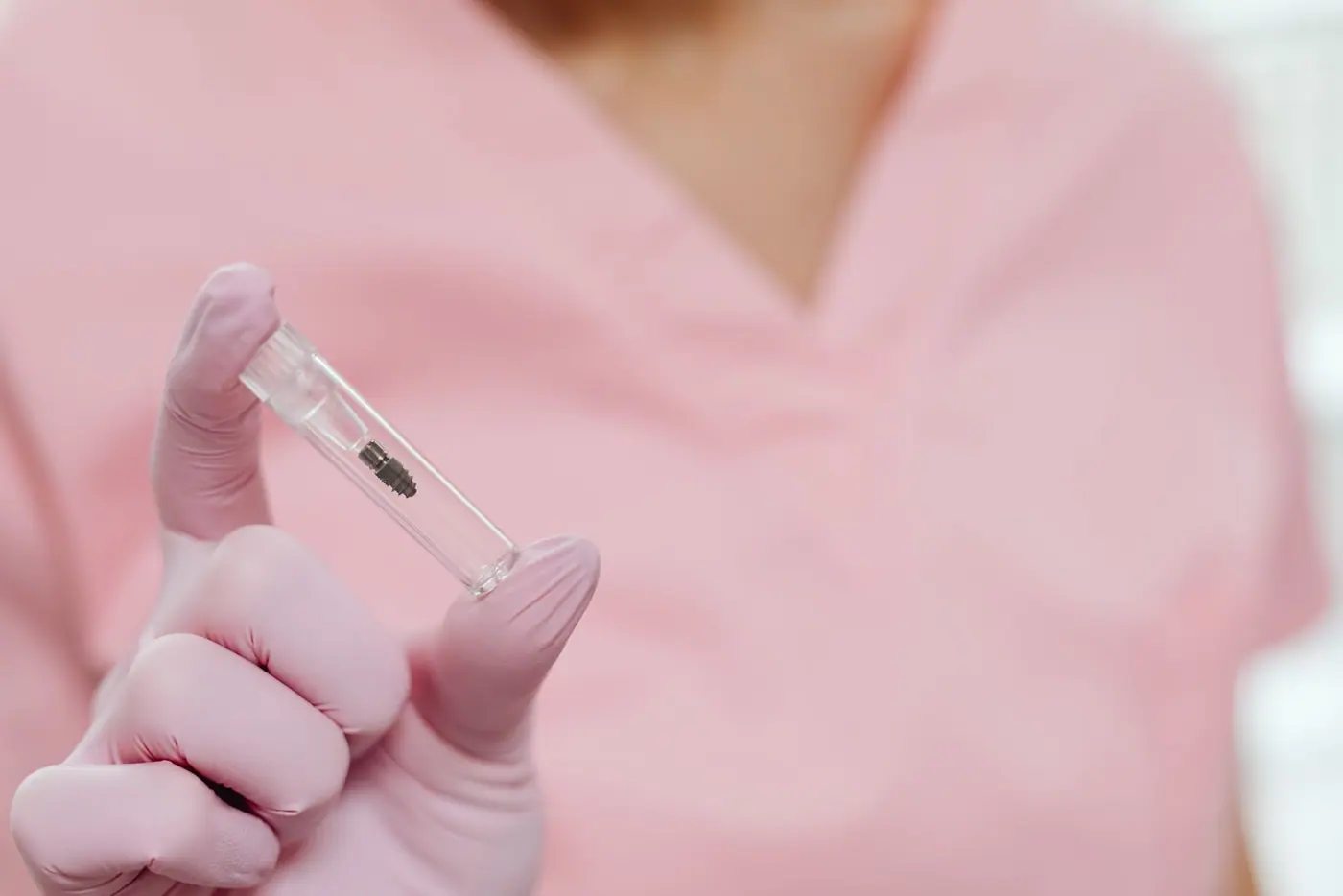
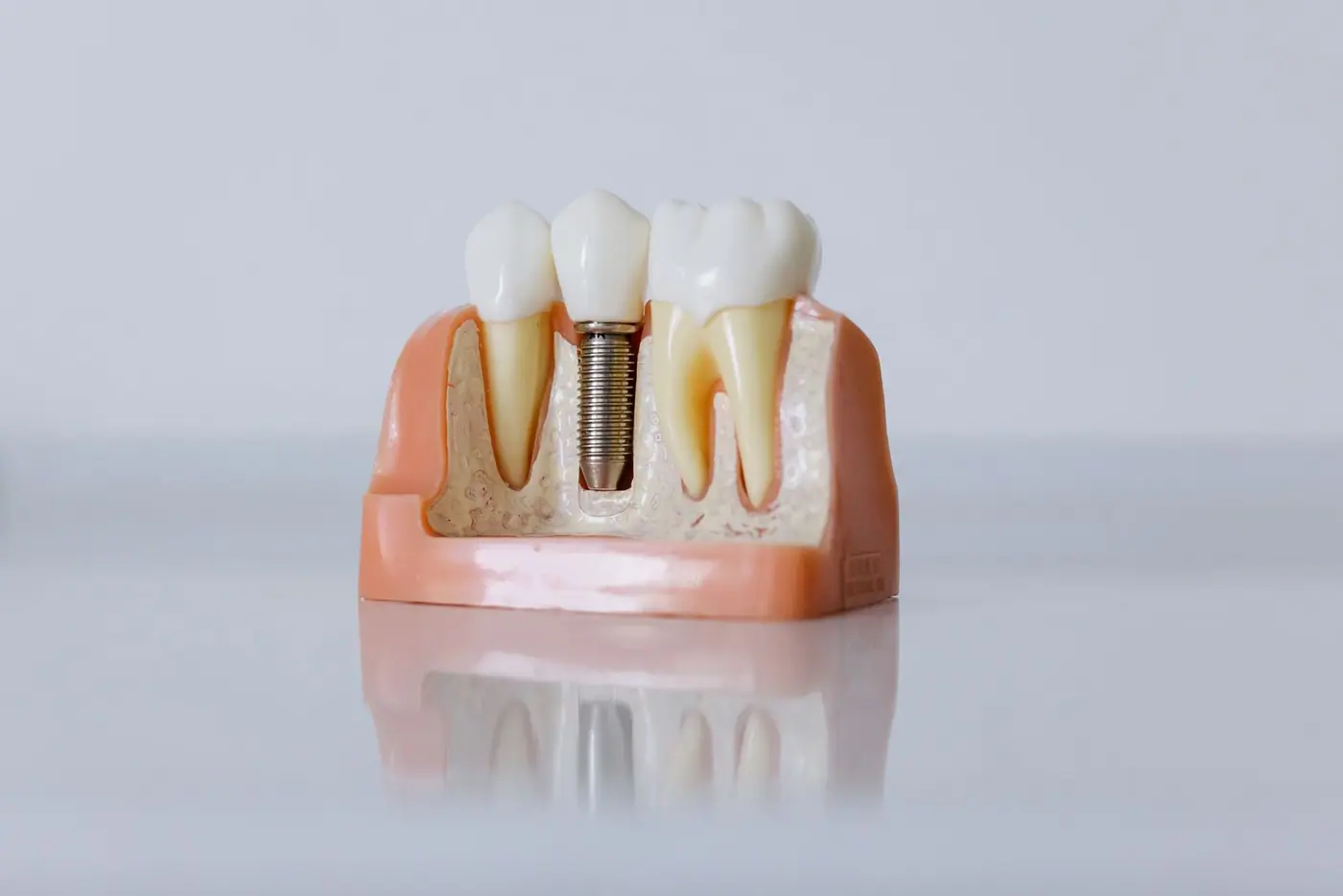
A single tooth implant is a treatment that involves placing an artificial tooth root in place of a missing tooth. Made from titanium or zirconium, the implant integrates with the jawbone and is topped with a porcelain or zirconium crown, providing a durable, natural-looking tooth replacement.
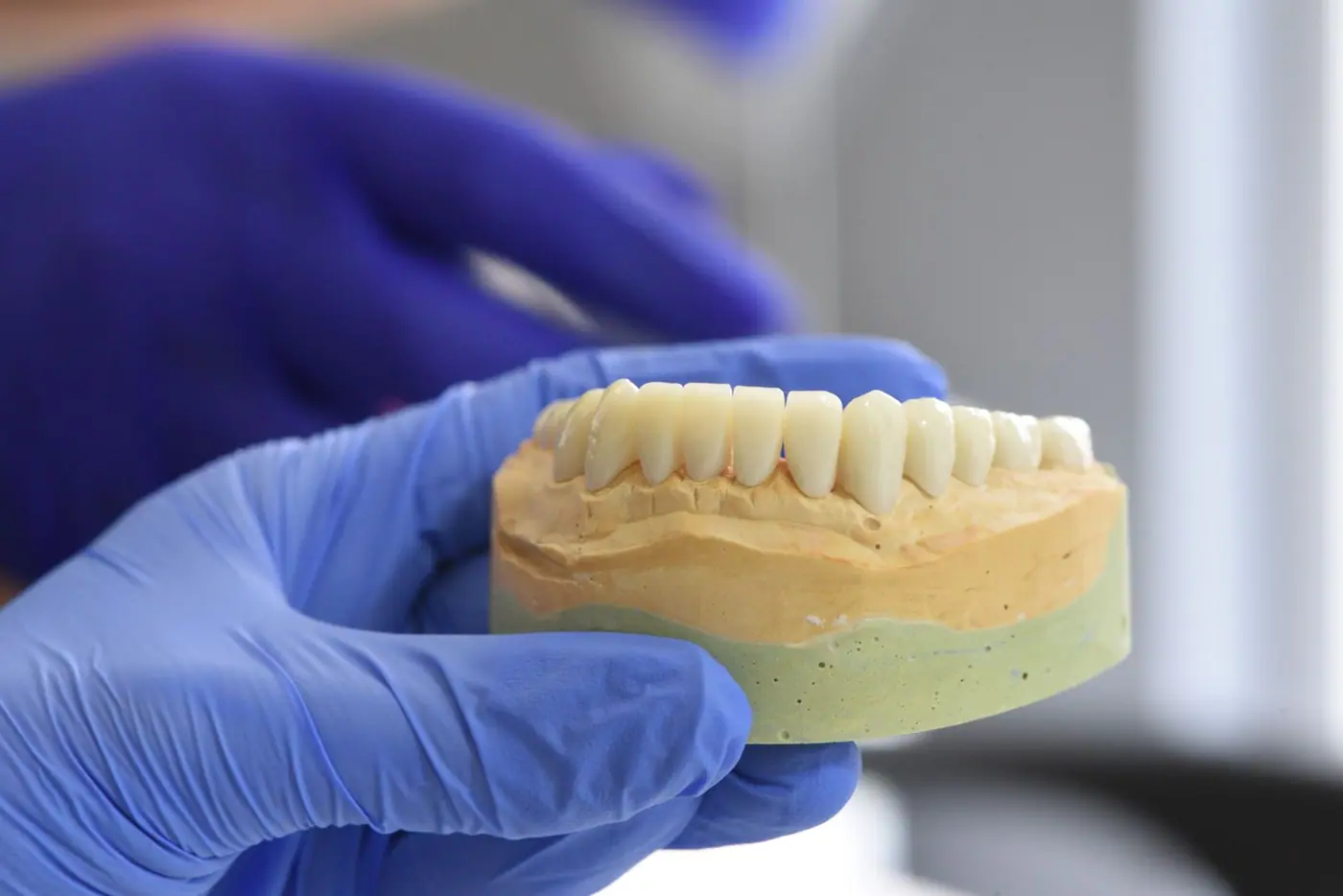
Because the implant is anchored in the bone, it does not rely on the teeth next to it for support. With a conventional bridge, the neighbouring teeth are reshaped so that they can carry crowns that hold the replacement tooth. A bridge is a proven and sensible option in some situations, for example when the neighbouring teeth already need crowns. When those teeth are healthy, however, an implant allows them to stay untouched.
Why Replace a Single Missing Tooth?
Leaving a gap is not always harmless. Over months and years:
- neighbouring teeth can tilt or drift into the space, and the opposing tooth may grow further out of its socket
- the bite can change, which may lead to uneven wear or jaw discomfort
- the jawbone where the tooth was lost gradually shrinks because it is no longer stimulated
- food can collect in the changed spaces, making cleaning more difficult
- a gap in the front of the mouth can affect your confidence and, sometimes, your speech
Replacing the tooth in good time helps keep the rest of your teeth in their natural positions.
Who Is a Candidate?
Most adults with good general health can be considered for a single tooth implant. Your dentist will look at:
- Bone volume and density: There needs to be enough bone to hold the implant securely. If bone has been lost, a bone graft may be recommended first or at the same time.
- Gum health: Gum disease should be treated and under control before implant placement.
- General health: Conditions such as diabetes should be well managed, as they affect healing.
- Smoking: Smoking increases the risk of complications. Stopping, or at least reducing, around the time of treatment is strongly advised.
- Growth: Implants are placed only once jaw growth is complete.
Your suitability is confirmed after a thorough examination with X-rays and, usually, 3D imaging.
How Is a Single Tooth Implant Placed?
Treatment usually takes a few months from start to finish, because the implant needs time to bond with the bone.
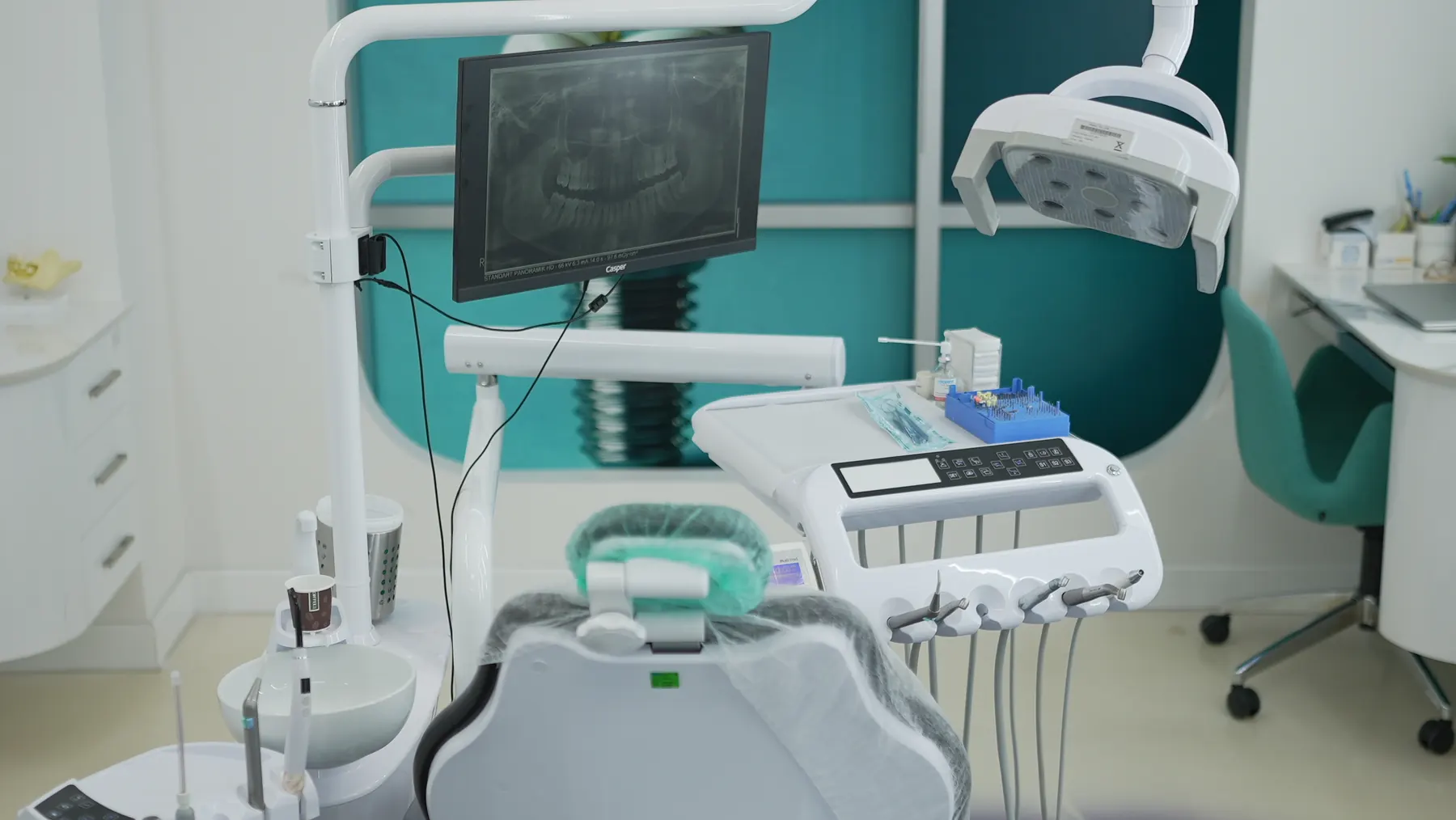
- Examination and planning: Your dentist examines your mouth and uses panoramic X-rays or 3D imaging to assess the bone. The implant position is planned digitally with the final crown in mind.
- Implant placement: Under local anaesthesia, a small opening is prepared in the jawbone and the implant is placed. The procedure generally takes around 30 to 60 minutes. If the tooth is still present, it may be removed in the same session or beforehand, depending on the condition of the area.
- Healing (osseointegration): Over roughly two to six months, the bone grows firmly around the implant. The exact time depends on the site, the bone quality and your general health. For front teeth, a temporary tooth can often be provided so you are not left with a visible gap.
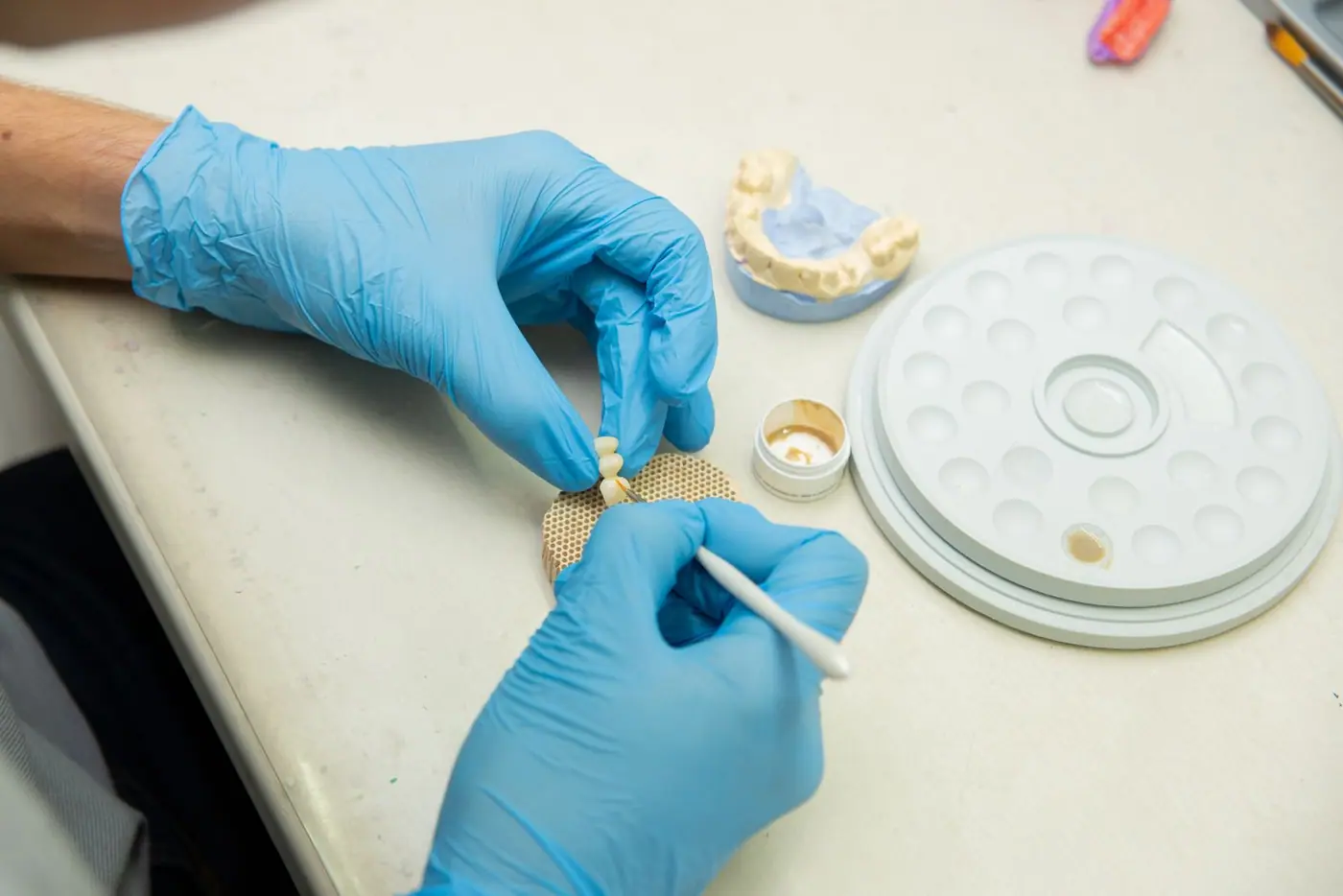
- Abutment and crown: Once healing is confirmed, a connecting part (abutment) is attached and a custom crown in porcelain or zirconia is fitted. The shade and shape are matched to your neighbouring teeth, and your bite is checked carefully.
Advantages of a Single Tooth Implant
- Natural appearance and feel: The crown is designed to blend in with your other teeth, and because it is anchored in bone, it feels stable when you bite.
- Neighbouring teeth are preserved: There is no need to reshape adjacent teeth to support the replacement, so their natural structure remains intact.
- Support for the jawbone: The implant transfers chewing forces into the bone, which helps reduce the bone loss that usually follows tooth loss.
- Stable bite: Filling the gap helps prevent neighbouring and opposing teeth from shifting.
- Comfortable chewing and clear speech: The tooth works like a natural one, without clasps or plates.
- Easy to clean: You brush and floss around it much like a natural tooth.
- Long-lasting: With good hygiene and regular check-ups, an implant can serve you for many years.
A single tooth implant can be a particularly good option for a missing front tooth, where appearance matters most.
Aftercare
The way you care for the area during healing plays an important role in the result.
- Do not eat or drink anything hot until the anaesthesia has worn off.
- Avoid hard, crunchy and very hot foods for the first few days, and chew on the other side if possible.
- Take any prescribed antibiotics and painkillers exactly as directed.
- Keep brushing your other teeth normally, and clean the implant area gently with a soft toothbrush as instructed.
- Avoid smoking and alcohol during healing, as both can interfere with the process.
- Attend all follow-up appointments so your dentist can check that the implant is healing well.
Once the crown is in place, brush twice a day, clean between your teeth daily with floss or interdental brushes, and visit your dentist regularly for check-ups and professional cleaning.
A Lasting Way to Restore Your Smile
A single tooth implant restores a missing tooth in a way that looks natural, works like your own tooth and leaves the teeth beside it untouched. At LHC Dental, your dentist will examine your bone and gums, explain whether an implant or another option suits you best, and walk you through each step so you know what to expect from the first consultation to the final crown.
Frequently Asked Questions
Is an implant or a bridge better for one missing tooth?
It depends on your situation. If the neighbouring teeth are healthy, an implant has the advantage of leaving them untouched. If those teeth already have large fillings or need crowns, a bridge can be a sensible choice. Your dentist will discuss both options with you.
Does getting a single implant hurt?
The procedure is done under local anaesthesia, so you should not feel pain during it. Mild swelling and tenderness for a few days afterwards are common and usually well controlled with painkillers.
Will I have a gap while the implant heals?
For visible teeth, a temporary tooth can usually be provided during the healing phase. For back teeth, a temporary is often not necessary, but your dentist will discuss this with you.
How long does the whole treatment take?
Usually a few months, mostly because of the healing time of roughly two to six months. If a bone graft is needed, treatment may take longer.
Can an implant be placed immediately after an extraction?
Sometimes. If the bone and gums are healthy and there is no infection, an implant can occasionally be placed in the same session as the extraction. In other cases, the socket is allowed to heal first. Your dentist will decide after examining the area.
This page is for general information and does not replace a personal examination. Whether a treatment is suitable for you can only be assessed after an examination and consultation.