Multiple Teeth Replacement
 Dr. med. dent. Hasan Coşkun · Co-founder of LHC Clinic
6 min read · Deutsch
When several teeth are missing, chewing, speaking clearly and smiling freely can all become harder, and the remaining teeth often have to work under extra strain. Thanks to modern implant dentistry, several missing teeth can be replaced with fixed, natural-looking restorations that are anchored in the jawbone, restoring both function and appearance while helping to protect your long-term oral health.
What Is Multiple Teeth Replacement?
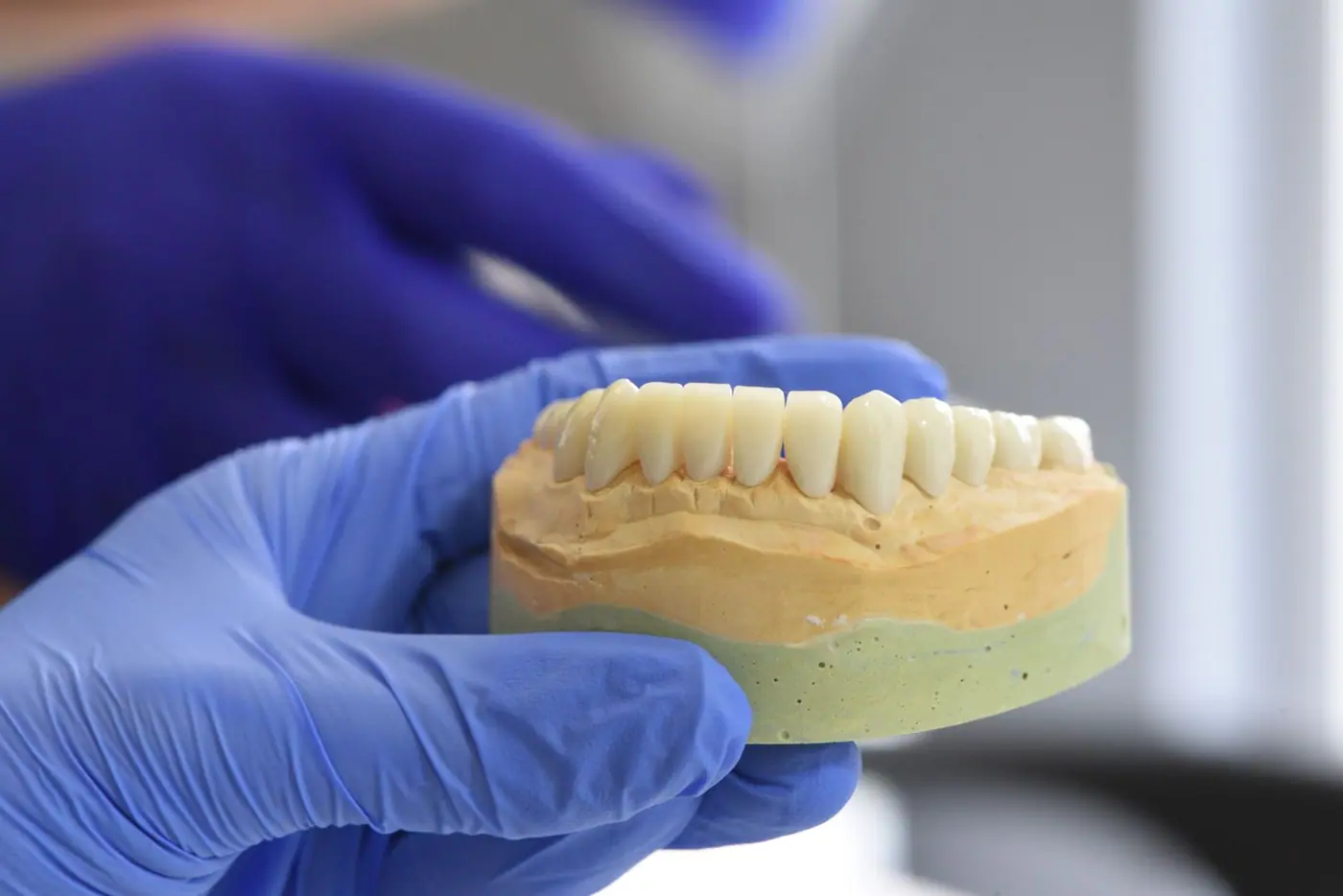
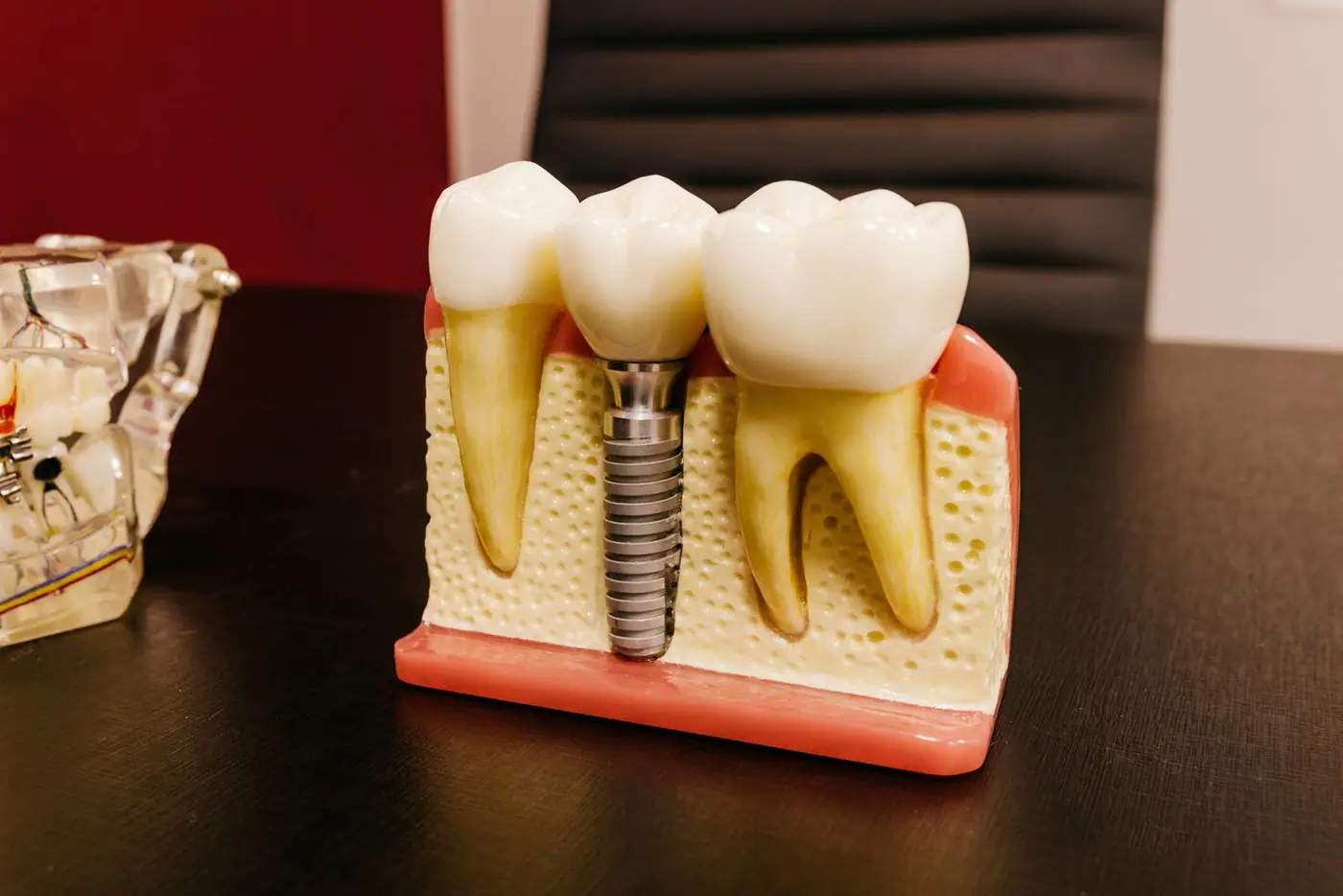
Multiple teeth replacement refers to the restoration of several missing teeth using prosthetic solutions. The most advanced and durable option involves placing two or more dental implants that support a fixed bridge or multiple crowns. Unlike removable dentures, this method provides a fixed result with a natural appearance and improved comfort.
Depending on the number and location of the missing teeth, the dentist designs a personalised treatment plan that distributes biting forces evenly and preserves jawbone health. For example, three missing teeth in a row can often be replaced with a bridge on two implants, while gaps in different areas of the mouth may be restored with individual implant crowns or several shorter bridges.
Who Is a Suitable Candidate?
Implant-based replacement of multiple teeth may be right for you if you:
- have lost several teeth, whether next to each other or in different parts of the mouth
- have teeth that cannot be saved and will need to be removed
- are unhappy with a removable partial denture that moves, has visible clasps or feels uncomfortable
- prefer not to have healthy neighbouring teeth reshaped for a conventional bridge
- have enough jawbone to support implants, or are willing to have bone grafting if needed
- have healthy gums, or are ready to have gum disease treated first
- have any general health conditions, such as diabetes, under good control
- are a non-smoker, or are prepared to stop or significantly reduce smoking during healing
- are committed to good daily oral hygiene and regular check-ups
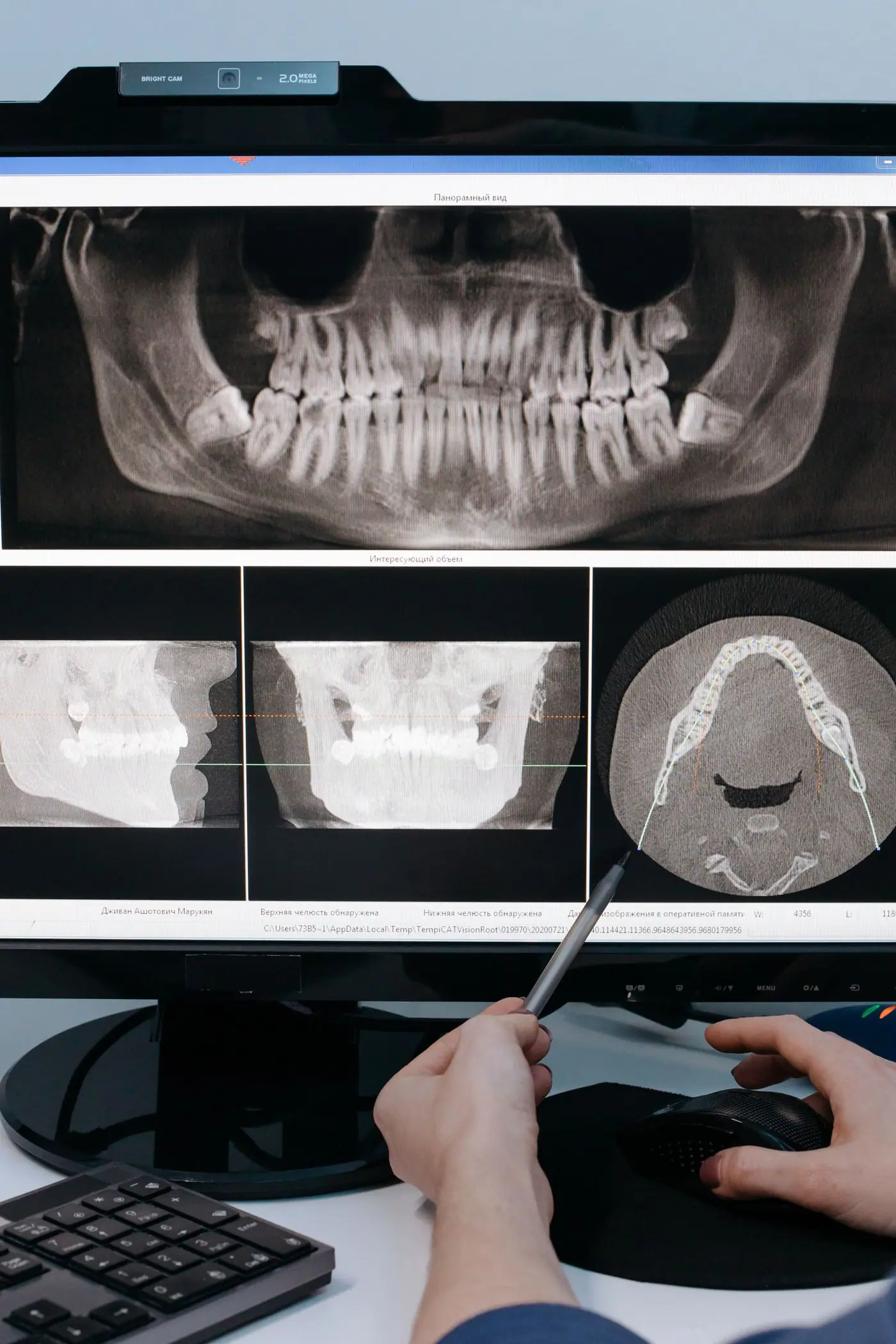
A comprehensive examination with X-rays and 3D imaging shows whether implants are possible and how many are needed. If implants are not suitable, your dentist will explain the alternatives.
How Is the Treatment Performed?
Replacing multiple teeth with implants is a step-by-step process that usually takes a few months. Each stage has its own purpose.
1. Consultation and Examination
Your dentist reviews your medical history, examines your teeth and gums, and takes panoramic X-rays and usually a 3D scan (CBCT). This shows the height, width and density of the bone, as well as the position of nerves and sinuses. Your bite and the condition of your remaining teeth are also assessed.
2. Digital Treatment Planning
Based on these findings, the number and positions of the implants are planned digitally together with the design of the future bridge or crowns. This helps make sure that the implants are placed where they can best support the teeth and spread the chewing forces evenly. Your dentist explains the plan, the expected timeline and any additional steps before treatment starts.
3. Preparatory Treatment if Needed
Teeth that cannot be saved are removed, and any gum disease or infection is treated. If bone volume is insufficient, bone grafting or a sinus lift may be carried out beforehand or at the same time as implant placement.
4. Implant Placement
Under local anaesthesia, and sedation if appropriate, the implants are placed in the jawbone. They act as artificial roots for the future bridge or crowns. The length of the procedure depends on the number of implants and any additional steps.
5. Healing Phase
Over roughly two to six months, the implants bond with the bone (osseointegration). Healing time varies from person to person and depends on bone quality, the location in the jaw and your general health. Where possible, you receive a temporary restoration during this phase, especially for visible areas.
6. Final Restoration
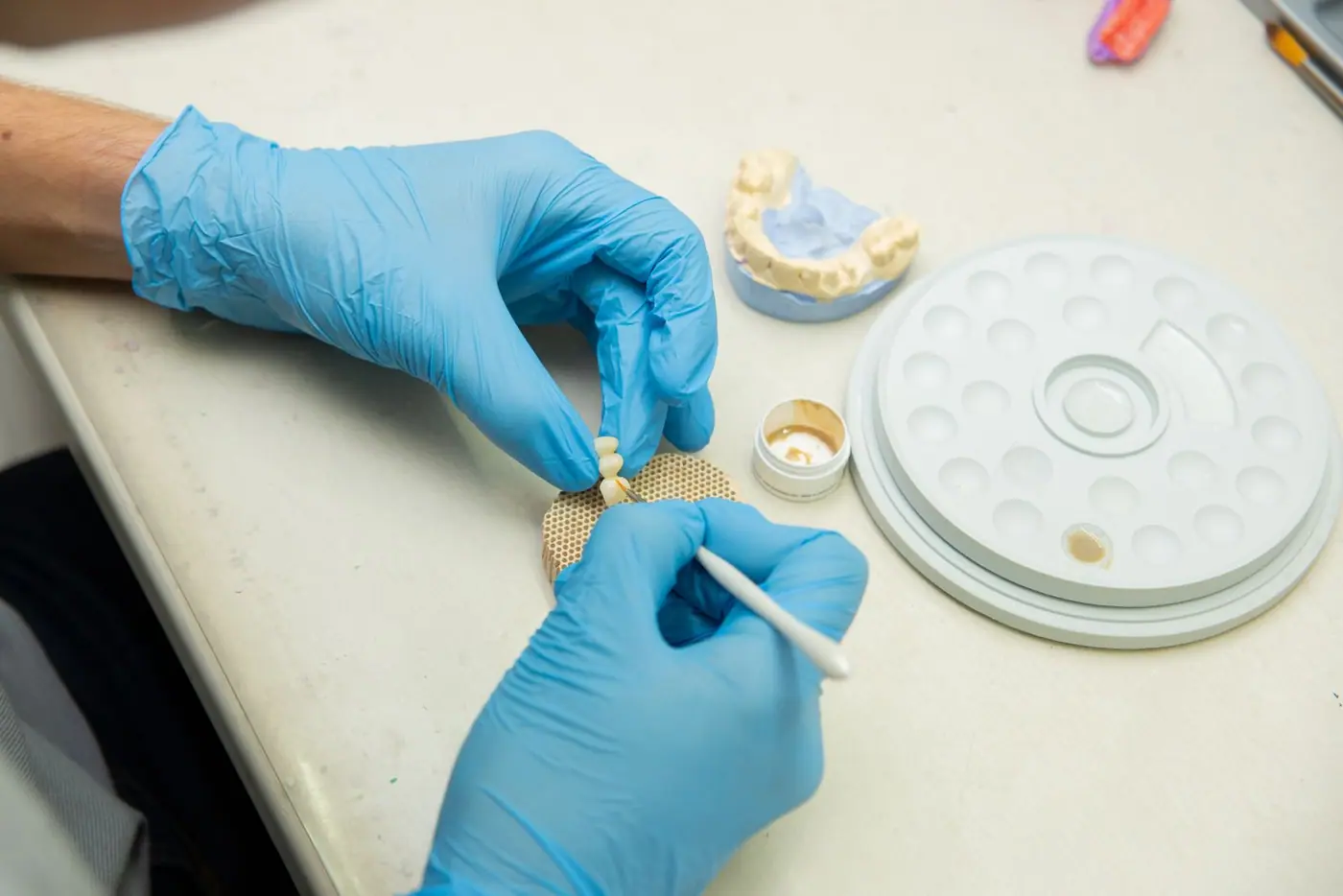
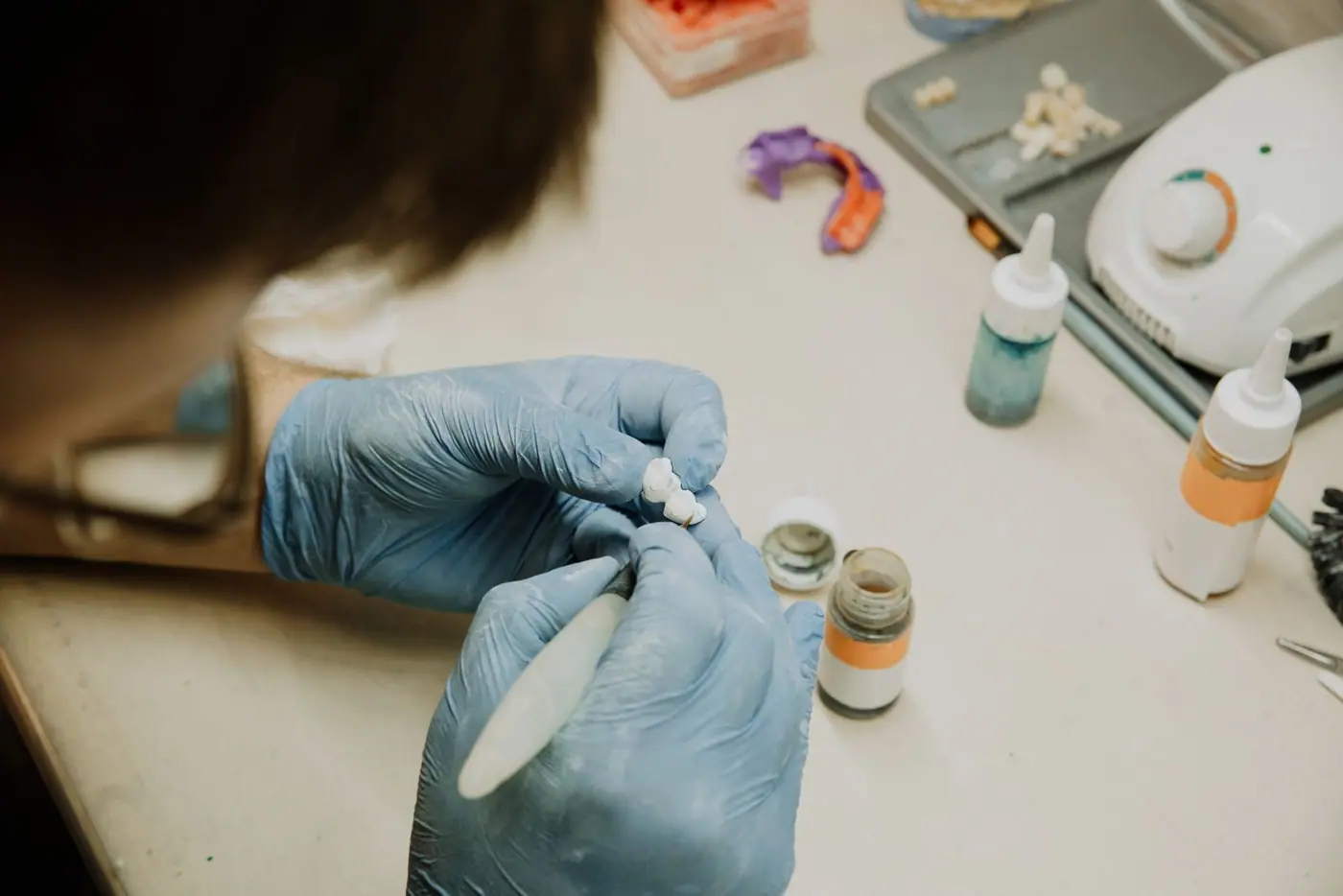
Once healing is confirmed, abutments are attached to the implants and precise scans or impressions are taken. Your custom bridge or crowns are made to match the shape and shade of your natural teeth, then tried in and fixed. Your bite is checked and adjusted so that forces are evenly distributed.
Advantages of Implant-Based Multiple Teeth Replacement
- Natural look and feel: Custom-made restorations are designed to match your remaining teeth in shape and colour.
- Fixed and stable: Unlike a removable partial denture, there are no clasps, no plates and no need to take the teeth out.
- Improved chewing: You can chew a wide range of foods with confidence once healing is complete.
- Clearer speech: Stable teeth and no bulky plate make speaking more natural.
- Neighbouring teeth are preserved: Implants carry the restoration themselves, so healthy adjacent teeth do not need to be reshaped as they would for a conventional bridge.
- Less strain on remaining teeth: The implants share the chewing load, so your remaining natural teeth are not overloaded.
- Jawbone protection: Implants transfer chewing forces into the bone, which helps slow bone loss and maintain facial contours.
- Stable bite: Filling the gaps helps prevent teeth from drifting and keeps the bite balanced.
- Fewer implants than teeth in many cases: A bridge on implants can replace more teeth than the number of implants placed.
- Long-term durability: With good care and regular check-ups, implant-supported restorations can last for many years.
Aftercare and Recommendations
In the First Days After Surgery
- Do not eat or drink anything hot until the anaesthesia has worn off, to avoid biting or burning yourself.
- Use cold compresses on your cheek during the first day to limit swelling.
- Take your prescribed medication, such as painkillers, antibiotics or mouth rinse, exactly as directed.
- Eat soft, lukewarm foods and avoid hard, crunchy, very hot or spicy foods.
- Avoid using straws, rinsing vigorously or spitting forcefully, as this can disturb healing.
- Avoid smoking and alcohol, as both slow healing.
During the Healing Phase
- Follow your dentist's dietary advice and avoid putting heavy pressure on the implant areas.
- Brush the rest of your mouth normally and clean the surgical areas gently as instructed.
- Attend all follow-up visits so healing can be monitored.
Long-Term Care
- Brush twice a day with a soft toothbrush, paying attention to the gumline around the restorations.
- Clean under bridges and between implants daily with interdental brushes, special floss or a water flosser.
- Wear a night guard if you grind or clench your teeth.
- Avoid biting very hard objects, such as ice or nut shells.
- Visit your dentist regularly for professional cleaning and check-ups.
- Contact your dentist if you notice bleeding, swelling or a loose restoration.
Multiple Teeth Replacement at LHC Clinic
At LHC Dental, the dental department of LHC Clinic in Istanbul, replacing multiple teeth starts with a detailed examination and digital planning, so that the number and position of implants and the design of the final teeth are decided together. Your dentist explains the options that suit your situation, what each step involves and how long healing is likely to take. You receive clear aftercare instructions and follow-up appointments, so you know what to do at every stage of treatment.
Frequently Asked Questions
How many implants do I need to replace several teeth?
Not every missing tooth needs its own implant. A bridge on two implants can often replace three or four teeth in a row. The exact number depends on how many teeth are missing, where the gaps are and how much bone you have.
Is an implant bridge better than a removable partial denture?
An implant bridge is fixed, does not use clasps and usually feels more natural and stable. A removable partial denture is simpler and does not require surgery. Your dentist will explain the advantages and limitations of both for your situation.
Is the treatment painful?
Implant placement is done under local anaesthesia, so you should not feel pain during the procedure. Swelling and discomfort for a few days afterwards are common and usually well controlled with prescribed painkillers.
How long does the treatment take?
Usually a few months, mainly because the implants need roughly two to six months to heal. Bone grafting or extractions can extend the timeline.
Can I have temporary teeth during healing?
In many cases, yes, especially for visible front areas. Whether a temporary restoration is possible, and which type, depends on your situation and is discussed during planning.
This page is for general information and does not replace a personal examination. Whether a treatment is suitable for you can only be assessed after an examination and consultation.