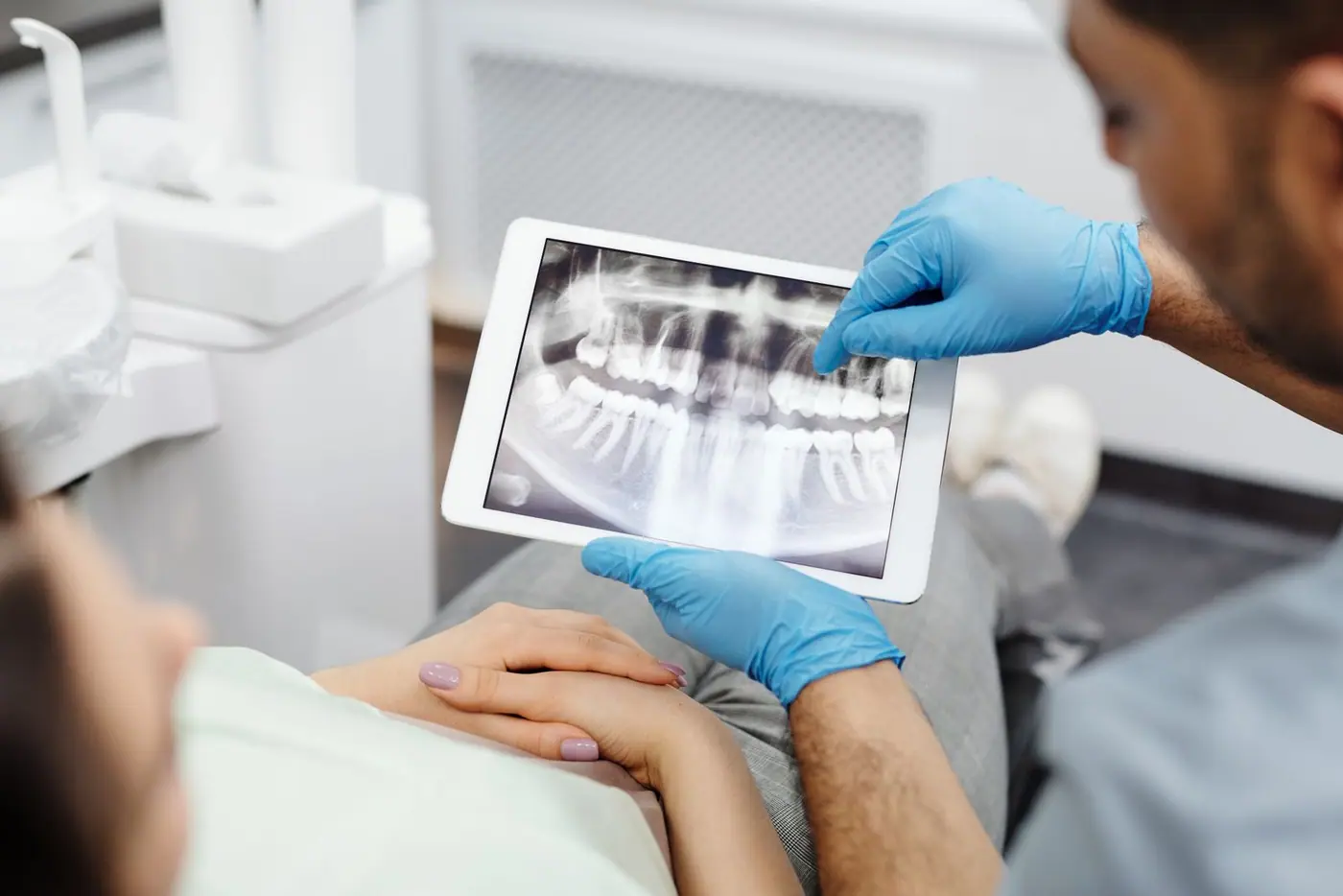
Dental implants with diabetes, osteoporosis medication, smoking or blood thinners?
 By Dr. med. dent. Hasan Coşkun · Dentist, 20 years of practice in Germany
8 October 2026 · 6 min read
“Can I have an implant at all?” – many people with diabetes, those taking osteoporosis medication or needing blood thinners ask this. In most cases the answer is yes, with careful planning. What matters is that you mention all conditions and medications openly in your consultation.
Diabetes
A 2019 umbrella review summarising twelve reviews reports implant survival rates of 83.5% to 100% in people with diabetes. Three meta-analyses found no significant difference in implant failure compared with people without diabetes.
However, high blood sugar appears to be linked to a higher risk of peri-implantitis. Many studies did not report glycaemic control, and the quality of the reviews was limited. The 2023 EFP guideline recommends good blood sugar control as part of prevention.
In practice: bring recent values (such as your HbA1c) to the consultation. The literature does not give a universal cut-off above which implants must not be placed – the decision is individual.
Osteoporosis medication (bisphosphonates, denosumab)
Certain bone medications can, very rarely, contribute to osteonecrosis of the jaw (MRONJ). According to the American Association of Oral and Maxillofacial Surgeons (AAOMS, 2022), the risk with oral bisphosphonates is 0.05% or lower, and with denosumab between 0.04% and 0.3%.
For osteoporosis patients, AAOMS states that implants are not contraindicated. It recommends informing patients about the low necrosis risk and possible early or late implant failure, and long-term follow-up. It is different for cancer patients receiving these drugs in high doses by injection or infusion: here AAOMS says implants should be avoided.
The AAOMS working group was split on a “drug holiday” before surgery. Again: only in agreement with the treating doctor.

Smoking
A large meta-analysis of 107 studies (Chrcanovic et al., 2015) found a failure rate of 6.35% in smokers (1,259 of 19,836 implants) versus 3.18% in non-smokers (1,923 of 60,464 implants). Smoking also affected infection and bone loss. The EFP guideline therefore recommends stopping smoking.
Blood thinners
The Scottish SDCEP guidance (2022) classifies implant surgery as a procedure with a higher bleeding risk. It generally recommends not simply stopping blood thinners:
- Warfarin: treat without interruption if the INR is below 4 (check beforehand).
- Direct oral anticoagulants (DOACs): only miss or delay the morning dose on the day – no full stop.
- Aspirin: do not interrupt.
- Clopidogrel, ticagrelor and similar: consult the prescribing doctor.
This is UK guidance; the specific approach is always decided individually and in consultation with your doctor.
Radiotherapy of the head and neck
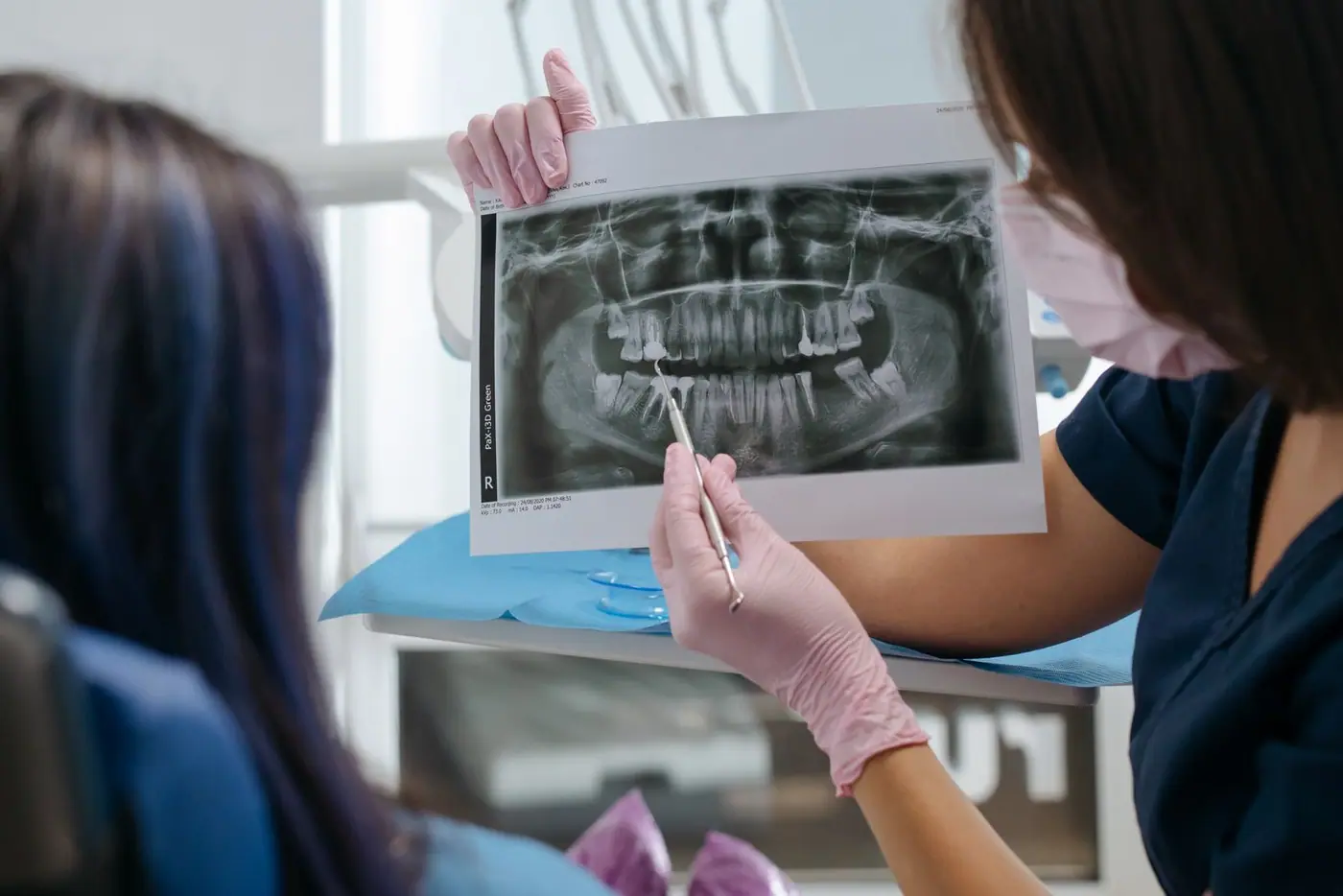
Particular caution is needed after radiotherapy to the head and neck. A meta-analysis (Schiegnitz et al., 2022) showed that implants in irradiated bone fail more often (odds ratio 1.97); mean survival was 87.8%. Such cases belong in specialised, usually maxillofacial, centres working closely with the treating oncologists.
What to bring to your consultation
- an up-to-date medication list (with doses)
- with diabetes: recent blood sugar values
- with blood thinners: the name of the drug and, if applicable, a recent INR
- details of any osteoporosis treatment (tablets, injection, infusion) and since when
- a recent X-ray if you have one

Dr. Coşkun studied dentistry at Charité – Universitätsmedizin Berlin (graduated 2000) and worked as a dentist in Germany for around 20 years. He has placed more than 10,000 implants and now practises in Istanbul with a focus on implant dentistry.
Frequently asked questions
Can I have an implant with diabetes?
In many cases yes. Studies mostly show comparable survival rates with diabetes, but a higher risk of inflammation when blood sugar is poorly controlled. Individual control and consistent aftercare are key.
I take osteoporosis tablets – do I have to stop them?
Not on your own. According to AAOMS, implants are not contraindicated with osteoporosis and the necrosis risk with tablets is very low. Whether a break makes sense is decided by your dentist and doctor together.
Do I have to stop my blood thinner before implant surgery?
In most cases not completely. Guidelines recommend different approaches depending on the drug. Any adjustment is always agreed with the prescribing doctor.
Sources
The figures in this article come from the following studies and guidelines (research status: 8 October 2026):
- Umbrella Review (2019): An umbrella review on the effects of diabetes on implant failure and peri-implant diseases. Braz Oral Res
- Ruggiero SL et al. (2022): American Association of Oral and Maxillofacial Surgeons’ Position Paper on Medication-Related Osteonecrosis of the Jaws – 2022 Update. J Oral Maxillofac Surg
- Chrcanovic BR et al. (2015): Smoking and dental implants: A systematic review and meta-analysis. J Dent 43(5):487–498. PMID 25778741
- SDCEP (2022, 2. Aufl.): Management of Dental Patients Taking Anticoagulants or Antiplatelet Drugs – Quick Reference Guide
- Schiegnitz E et al. (2022): Dental implants in patients with head and neck cancer – influence of radiotherapy on implant survival. Clin Oral Implants Res 33(10). DOI 10.1111/clr.13976
- Herrera D et al. (2023): Prevention and treatment of peri-implant diseases – The EFP S3 level clinical practice guideline. J Clin Periodontol 50 Suppl 26:4–76. DOI 10.1111/jcpe.13823
Diesen Artikel auf Deutsch lesen →
This article is for general information and does not replace a personal examination. Whether and which treatment is suitable for you can only be assessed after examination and a consultation.
You might also be interested in
 Treatment
Peri-implantitis: how to spot inflammation around an implant early – and prevent it
Inflammation of the surrounding tissue is the most common late complication of implants. What studies say about frequency and risk – and what you can do yourself.
 Treatment
How long does a dental implant last? What 10- and 20-year studies show
“Will an implant last a lifetime?” Long-term studies give the honest answer. We explain the figures – and why survival is not the same as success.
 Technology & materials
Ceramic or titanium implants? What the research on zirconia really shows
Ceramic implants are often described as “metal-free” and natural. What does the data show compared with titanium – and who are they suitable for?