
Dental fillings: which materials exist and how the treatment works
 By Dr. med. dent. Hasan Coşkun · Dentist, 20 years of practice in Germany
15 October 2026 · 5 min read
A small hole in a tooth, a dark spot or a brief, sharp pain with something sweet or cold – at first it may not seem like a big problem. But decay progresses. A filling can stabilise the tooth early and prevent further damage.
What is a dental filling?
For a filling, the dentist removes the decayed or damaged part of the tooth and fills the area with a suitable material. This restores shape and function and stops the decay from progressing.
Filling materials at a glance
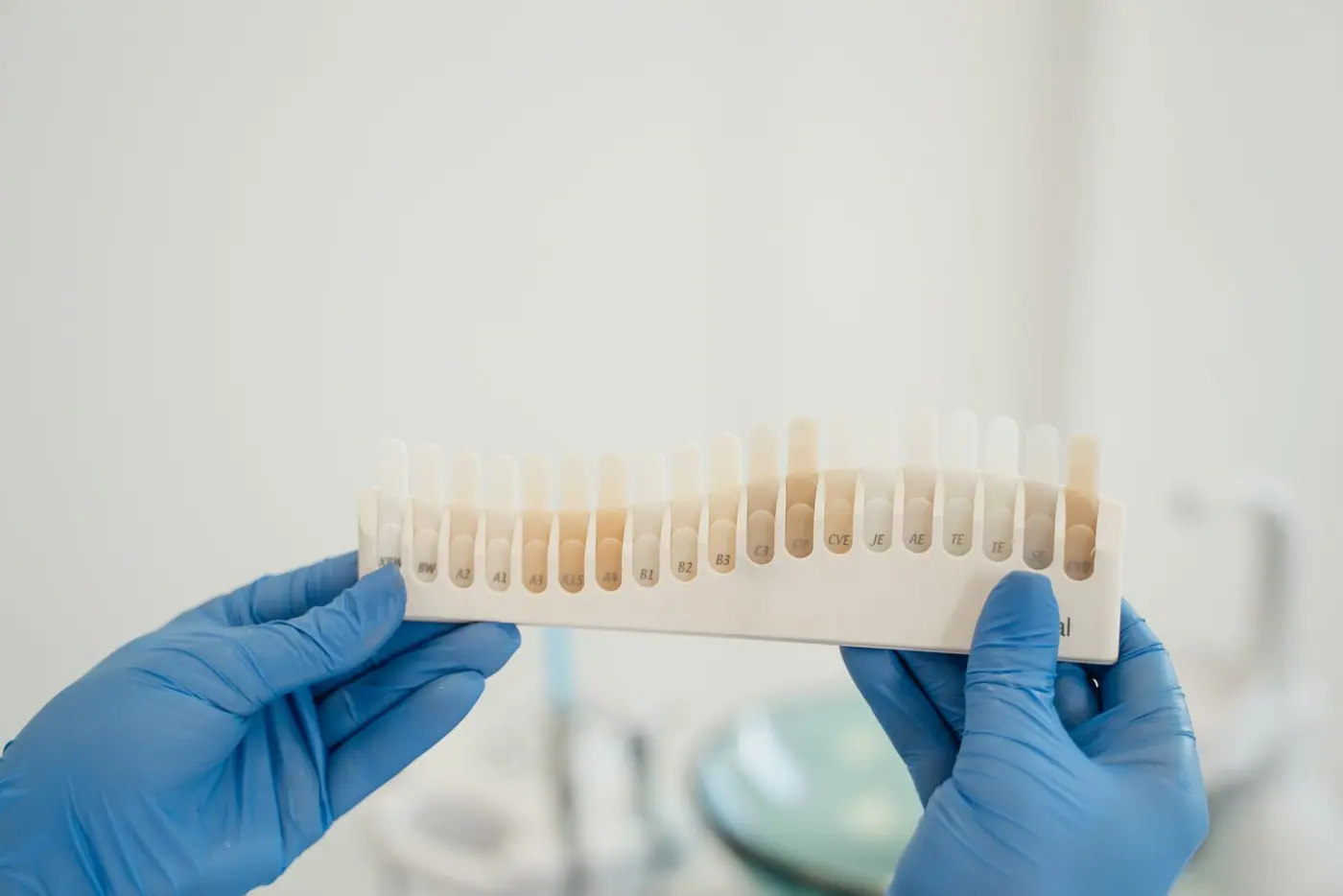
- Composite (resin): tooth-coloured and the most widely used material today. Suitable for front and back teeth; may wear somewhat more over the years than some alternatives.
- Ceramic inlays and onlays: custom-made in the lab, highly aesthetic, stain-resistant and durable – but more involved and usually more expensive than direct fillings.
- Gold inlays: very durable with a precise fit and a long service life with good care – but visibly metallic.
- Glass ionomer: can release fluoride and help protect the surrounding tooth; often used for small fillings, as a temporary solution or for baby teeth.
- Amalgam: very hard-wearing but visibly metallic. In the EU, amalgam may only be used in medically justified exceptional cases since 1 January 2025.
How the treatment works
A direct filling is usually completed in one session.
- Examination and X-ray: the size of the decay and the right material are determined.
- Anaesthesia if needed: for superficial decay in the enamel it is often not even necessary.
- Removing the decay: the damaged area is carefully removed and cleaned.
- Filling: the material is placed and – for composite – hardened with a special light.
- Shaping and polishing: the filling is shaped to the natural tooth, the bite is checked and it is polished.
After the filling
- Wait until the anaesthesia wears off before eating – so you don’t accidentally bite your cheek, lip or tongue.
- Avoid very hard or sticky food at first.
- Brush thoroughly and clean between your teeth so no new decay forms at the edge of the filling.
- Attend regular check-ups so problems are spotted early.
Mild sensitivity to hot or cold is normal for the first few days. If it persists or gets worse, have it checked. If a tooth is too badly damaged, a crown may be more appropriate than a filling.


Dr. Coşkun studied dentistry at Charité – Universitätsmedizin Berlin (graduated 2000) and worked as a dentist in Germany for around 20 years. He has placed more than 10,000 implants and now practises in Istanbul with a focus on implant dentistry.
Frequently asked questions
How long does a filling last?
It depends on the material, location, bite and oral hygiene. As a rough guide, composite fillings are often quoted at around 5–10 years, lab-made inlays frequently considerably longer. Regular check-ups help extend their lifespan.
Does a filling hurt?
With local anaesthesia the treatment is usually comfortable. For small, superficial decay no anaesthesia is often needed. The tooth may be briefly sensitive afterwards.
Is amalgam still used?
In the EU, amalgam has only been permitted in justified exceptional cases since 2025. Composite, ceramic and gold are proven alternatives that are weighed up individually in the consultation.
Sources
The figures in this article come from the following studies and guidelines (research status: 15 October 2026):
Diesen Artikel auf Deutsch lesen →
This article is for general information and does not replace a personal examination. Whether and which treatment is suitable for you can only be assessed after examination and a consultation.
You might also be interested in
 Treatment
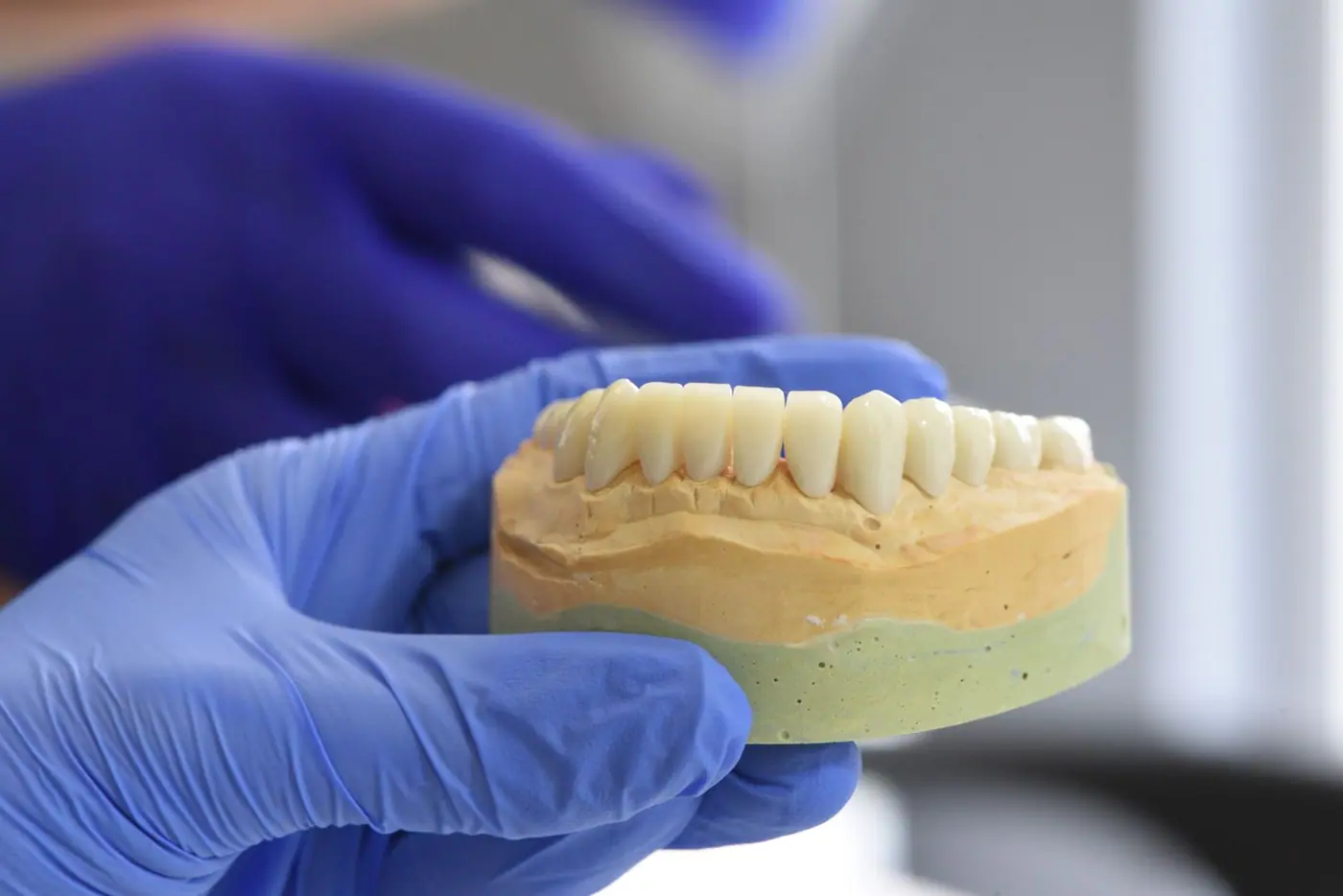
All-on-4 dental implants: a fixed solution for missing teeth – who is it for?
A full arch of fixed teeth on just four implants per jaw. How the concept works, who it suits, what the treatment involves and what it is not designed for.
 Treatment
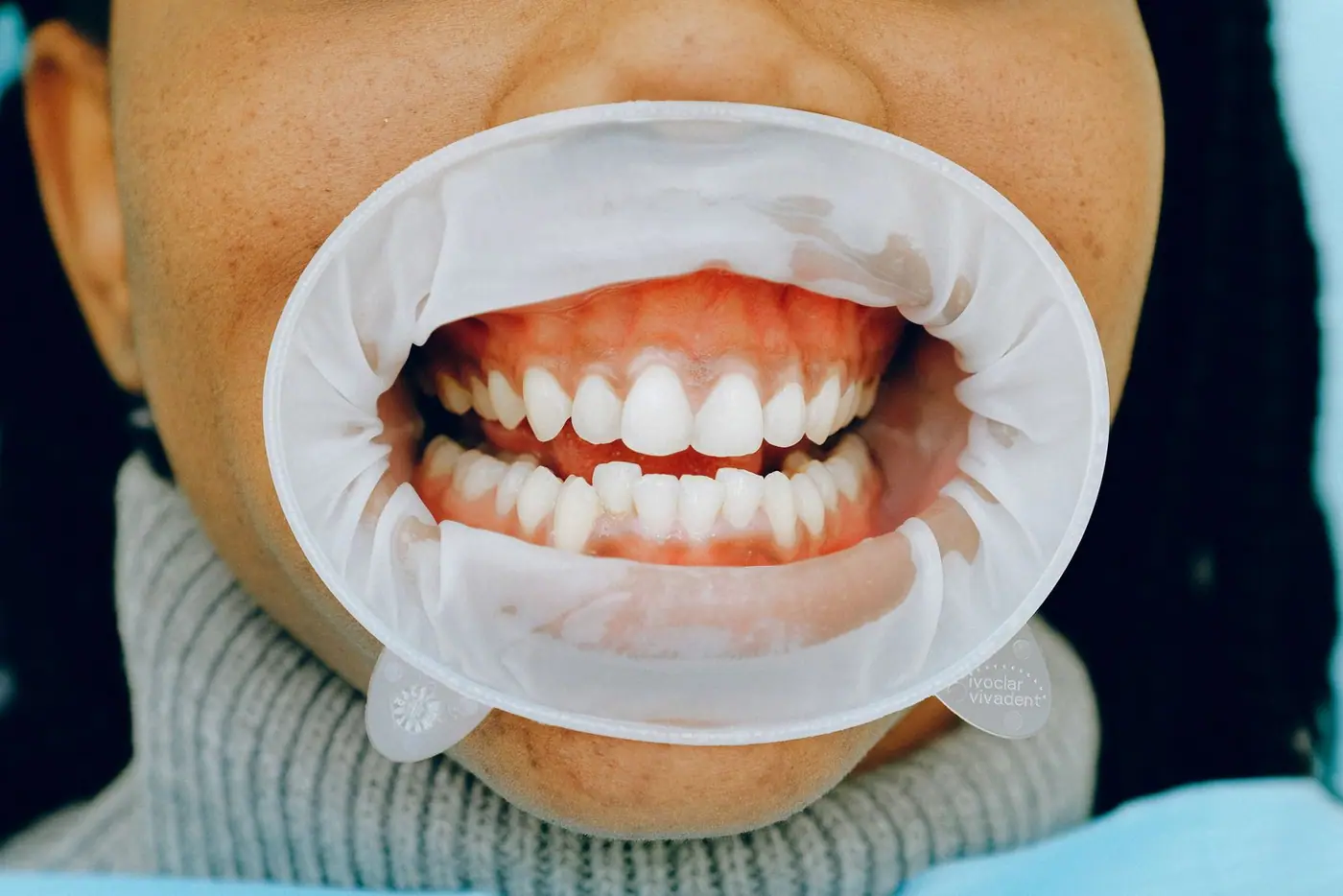
Peri-implantitis: how to spot inflammation around an implant early – and prevent it
Inflammation of the surrounding tissue is the most common late complication of implants. What studies say about frequency and risk – and what you can do yourself.
 Treatment
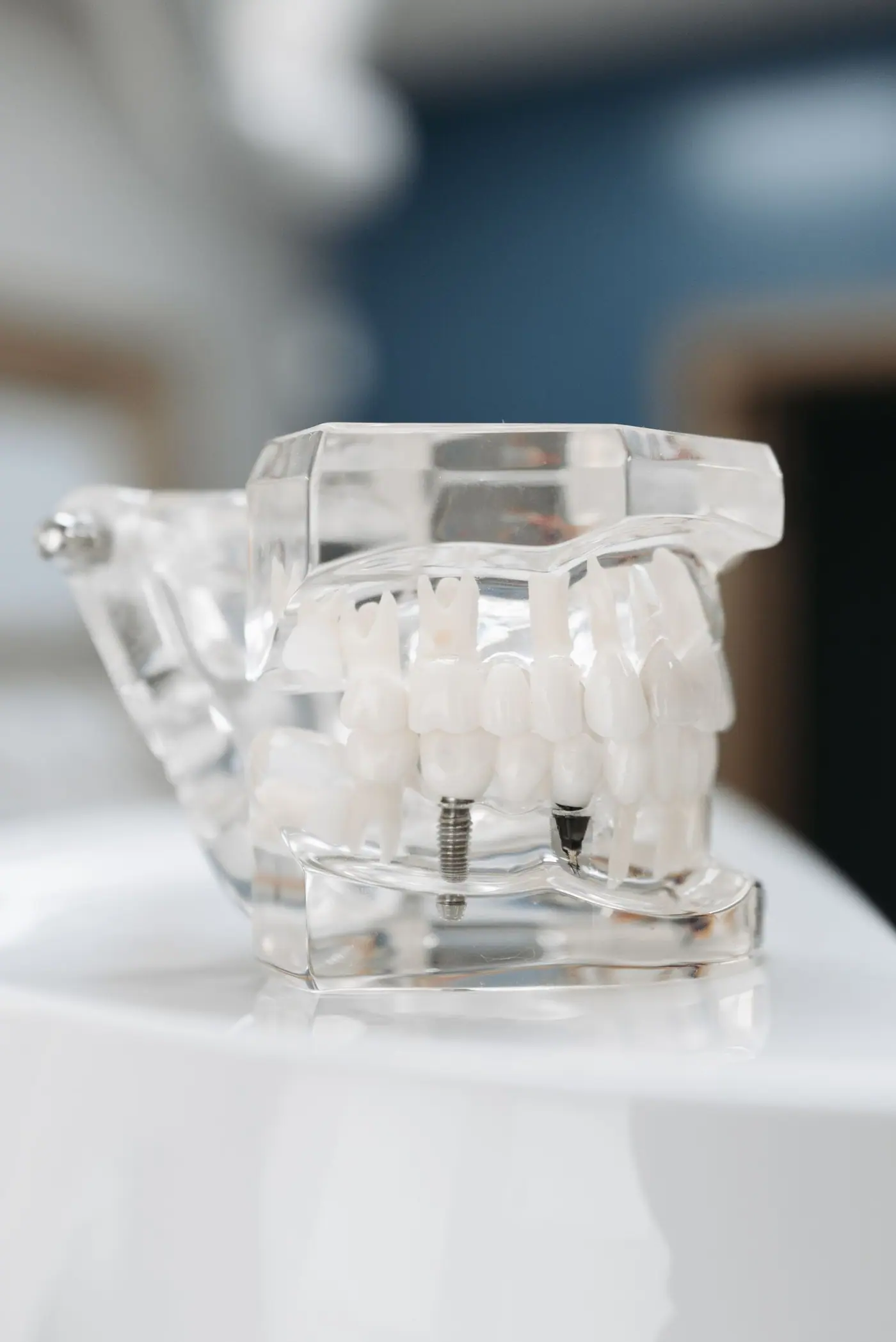
How long does a dental implant last? What 10- and 20-year studies show
“Will an implant last a lifetime?” Long-term studies give the honest answer. We explain the figures – and why survival is not the same as success.