
Root canal treatment: how an inflamed tooth can be saved
 By Dr. med. dent. Hasan Coşkun · Dentist, 20 years of practice in Germany
15 October 2026 · 6 min read
When you are in severe pain, your mind fills with questions: What is going on? Why does it hurt? How will it go away? Often the answer is that the tooth’s nerve is inflamed. Root canal treatment can then relieve the pain and preserve your own tooth – instead of having it extracted.
What is root canal treatment?
Inside every tooth is the pulp, containing nerves and blood vessels. Deep decay, trauma or repeated dental work can cause it to become inflamed or infected. This often causes severe pain and, if untreated, can lead to tooth loss; the infection can also spread to the jawbone.
In root canal treatment, the inflamed tissue is removed and the canals are cleaned, disinfected and sealed. The tooth is preserved and can function normally again.
When is root canal treatment needed?
- Deep decay reaching the pulp
- Dental trauma or cracks that let bacteria reach the nerve
- Repeated procedures – large fillings or crowns can irritate the nerve over time
- Decay under old fillings progressing to the nerve
- Abscess – a pus-filled infection at the root tip
Typical warning signs
- severe or throbbing toothache
- prolonged sensitivity to hot or cold
- pain when chewing
- swelling or a pimple-like bump on the gum
- discolouration of the tooth
The earlier the diagnosis, the simpler the treatment tends to be.
How the treatment works
Root canal treatment takes one or two sessions. With a marked infection, a medication is often placed in the canals and the tooth is temporarily sealed until the second session.
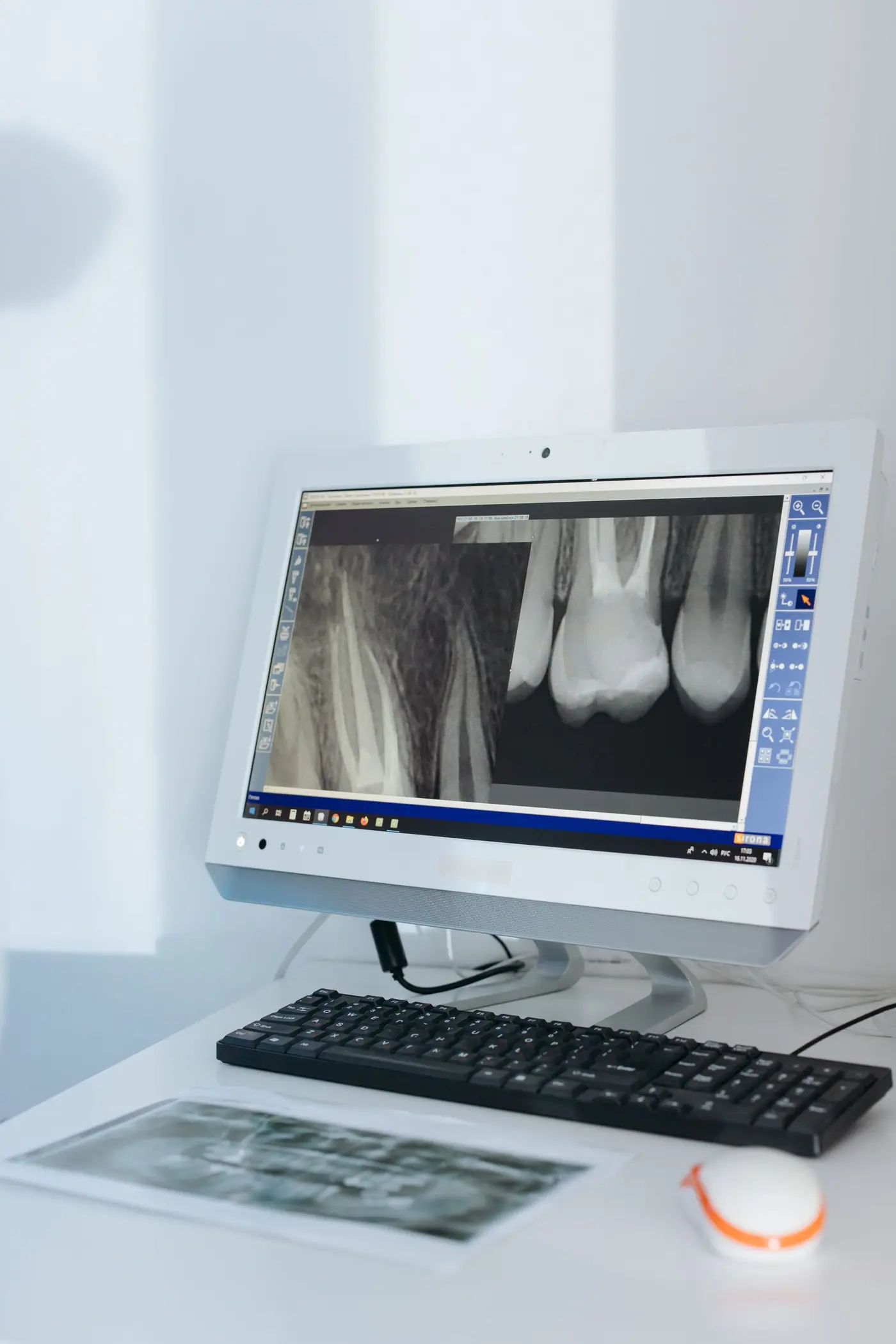
- Examination and X-ray: the extent of the infection and the shape of the roots are assessed.
- Local anaesthesia, so you feel no pain during treatment.
- Access: the inflamed tissue is removed through a small opening in the crown of the tooth.
- Cleaning the canals: special instruments and rinsing solutions clean and disinfect the root canals.
- Intracanal medication (if needed): with an existing infection, medication in the canal helps reduce remaining bacteria – followed by a second session.
- Root filling: the canals are sealed with a biocompatible material.
- Filling or crown: the tooth is finally restored to stabilise it.
What to expect afterwards
Mild discomfort or tenderness when chewing may occur for a few days, especially if there was inflammation beforehand. This is usually temporary.
- take medication only as recommended by your dentist
- avoid chewing hard food on the tooth while it only has a temporary filling
- keep brushing and cleaning between your teeth as usual
- attend follow-up appointments and have the tooth permanently restored in good time
- contact the practice if pain or swelling increases
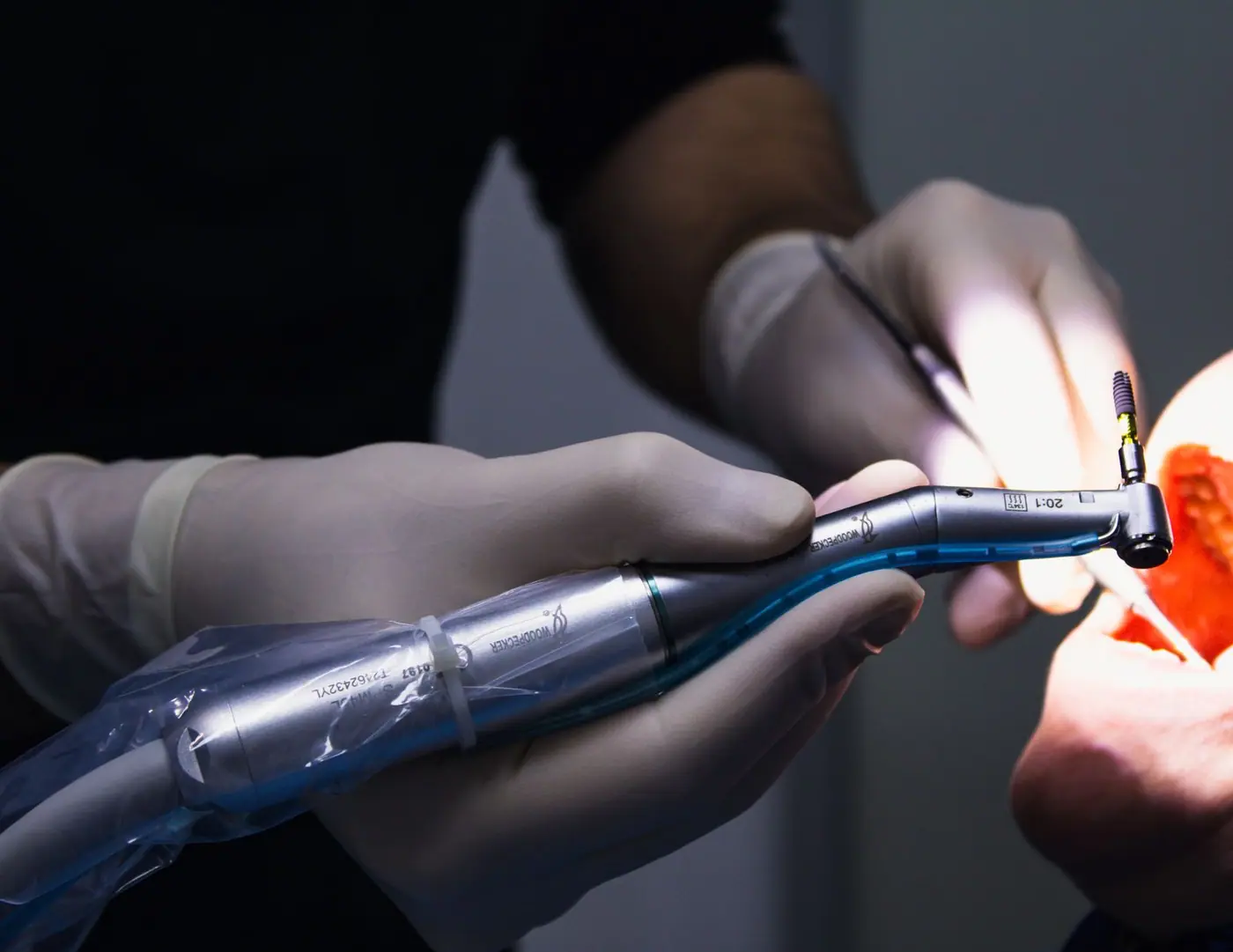

Dr. Coşkun studied dentistry at Charité – Universitätsmedizin Berlin (graduated 2000) and worked as a dentist in Germany for around 20 years. He has placed more than 10,000 implants and now practises in Istanbul with a focus on implant dentistry.
Frequently asked questions
Is root canal treatment painful?
It is carried out under local anaesthesia; once it takes effect you usually feel no pain. The tooth may be tender for a few days afterwards.
Why medication inside the tooth between appointments?
With an existing infection, the intracanal medication helps reduce remaining bacteria and supports successful treatment. The tooth is then permanently filled in a second session.
What happens if I delay treatment?
The infection can progress. Even if the pain eases for a while, the cause remains – so have the tooth examined.
Can I eat normally afterwards?
Usually yes, once the anaesthesia has worn off. Avoid hard or sticky food until the tooth has been permanently restored.
Diesen Artikel auf Deutsch lesen →
This article is for general information and does not replace a personal examination. Whether and which treatment is suitable for you can only be assessed after examination and a consultation.
You might also be interested in
 Treatment
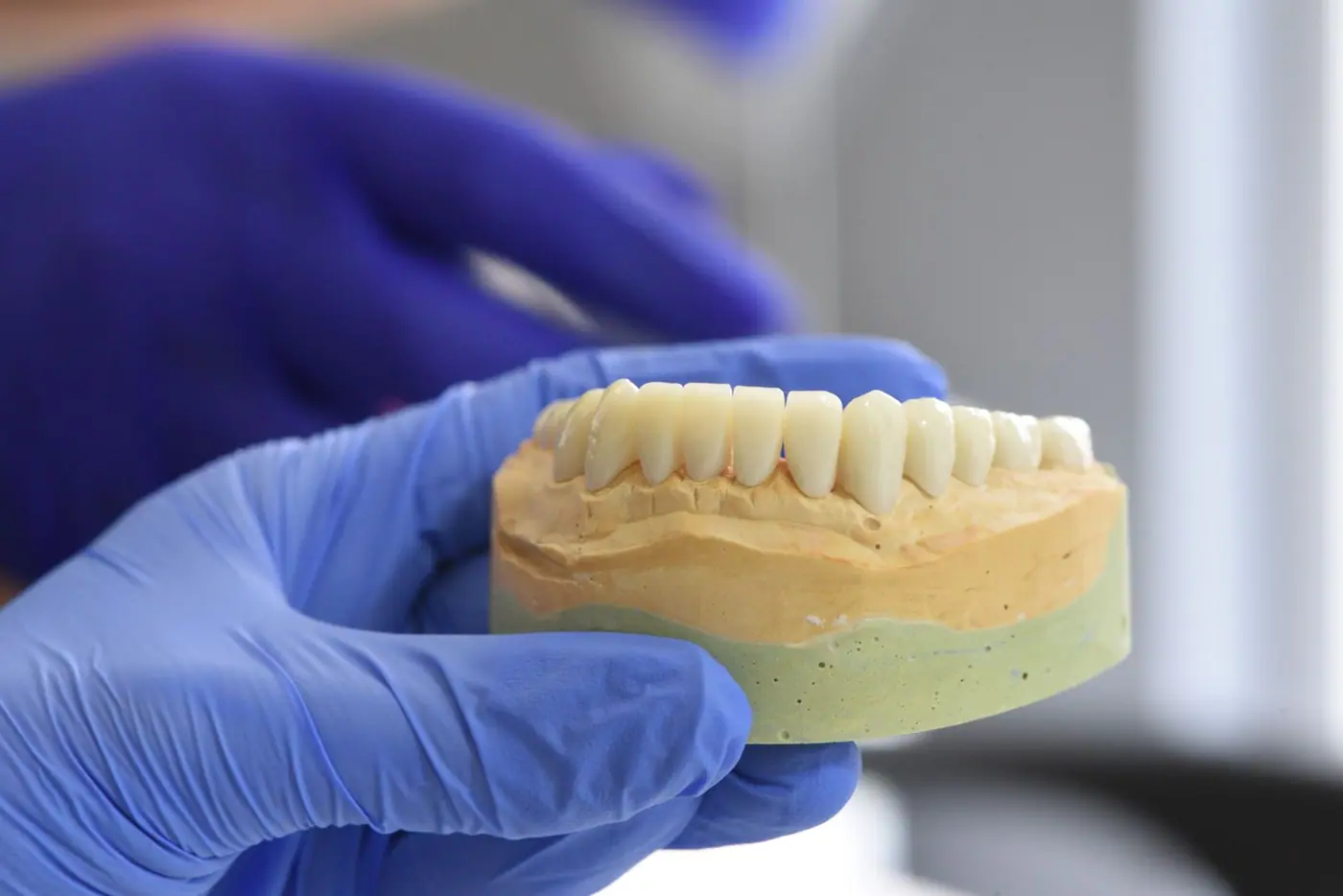
All-on-4 dental implants: a fixed solution for missing teeth – who is it for?
A full arch of fixed teeth on just four implants per jaw. How the concept works, who it suits, what the treatment involves and what it is not designed for.
 Treatment
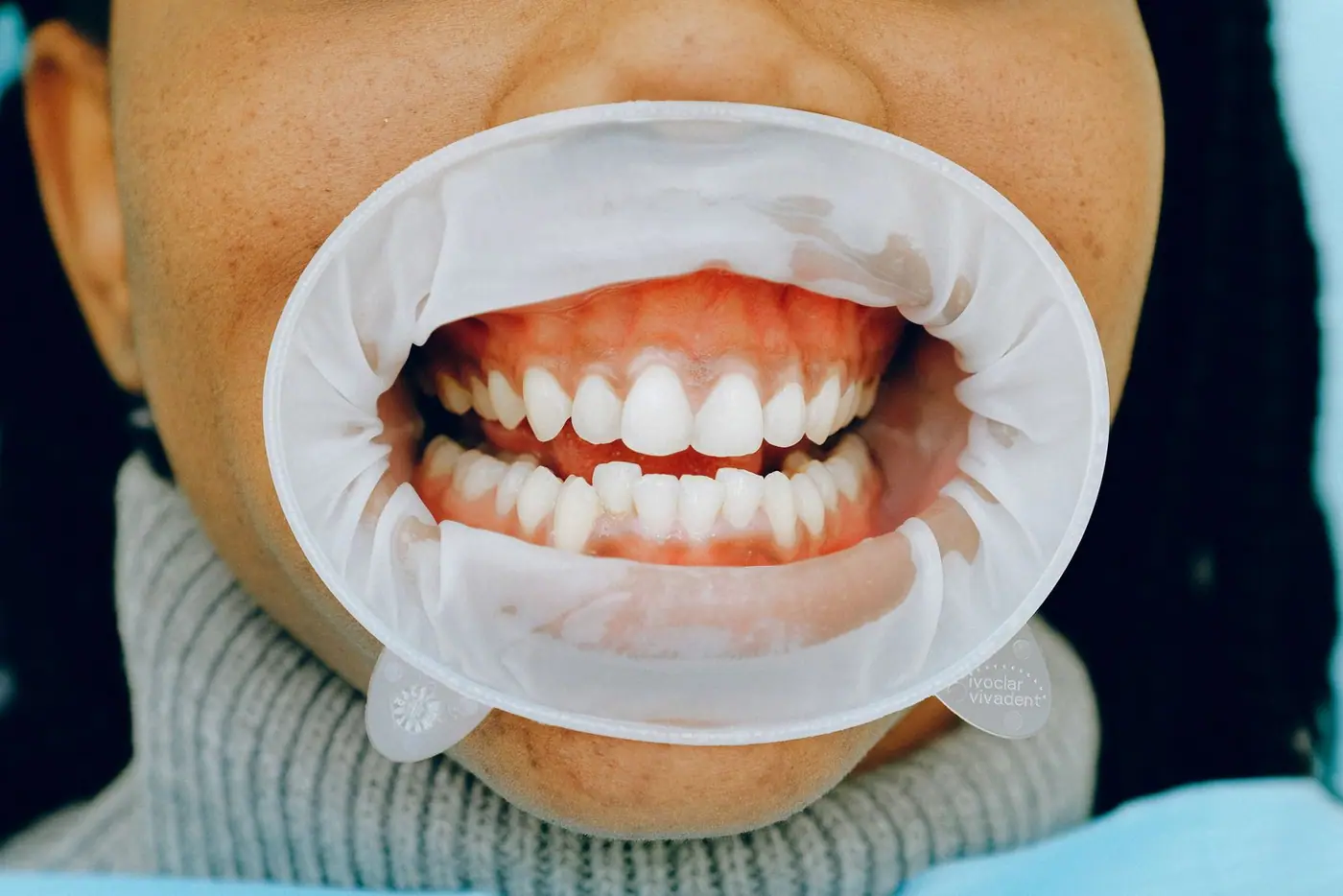
Peri-implantitis: how to spot inflammation around an implant early – and prevent it
Inflammation of the surrounding tissue is the most common late complication of implants. What studies say about frequency and risk – and what you can do yourself.
 Treatment
How long does a dental implant last? What 10- and 20-year studies show
“Will an implant last a lifetime?” Long-term studies give the honest answer. We explain the figures – and why survival is not the same as success.