Tooth Extraction
 Dr. med. dent. Hasan Coşkun · Co-founder of LHC Clinic
7 min read · Deutsch
Tooth extraction means removing a tooth that can no longer be saved or that puts the surrounding teeth, gums or jawbone at risk. At LHC Dental in Istanbul, every extraction is planned individually, with a clear explanation of what will happen, how the area will heal and how the gap can be restored later.
What Is Tooth Extraction and Why Might It Be Necessary?
A tooth extraction is the removal of a tooth from its socket in the jawbone. Keeping your natural tooth is always the first goal, so extraction is usually considered only when a filling, root canal treatment or another restoration is no longer a realistic option.
How cavities can lead to extraction
Many extractions start with a small cavity. Bacteria in dental plaque feed on sugars and produce acids that gradually dissolve the enamel. If this is not treated, the decay spreads into the softer dentin underneath and eventually reaches the pulp, the inner tissue with nerves and blood vessels. At that stage the tooth often becomes painful or infected. Root canal treatment can save many of these teeth, but when the decay has destroyed too much of the tooth or reaches below the gum and bone level, the tooth may not be restorable.
Common reasons for extraction
- Advanced decay: The tooth is so badly broken down that it cannot be restored with a filling, root canal treatment or crown.
- Infection and root lesions: An infection at the tip of the root can form a lesion in the bone. If it does not heal after root canal treatment, or if the root itself is damaged, removing the tooth may be the safer option.
- Cysts: A fluid-filled cyst can develop around the root of an infected tooth or around an impacted wisdom tooth. Over time it can enlarge and weaken the surrounding bone, so the tooth is often removed together with the cyst.
- Trauma: A tooth that is cracked vertically or fractured deep below the gum line after an accident often cannot be repaired.
- Advanced gum disease: When the bone supporting a tooth has been lost, the tooth may become very loose.
- Orthodontic reasons: In some cases a tooth is removed to create space and allow the remaining teeth to be aligned properly.
- Impacted teeth: Wisdom teeth that cannot erupt fully may cause repeated inflammation, pain, cysts or damage to the neighbouring tooth.

Types of Tooth Extraction
Your dentist will decide which type of extraction is appropriate after a clinical examination and an X-ray.
Simple extraction
A simple extraction is used for a tooth that is fully visible in the mouth and has roots that can be removed in one piece. Typical examples are a front tooth broken down by decay, a loose tooth affected by gum disease, or a tooth removed for orthodontic reasons.
- Examination and X-ray: The dentist checks the tooth, the shape of its roots and the surrounding bone.
- Local anaesthesia: The area is numbed so that you feel pressure but no sharp pain.
- Loosening: Special instruments gently widen the socket and loosen the tooth.
- Removal and cleaning: The tooth is lifted out and the socket is cleaned. Gauze is placed to help a blood clot form.
Surgical extraction
A surgical extraction is needed when the tooth cannot be reached or removed in one piece. Examples include an impacted wisdom tooth lying partly or fully under the gum or bone, a tooth that has broken off at the gum line, a tooth with long, curved or spread-out roots, or a tooth with a cyst around it.
- Anaesthesia: Usually local anaesthesia; sedation or general anaesthesia may be discussed in selected cases.
- Access: A small incision is made in the gum and, if necessary, a little bone is removed to expose the tooth.
- Sectioning: The tooth may be divided into smaller parts so it can be removed with less force on the surrounding bone.
- Cleaning and stitches: Any infected tissue or cyst is removed, the area is cleaned and the gum is closed with stitches.
Recovery after a surgical extraction usually takes longer than after a simple one.
What to Do After a Tooth Extraction
Each of these steps protects the blood clot, which acts as a natural bandage over the socket and is the foundation for healing.
- Bite on the gauze for about 30 minutes. Steady pressure helps the bleeding stop and allows the clot to form.
- Wait until the anaesthesia has worn off before eating. While your lip, cheek and tongue are numb, it is easy to bite them without noticing.
- Eat soft, lukewarm foods for the first days. Soups (not hot), yoghurt and mashed foods put little pressure on the area and are less likely to disturb the clot.
- Use a cold compress on your cheek during the first 24 hours. Short intervals of cooling from the outside help limit swelling and discomfort.
- Take your medication as prescribed. Painkillers keep you comfortable; if antibiotics are prescribed, completing the course helps prevent infection.
- Brush gently, including near the area. Keep cleaning your other teeth as usual and brush carefully around the extraction site with a soft toothbrush from the next day. A clean mouth reduces bacteria, but scrubbing the socket could dislodge the clot.
- Rest and keep your head slightly raised. This helps reduce bleeding and swelling, especially on the first night.
What to Avoid After a Tooth Extraction
- Cigarettes, alcohol and other substances: Smoking, vaping, nicotine products, alcohol and recreational drugs reduce blood flow, slow healing and raise the risk of infection and dry socket. Avoid them for as long as your dentist advises, ideally at least several days.
- Very hot foods and drinks: Heat can restart bleeding and dissolve the clot.
- Very cold foods and drinks: Ice-cold drinks or ice cream can irritate the fresh wound and cause sensitivity in the area. Lukewarm or cool is best.
- Straws, spitting and forceful rinsing: The suction and pressure can pull the clot out of the socket. Avoid them for at least the first 24 hours.
- Touching the area: Keep fingers and tongue away from the socket.
- Strenuous activity: Heavy lifting and intense exercise raise blood pressure and can cause renewed bleeding during the first days.
Healing Period
Healing is different for everyone. It depends on the type of extraction, the size of the tooth, your general health, whether you smoke and how closely you follow the aftercare instructions. As a general guide:
- First 24 hours: Bleeding stops and a blood clot forms.
- Around 2–4 days: Swelling and discomfort usually begin to ease.
- Around 7–10 days: Stitches dissolve or are removed and the gum begins to close.
- Several weeks: The gum heals over the socket.
- A few months: The bone underneath continues to fill in and remodel.
If you notice severe or increasing pain, bleeding that does not stop, fever or a bad taste and swelling that get worse, contact your dentist.
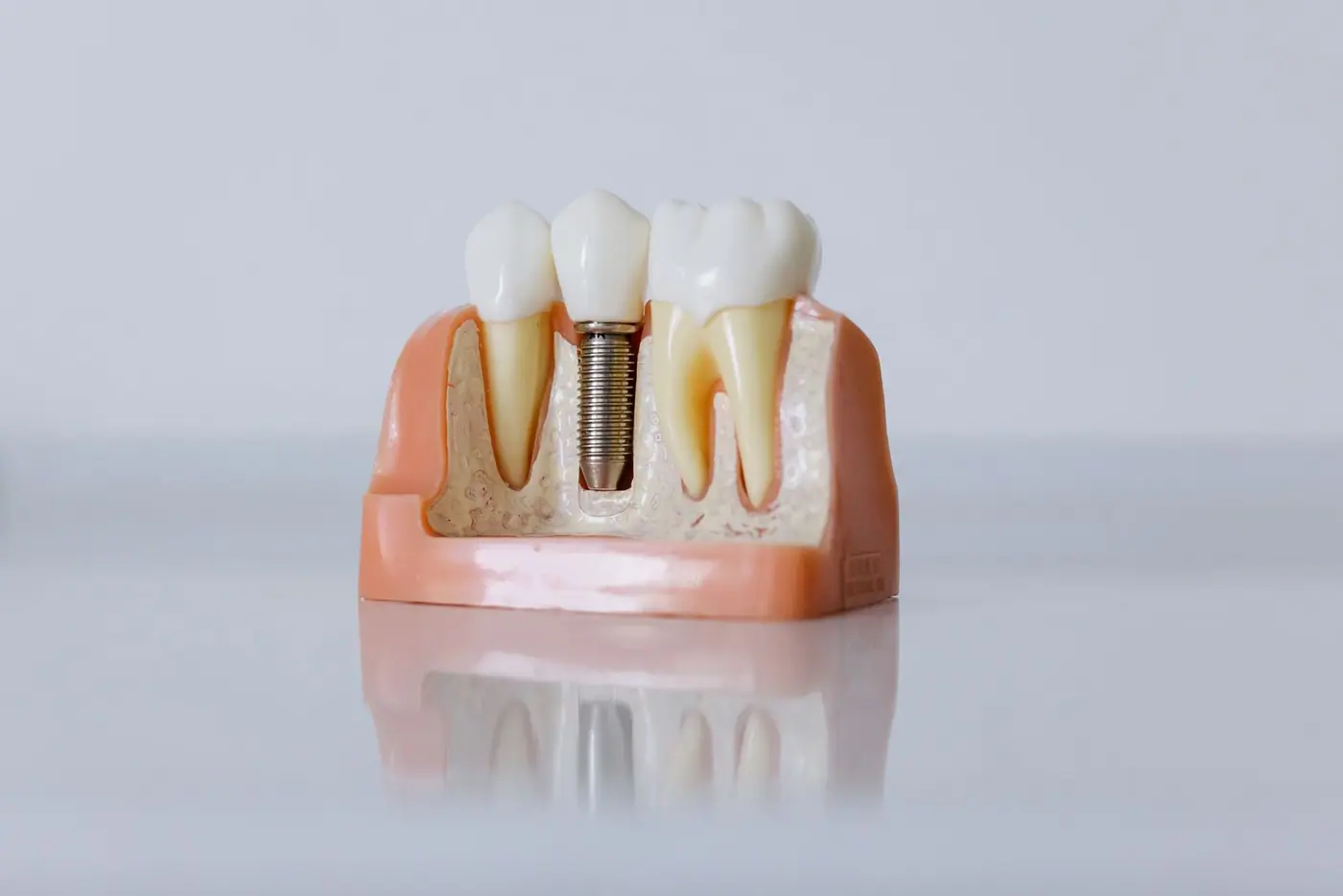
Replacing the Missing Tooth
Unless the tooth was a wisdom tooth or was removed for orthodontic reasons, it is usually advisable to replace it. A gap can cause neighbouring teeth to tilt, the opposing tooth to over-erupt, chewing to become uneven and the jawbone to shrink over time. Options include a dental implant, a bridge or a removable denture. An implant is often placed once the area has healed, typically after a few months; in some cases it can be placed at the time of extraction, and sometimes bone grafting is needed first. Your dentist at LHC Dental can discuss these options with you before the extraction, so the treatment can be planned as a whole.
Frequently Asked Questions
Will I feel pain during the tooth extraction?
Local anaesthesia numbs the area, so you should feel pressure and movement but not sharp pain. Once the anaesthesia wears off, some soreness is normal for a few days and can usually be managed with the painkillers your dentist recommends.
When can I eat after the extraction?
Wait until the numbness has completely worn off, which usually takes a few hours. Then start with soft, lukewarm foods and chew on the other side for the first days.
How long does recovery take?
After a simple extraction, most people feel comfortable within about a week. After a surgical extraction, recovery usually takes one to three weeks. Healing time varies from person to person, and full bone healing takes longer.
What happens if the blood clot is disturbed?
If the blood clot is lost or dissolves too early, the bone inside the socket is left exposed. This is called dry socket (alveolar osteitis). It typically causes throbbing pain two to four days after the extraction, often spreading towards the ear, together with a bad taste or smell, and the socket may look empty. Dry socket is not usually dangerous, but it is painful and slows healing. Your dentist will gently clean the socket and may place a soothing medicated dressing; the pain usually improves within a short time after treatment. Avoiding smoking, straws, spitting and forceful rinsing greatly reduces the risk.
Do I need to replace an extracted tooth?
Not always, for example after removing a wisdom tooth. For most other teeth, replacement with an implant, bridge or denture is recommended to protect your bite and jawbone. Your dentist will advise you on the best option and timing for your situation.
This page is for general information and does not replace a personal examination. Whether a treatment is suitable for you can only be assessed after an examination and consultation.