Dental Filling
 Dr. med. dent. Hasan Coşkun · Co-founder of LHC Clinic
5 min read · Deutsch
A dental filling repairs a tooth damaged by decay or a minor fracture, restoring its shape and function before the problem grows. At LHC Dental in Istanbul, fillings are planned to suit each tooth, with the material and procedure explained to you in advance.
What Is a Dental Filling?
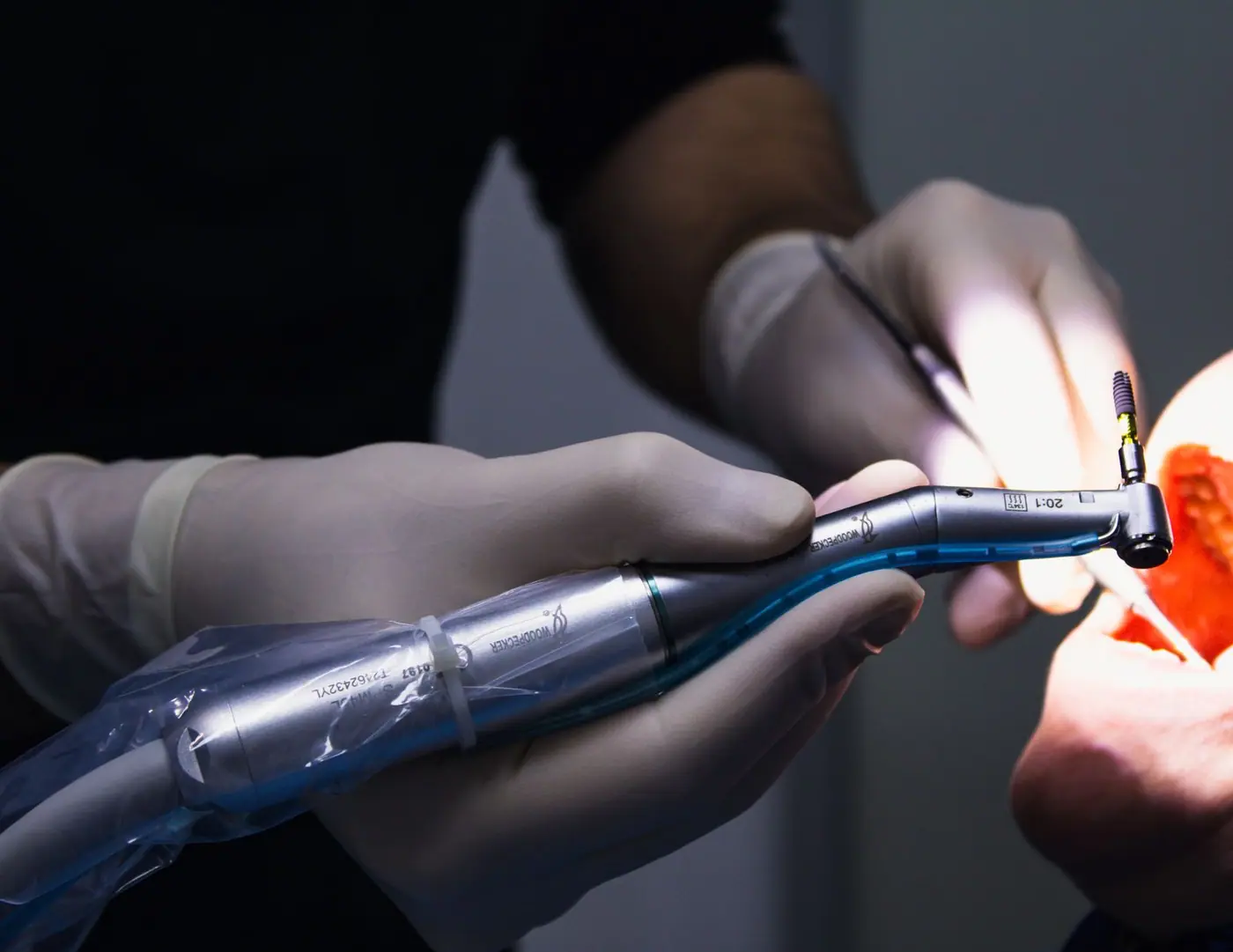
A dental filling is a restoration used to repair a tooth that has been damaged by a cavity or by physical trauma, such as a chipped edge. The dentist first removes the decayed or broken part of the tooth and cleans the area. The resulting space is then filled with a suitable material that is shaped to match the original form of the tooth, so that you can bite and chew normally again and the surface can be kept clean.

Why Are Dental Fillings Important?
Decay does not heal on its own. Once a cavity has formed, bacteria continue to break down the tooth, moving from the outer enamel into the softer dentin and eventually towards the pulp, the inner tissue with nerves and blood vessels. Treating a cavity at an early stage with a filling stops this process while the damage is still small.
A timely filling can:
- Stop decay from spreading deeper into the tooth, where it could cause pain or infection.
- Help avoid more extensive treatment, such as root canal treatment, a crown or extraction.
- Restore chewing function and protect the tooth from further breakage.
- Close gaps where food and plaque collect, making the tooth easier to clean.
- Restore the appearance of a damaged or discoloured tooth, especially with tooth-coloured materials.
Types of Dental Fillings
Fillings are classified by the material used. Your dentist will recommend the most suitable option based on the size and location of the cavity, your bite and your aesthetic expectations.
- Amalgam fillings: A mixture of silver, mercury, copper and other metals. They are very durable and were traditionally used for back teeth, but their silver colour makes them unsuitable for visible areas. Their use has declined significantly and is now heavily restricted in the EU, with tooth-coloured materials preferred in most cases.
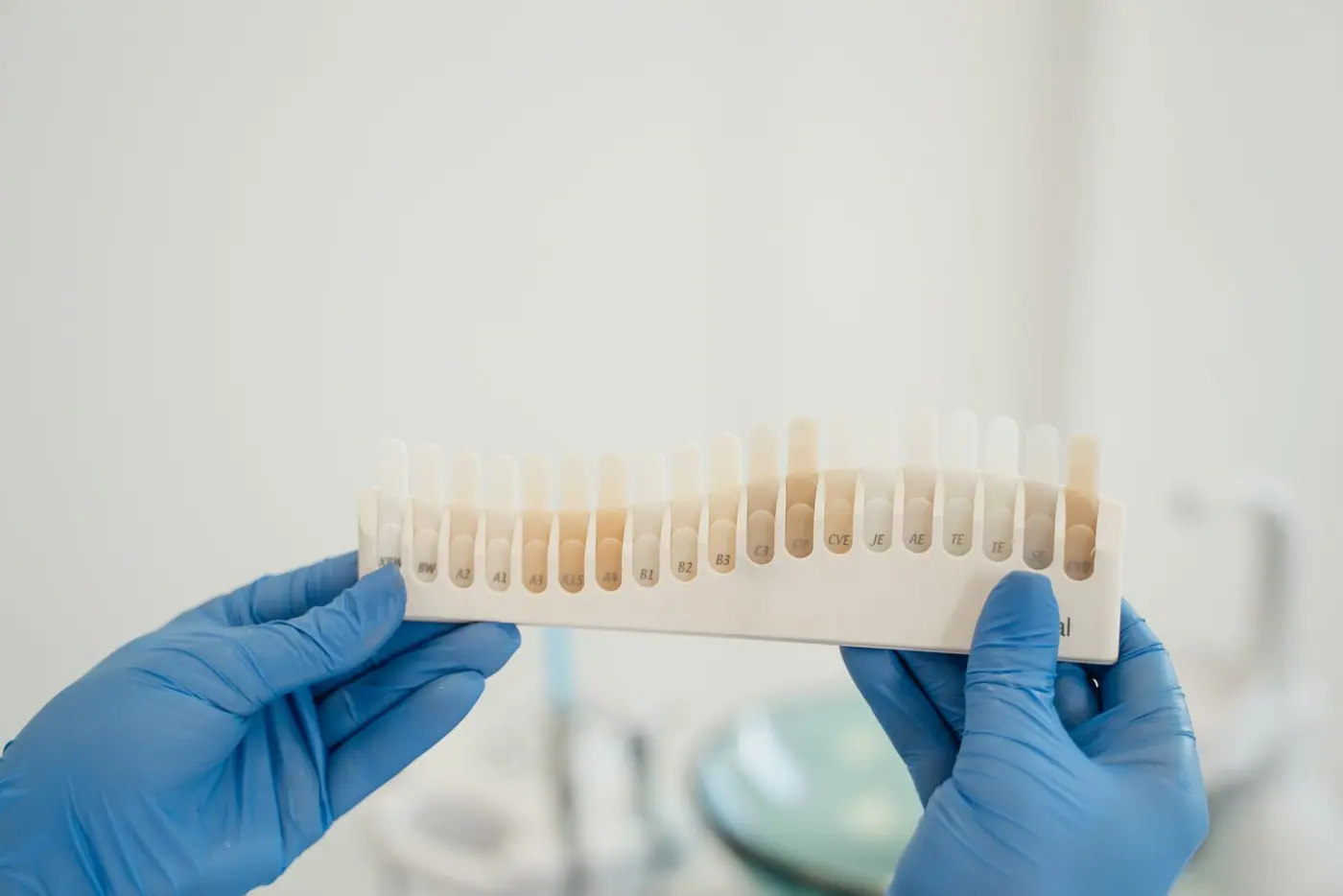
- Composite resin fillings: Tooth-coloured materials that blend with the natural shade of your teeth. They are suitable for front and back teeth, bond directly to the tooth and contain no metal, although they can wear or discolour slightly over time.
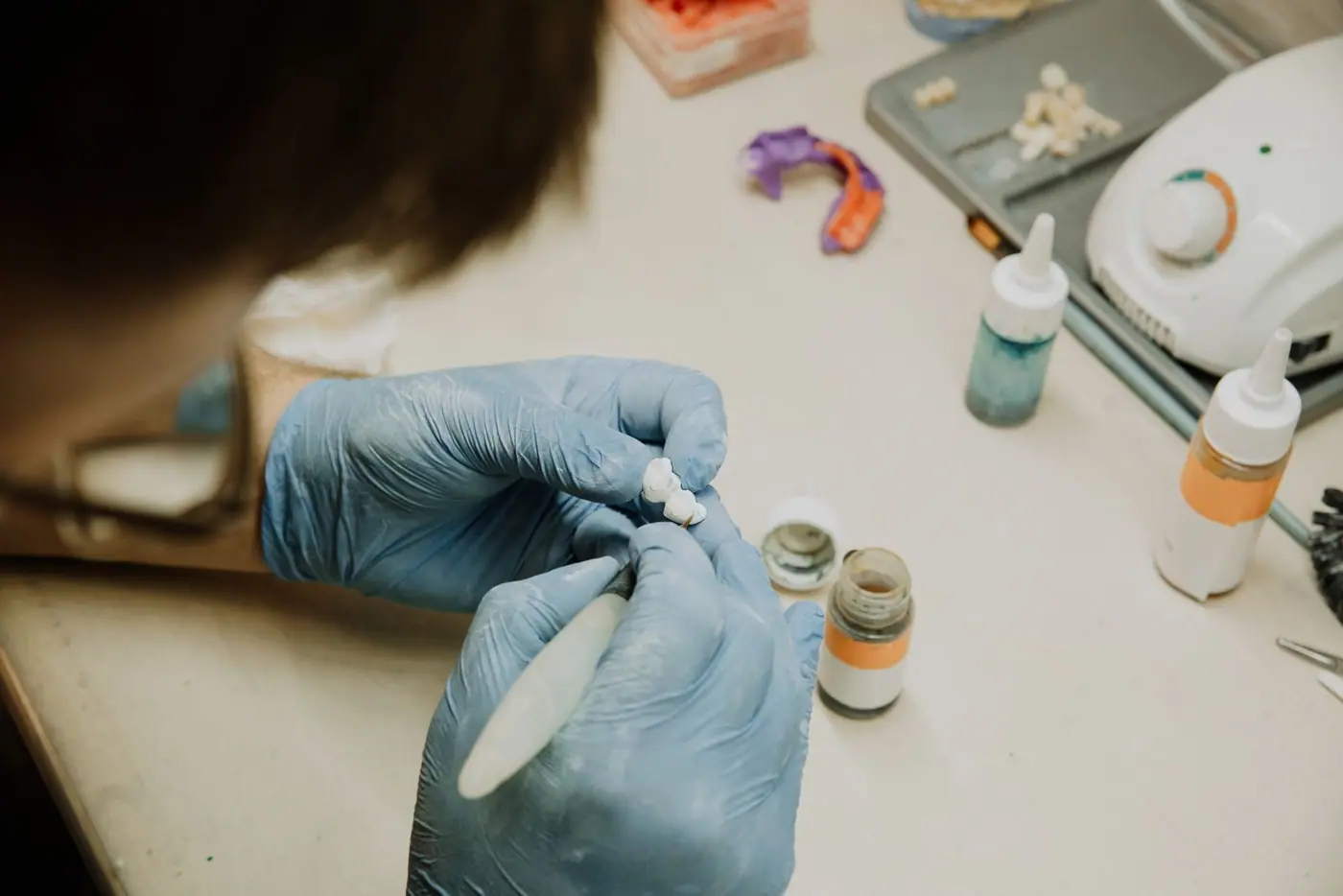
- Porcelain fillings (inlays and onlays): Made to measure from ceramic and bonded into the tooth. They are highly aesthetic, resistant to staining and long-lasting, and are often chosen for larger cavities in back teeth.
- Gold fillings: Extremely durable and gentle on opposing teeth, often lasting many years. Because of their colour, they are rarely used for visible teeth.
- Glass ionomer fillings: These release fluoride, which helps protect the tooth from further decay. They are mainly used for small cavities, areas near the gum line and children's teeth.
How Is a Dental Filling Placed?
- Examination and diagnosis: Your dentist examines the tooth and, if needed, takes an X-ray to see how far the decay or damage extends.
- Local anaesthesia: The tooth is numbed so that the procedure is comfortable. For very small, shallow cavities this is sometimes not necessary.
- Removing the decay: The decayed or damaged tissue is carefully removed with special instruments, preserving as much healthy tooth as possible.
- Placing the filling: The chosen material is applied to the prepared tooth. Composite is built up in layers and hardened with a special light; inlays and onlays are made to measure and bonded in place at a second appointment.
- Shaping and polishing: The filling is shaped to fit your bite and polished for a smooth, natural finish.
Aftercare Following a Filling
- Wait until the anaesthesia has worn off before eating. While your lip, cheek and tongue are numb, it is easy to bite them without noticing, and hot drinks can cause burns.
- Be careful with very hot and cold foods. Some temporary sensitivity is normal in the first days and usually fades on its own.
- Avoid very hard and sticky foods at first. Nuts, hard sweets and toffees put extra strain on a new filling.
- Keep up good oral hygiene. Brush twice a day, clean between your teeth daily and attend regular check-ups, ideally twice a year, so that your fillings stay in good condition.
If your bite feels high or uneven after the numbness has worn off, or if sensitivity increases instead of easing, contact your dentist so the filling can be checked and adjusted.
Fillings at LHC Dental
At LHC Dental, a filling starts with a careful diagnosis, so that the size of the cavity is known before treatment and you understand whether a direct filling, an inlay or another restoration is the better option for your tooth. Your dentist explains the materials available for your case and why one is recommended over another. Healthy tooth structure is preserved wherever possible, and each filling is checked against your bite before you leave. If several teeth need attention, the treatment can be planned together, which is helpful for patients visiting Istanbul for a limited time.
Frequently Asked Questions
How long do dental fillings last?
The lifespan of a filling depends on the material, its size, the forces it is exposed to and your oral hygiene. As a rough guide, composite fillings often last around 5–10 years or more, while amalgam, gold and ceramic restorations can last longer. Regular check-ups help detect wear or new decay at the edges early.
Will I feel pain during the filling procedure?
Local anaesthesia is used when needed, so the procedure is usually comfortable. Mild sensitivity to temperature or pressure may occur for a few days afterwards.
Which filling material is the best?
There is no single best material for everyone. The right choice depends on the location and size of the cavity, the forces in your bite and your aesthetic preferences. Your dentist will recommend the most suitable option for your situation.
Can an old filling be replaced?
Yes. Fillings that are worn, cracked, leaking or discoloured can be replaced. Your dentist will assess whether a new filling is enough or whether a larger restoration, such as an inlay, onlay or crown, would protect the tooth better.
This page is for general information and does not replace a personal examination. Whether a treatment is suitable for you can only be assessed after an examination and consultation.