Restorative Dentistry
 Dr. med. dent. Hasan Coşkun · Co-founder of LHC Clinic
6 min read · Deutsch
Restorative dentistry is dedicated to repairing, replacing and strengthening teeth that are damaged, decayed or missing. Whether you are dealing with a cavity, a broken tooth or the loss of several teeth, restorative treatments aim to bring back both the function and the appearance of your smile while protecting your long-term oral health.
Modern materials and techniques allow restorations to look natural and, with good care, to last for many years, helping you chew, speak and smile with confidence again.
What Is Restorative Dentistry?
Restorative dentistry includes all the procedures that restore the structure and appearance of damaged or missing teeth. It treats problems caused by decay, wear, trauma or tooth loss, and replaces missing teeth with durable, natural-looking solutions. Treatments range from a simple filling to crowns, bridges, implants and dentures.
The aim of every restoration, from a single crown to a full bridge, is to give you teeth that work well and look like your own. With that goal in mind, a carefully planned restorative treatment can help you achieve the comfortable, healthy and natural smile you want.
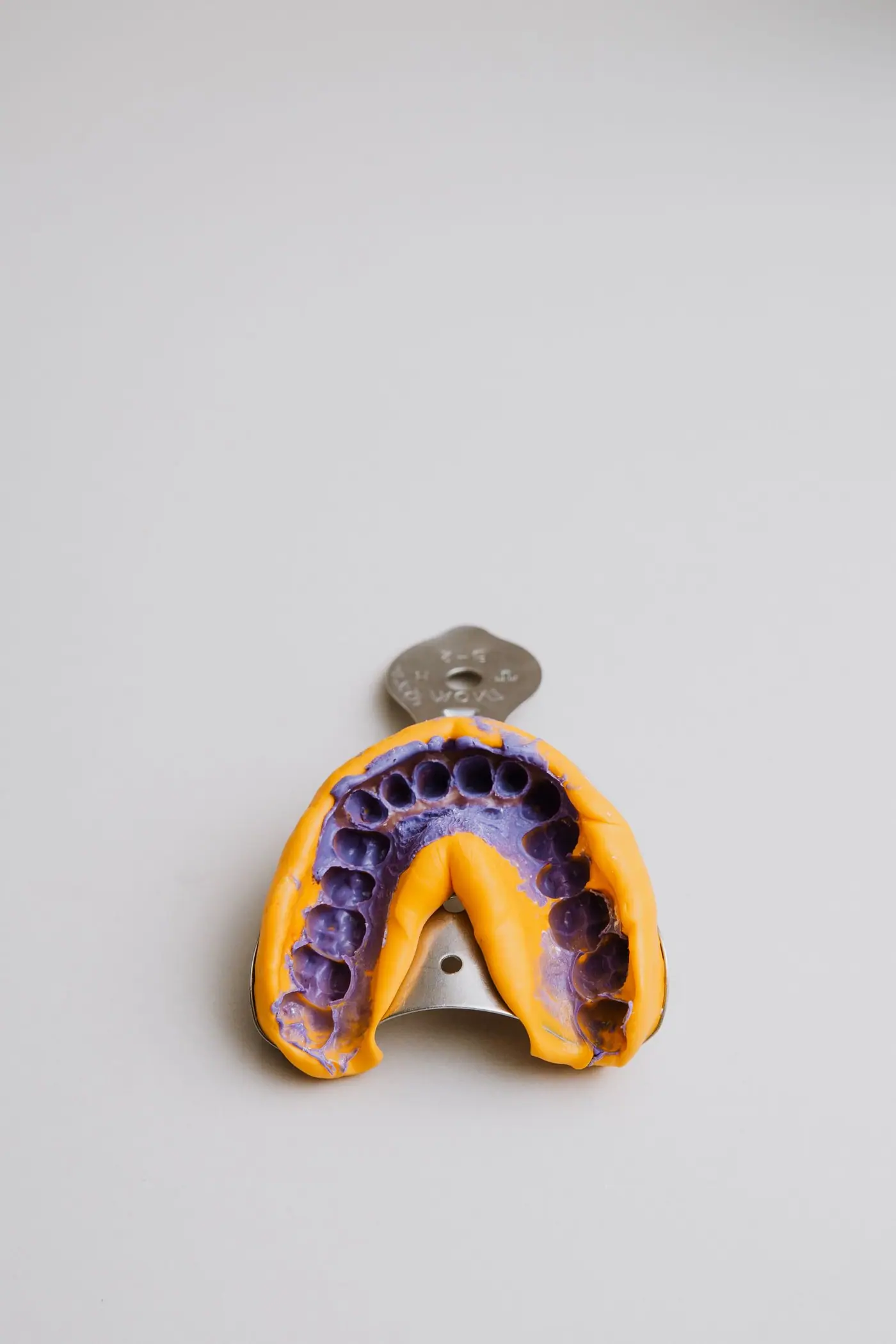
Common Restorative Procedures
- Fillings: repair cavities and restore the shape and strength of a tooth, usually with tooth-coloured composite or, for larger areas, ceramic inlays.
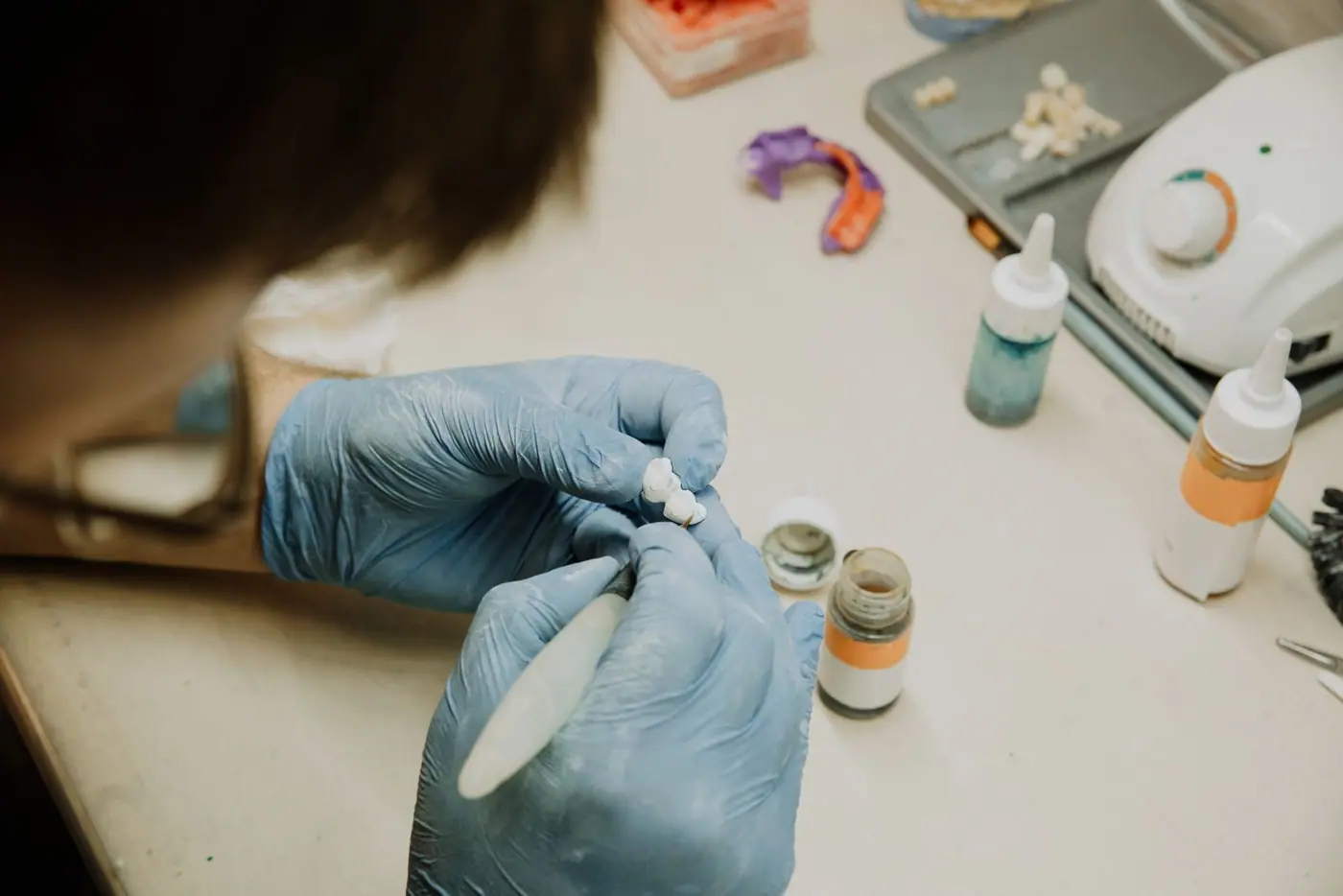
- Crowns: a cap that covers a weakened or heavily damaged tooth to restore its size, strength and appearance.
- Bridges: replace one or more missing teeth by anchoring artificial teeth to neighbouring teeth or implants.
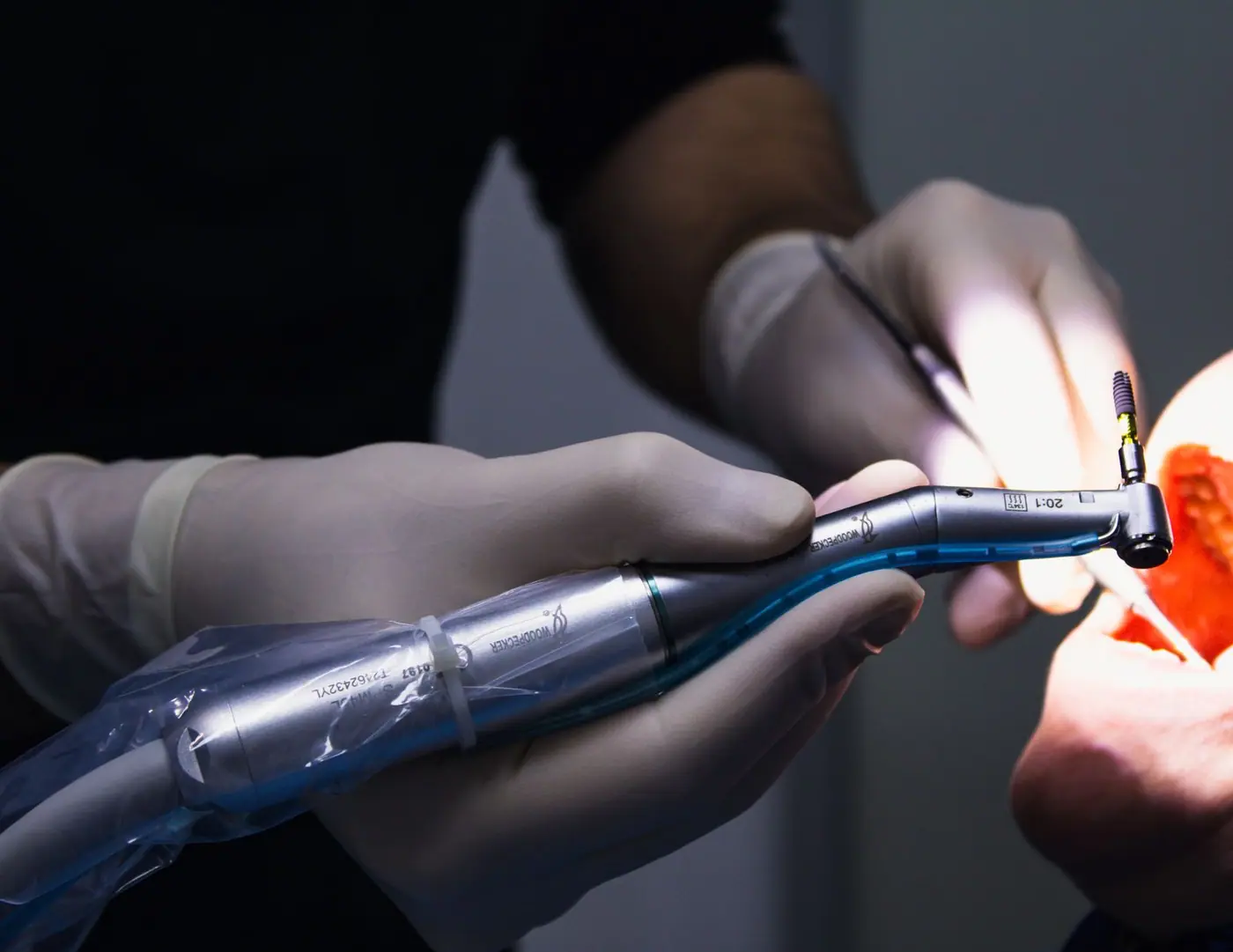
- Implants: small posts, usually made of titanium, placed in the jawbone to support a crown, bridge or denture.
- Dentures: removable appliances that replace several or all teeth, available as partial or full dentures.
- Root canal treatment: saves a badly decayed or infected tooth by removing the inflamed pulp and sealing the tooth from inside.
Benefits of Restorative Dentistry
The benefits go well beyond appearance:
- Better function: restored teeth make chewing, speaking and smiling comfortable again.
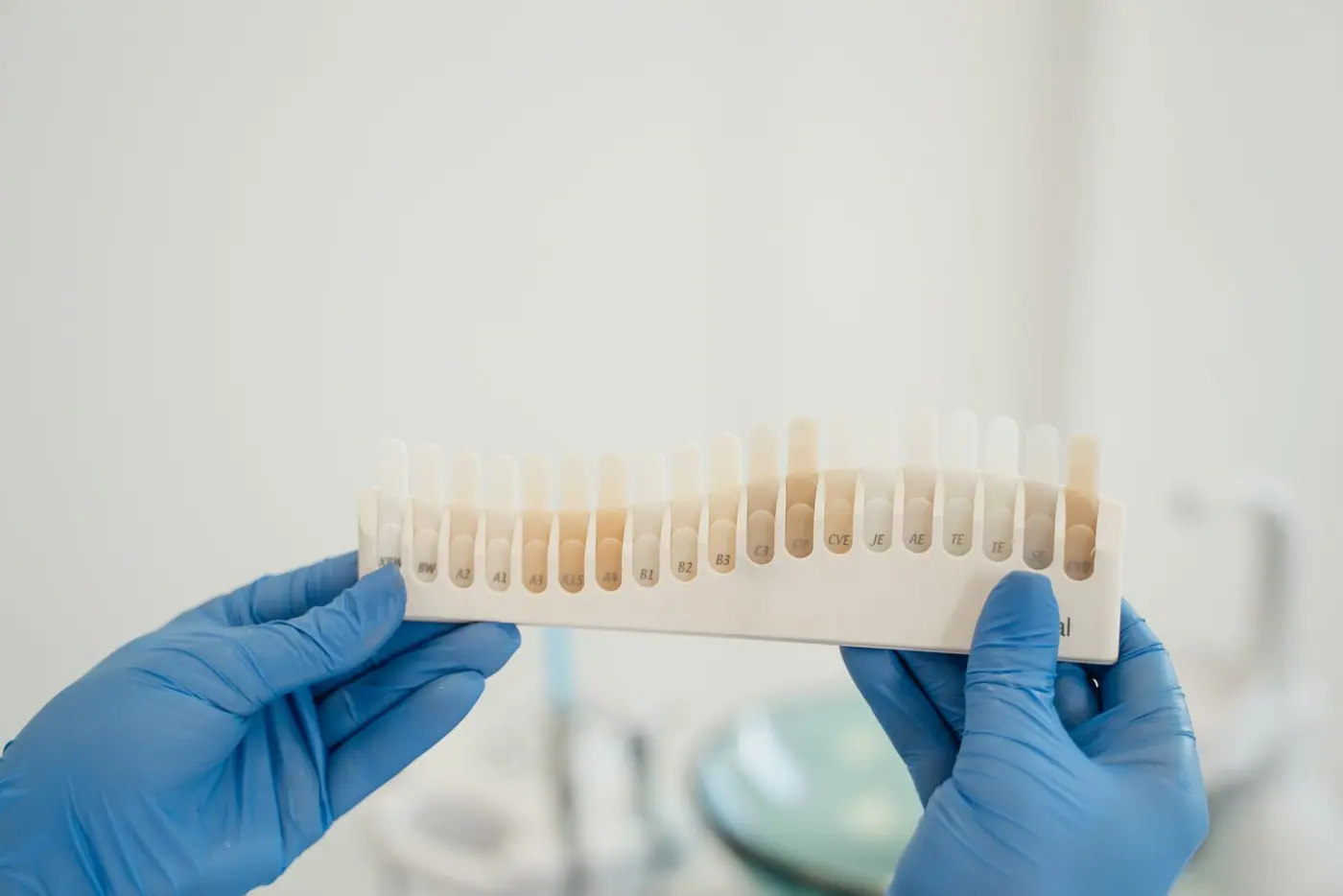
- Natural appearance: modern ceramics and composites can be closely matched to the colour and shape of your own teeth.
- Durability: most restorations are designed to last many years with good oral hygiene and regular check-ups.
- Preserving bone level: when a tooth is lost, the jawbone in that area gradually shrinks. Implants transmit chewing forces to the bone and help maintain its volume, and where bone has already been lost, bone grafting can often rebuild it before an implant is placed.
- A correct bite and jaw closure: missing or worn teeth can change the way your upper and lower jaws meet. Restoring the teeth helps re-establish a stable bite, distributes chewing forces evenly and supports the natural height of the lower face.
- Preventing orthodontic problems: when a gap is left open, neighbouring teeth tend to tilt or drift into it and the opposing tooth may over-erupt. Replacing missing teeth in good time helps keep the remaining teeth in position and avoids bite problems that might later need orthodontic correction.
- Preventing further damage: treating decay, cracks or missing teeth early can avoid more complex problems, such as infection, tooth loss or gum disease.
Dental Implants: A Long-Term Way to Replace Teeth
A dental implant replaces the root of a missing tooth. A small titanium post is placed in the jawbone, where it gradually bonds with the bone over a period of weeks to months; this process is called osseointegration. A crown, bridge or denture is then attached to the implant.
Implants feel stable when chewing, do not require the neighbouring teeth to be prepared, and help preserve the jawbone. Whether implants are suitable depends on your bone, gums and general health, which your dentist will assess.
Crowns and Bridges: Restoring Strength and Appearance
- Crowns cover teeth that are heavily decayed, cracked, worn or weakened after root canal treatment. They hold the tooth together, protect it from fracture and restore its natural shape.
- Bridges fill the gap left by one or more missing teeth by anchoring to the teeth or implants on either side. They restore chewing, support the lips and cheeks, and stop the surrounding teeth from shifting.
Full and Partial Dentures
Dentures are removable replacements for missing teeth.
- Full dentures are used when all teeth in an upper or lower jaw are missing. They restore chewing and appearance and support the facial profile.
- Partial dentures are used when some natural teeth remain. They fill the gaps and help prevent the remaining teeth from moving.
Dentures can also be attached to implants for more stability, which many patients find more comfortable than conventional dentures.
Root Canal Treatment: Saving Your Natural Tooth
When the pulp inside a tooth becomes inflamed or infected, root canal treatment can often save the tooth. The infected tissue is removed, the canals are cleaned and disinfected, and the tooth is sealed. Afterwards, the tooth is usually protected with a filling or crown. Keeping your natural tooth is generally preferable to extraction whenever this is possible.
Preventing Tooth Loss
Restorative dentistry is not only about replacing teeth that have already been lost. Treating problems early, such as small cavities, cracked teeth or failing restorations, protects the surrounding teeth and jawbone and helps prevent future tooth loss. Combined with good daily oral hygiene and regular check-ups, timely treatment helps keep your smile healthy for many years.
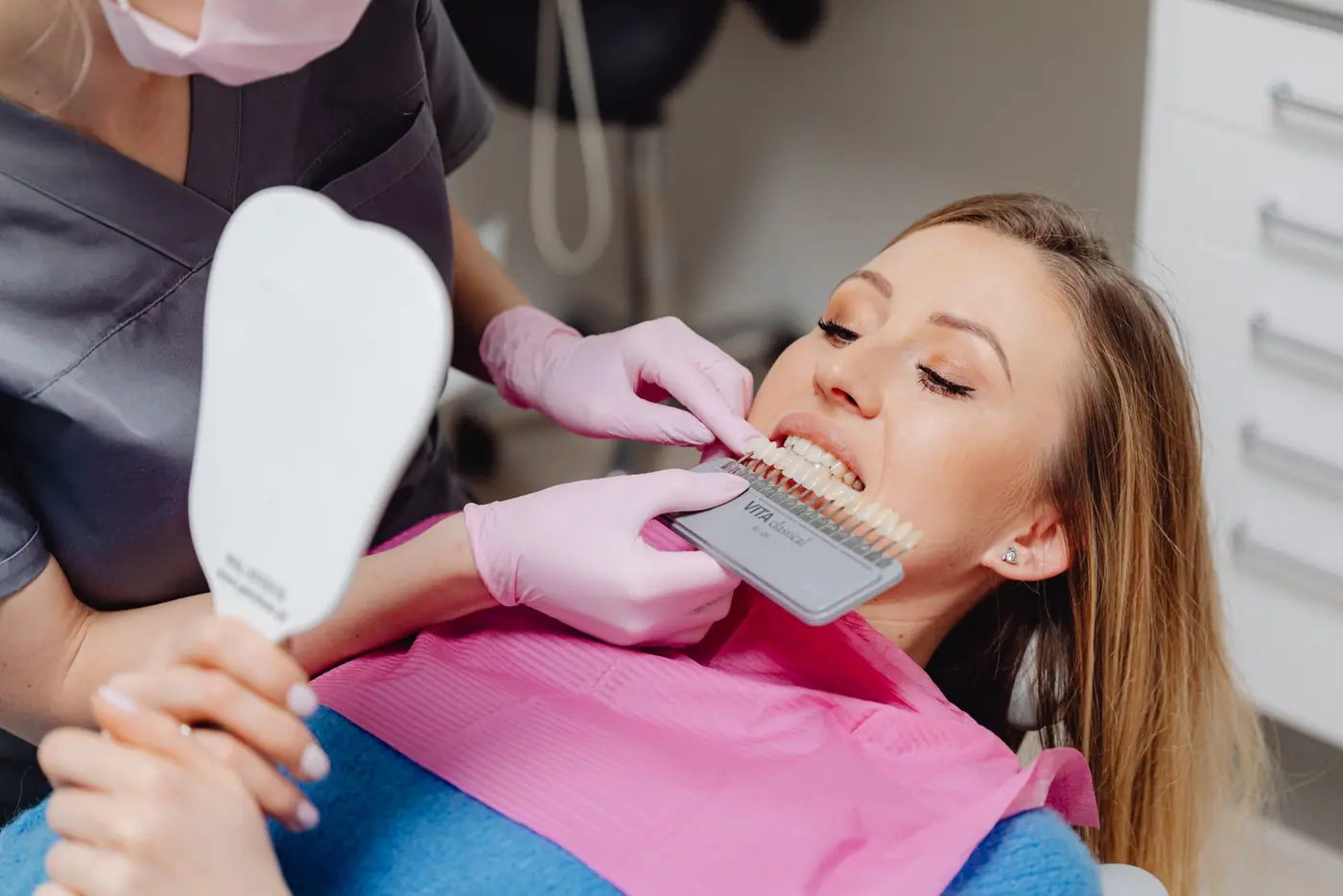
Choosing the Right Restorative Treatment at LHC Dental
The right treatment depends on the condition of your teeth and gums, your bone, your bite and your personal goals. There is rarely only one option, which is why a careful assessment comes first.
At LHC Dental in Istanbul, your treatment starts with a thorough examination, supported by digital X-rays and imaging where needed. Your dentist explains what they find, presents the suitable options with their advantages and limitations, and plans your treatment individually. Depending on your situation, this may include:
- Fillings for small cavities and minor damage
- Crowns to cover and protect weakened teeth
- Bridges to replace one or more missing teeth
- Implants to replace missing teeth and support the jawbone
- Dentures as removable solutions for several missing teeth
Every step is explained before it begins, and you receive clear aftercare instructions and follow-up, so you know how to look after your restorations in the long term.
Frequently Asked Questions
How long do restorations last?
It depends on the type of restoration, the material, your bite and how well you care for your teeth. Many crowns, bridges and implant restorations last for many years with good oral hygiene, regular check-ups and, if you grind your teeth, a night guard.
Is restorative treatment painful?
Most procedures are carried out under local anaesthesia, so you should feel little during treatment. Some sensitivity or tenderness afterwards is common and usually settles within a few days.
What happens if I leave a missing tooth unreplaced?
Over time, neighbouring teeth may tilt into the gap, the opposing tooth can over-erupt, the bite may change and the jawbone in that area gradually shrinks. Your dentist can explain the options for replacing the tooth.
When does numbness wear off after treatment?
Numbness from local anaesthesia usually fades within two to four hours, depending on the anaesthetic used, the area treated and your individual response. Avoid eating and hot drinks until full sensation has returned so you do not bite your cheek or burn yourself.
Should I choose an implant or a bridge?
Both are established options. An implant does not require the neighbouring teeth to be prepared and helps preserve the bone, while a bridge may be preferable if the adjacent teeth already need crowns or if implant surgery is not suitable. Your dentist will recommend what fits your situation.
This page is for general information and does not replace a personal examination. Whether a treatment is suitable for you can only be assessed after an examination and consultation.