Gum Curettage
 Dr. med. dent. Hasan Coşkun · Co-founder of LHC Clinic
6 min read · Deutsch
Gum curettage is a deep cleaning treatment beneath the gum line that removes tartar, bacteria and inflamed tissue, helping the gums heal and reattach to the teeth. At LHC Dental in Istanbul, it is planned after a careful gum examination and explained step by step, so you know what to expect before, during and after treatment.
What Is Gum Curettage and How Is It Done?
A non-surgical treatment for gum disease
Gum curettage is a non-surgical procedure used to treat gum disease. It cleans away plaque, hardened tartar and infected tissue from beneath the gums, in the space between the gum and the tooth root. It is usually carried out together with root planing, in which the root surfaces are smoothed so that bacteria find it harder to settle there again. Gum disease often starts with redness, swelling and bleeding gums, but if it is not treated, it can gradually destroy the tissues that hold the teeth in place and eventually lead to tooth loss. By removing the cause of the inflammation, gum curettage not only treats the gums but also helps protect the bone that supports your teeth.
How the procedure works
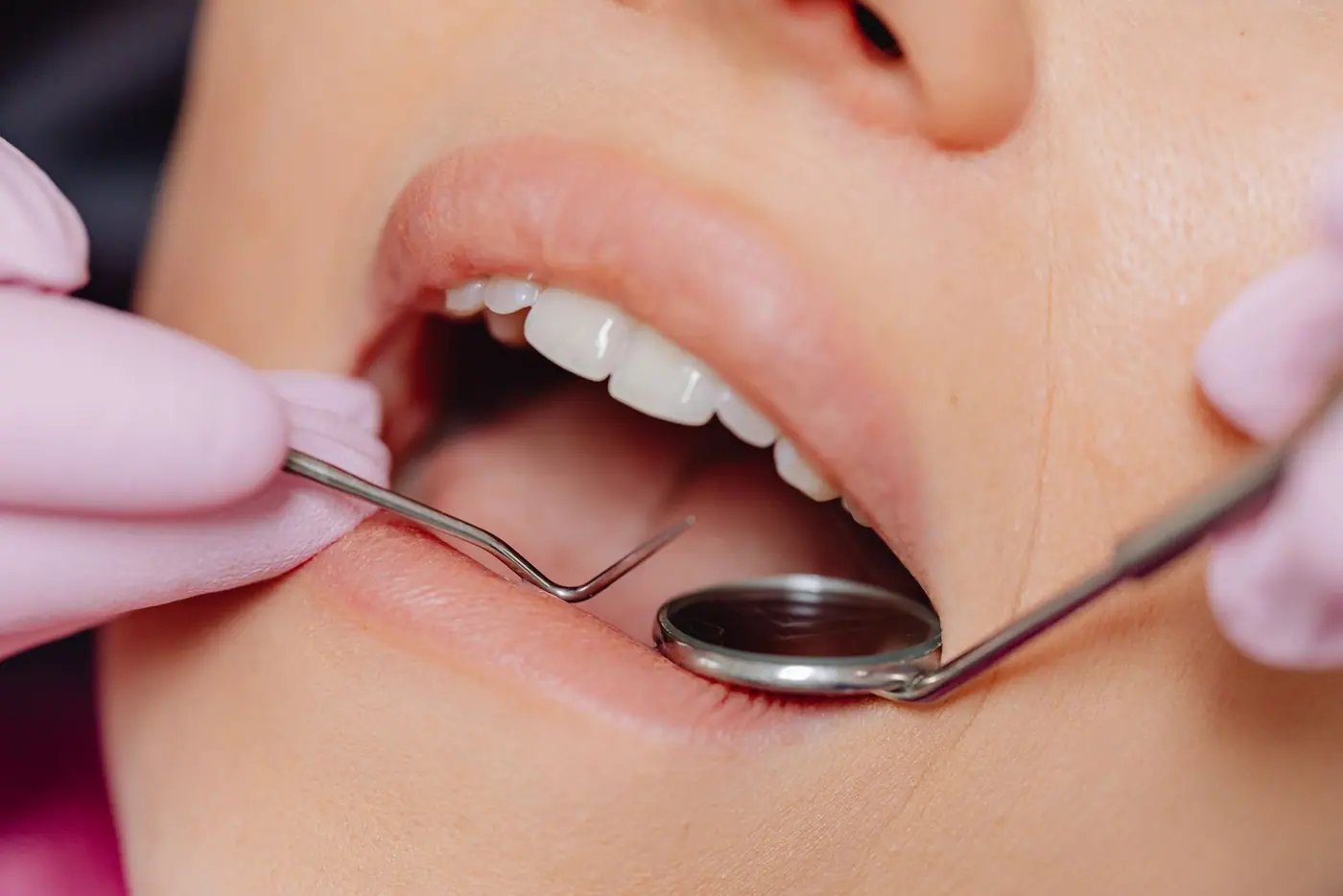
- Examination and assessment: Your dentist examines your gums and measures the depth of the spaces between the gums and teeth, known as periodontal pockets, with a fine probe. Healthy gums usually have shallow pockets of only a few millimetres; deeper pockets indicate disease. X-rays may be taken to check the bone level around the teeth.
- Local anaesthesia: The area being treated is numbed so that the cleaning is comfortable. Depending on how many areas need treatment, the mouth may be treated in one session or divided into sections over more than one visit.
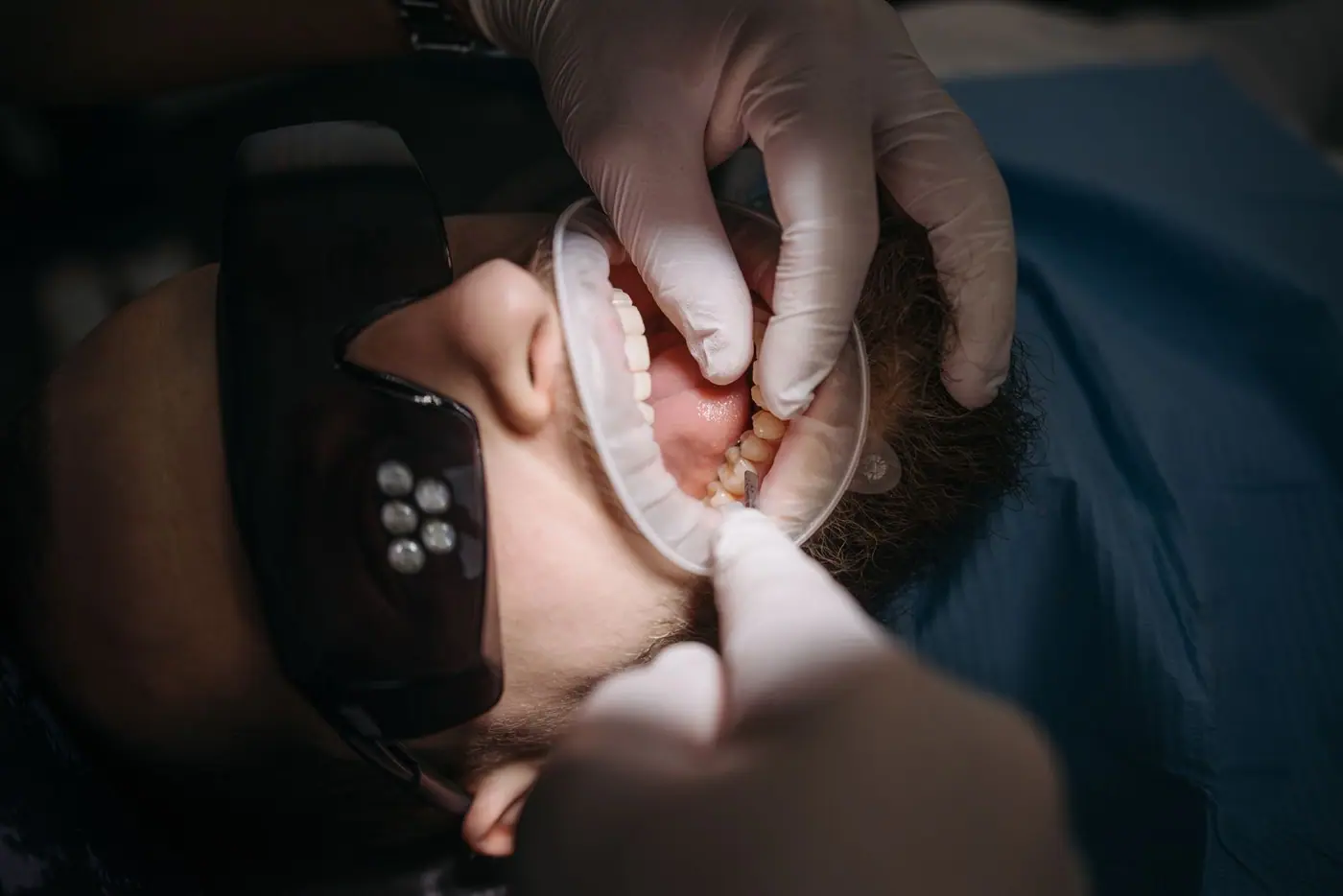
- Cleaning beneath the gums: Using specialised hand instruments called curettes, often together with ultrasonic instruments, the dentist removes plaque, tartar and inflamed tissue from inside the pockets and from the root surfaces.
- Smoothing the roots: The root surfaces are smoothed to remove remaining deposits and make it harder for new plaque to attach.
- Rinsing and instructions: The treated areas are rinsed with an antiseptic solution, and you receive clear instructions for home care during healing.
After treatment, the inflammation usually begins to settle, the gums tighten and the pockets often become shallower over the following weeks.
Why Is Gum Curettage Important?
Plaque that is not removed hardens into tartar, which cannot be cleaned with a toothbrush. When tartar and bacteria accumulate below the gum line, the gum becomes inflamed and starts to detach from the tooth, forming a pocket. These pockets are difficult to reach at home and provide an ideal environment for bacteria, so the disease can continue to progress without much pain.
Gum curettage helps to:
- Reduce gum inflammation: Removing bacteria and inflamed tissue allows red, swollen and bleeding gums to calm down and heal.
- Reduce periodontal pocket depth: As the gum heals, it can reattach more closely to the tooth, making the pockets shallower and easier to keep clean.
- Clean areas you cannot reach at home: Deposits below the gum line are removed thoroughly, which regular brushing and flossing cannot achieve.
- Protect teeth and bone: Stopping the inflammation helps slow or halt bone loss and reduces the risk of teeth becoming loose.
- Help with bad breath: Bacteria in deep pockets are a common cause of persistent bad breath.
Who Is Gum Curettage Suitable For?
Your dentist will decide whether curettage is the right step after examining your gums. It is commonly recommended for:
- People with gum disease: Gingivitis that has not responded to regular cleaning, or mild to moderate periodontitis with deepened pockets.
- Patients with periodontal pockets: When pockets have formed between the gums and teeth, curettage cleans them and helps prevent further bacterial growth.
- People with tartar below the gum line: Deposits under the gums need professional removal, even with good brushing habits.
- Patients preparing for other treatment: Healthy gums are an important basis before implants, crowns, veneers or orthodontic treatment.
In more advanced cases with very deep pockets or significant bone loss, curettage may be the first stage of treatment, with surgical periodontal treatment considered afterwards if needed.
Aftercare Following Gum Curettage
Mild tenderness, slight bleeding when brushing and temporary sensitivity to cold are common in the first days. These signs usually ease as the gums heal.
- Wait until the anaesthesia has worn off before eating. This prevents you from accidentally biting your cheek, lip or tongue.
- Avoid staining foods and drinks for about 48 hours. In the first two days, the treated gums and freshly cleaned root surfaces are more prone to discolouration. Try to avoid tea, coffee, red wine, cola, ketchup, tomato sauce, soy sauce, curry and other strongly coloured foods during this time.
- Choose soft, mild foods. Spicy, acidic, very hard or crunchy foods can irritate the healing gums. Very hot and very cold foods may also cause discomfort at first.
- Brush gently but thoroughly. Use a soft-bristled toothbrush and continue cleaning all your teeth. Keeping plaque away is essential for healing; simply be gentle around the treated areas. Resume flossing or interdental brushes carefully as advised by your dentist.
- Use any mouthwash as instructed. If an antiseptic mouth rinse is recommended, use it for the period your dentist specifies.
- Avoid smoking. Smoking reduces blood flow to the gums and is one of the main factors that slow healing and increase the risk of gum disease returning.
- Take medication as directed. Painkillers can be used if needed; take any other prescribed medication exactly as advised.
- Attend your follow-up appointment. Your dentist will check how the gums have responded and measure the pockets again.
Is Gum Curettage Safe?
Gum curettage is a well-established and safe procedure when carried out by a trained dentist. Some sensitivity, particularly to cold, may occur afterwards, as cleaned root surfaces can be more exposed when the swelling goes down. This usually improves within a few weeks, and a desensitising toothpaste can help.
Is Gum Curettage a Permanent Solution?
Gum curettage can bring long-lasting improvement, but its results depend on what happens afterwards. Gum disease is a chronic condition: if plaque is allowed to build up again, inflammation can return. Daily brushing, cleaning between the teeth, not smoking and regular professional check-ups and cleanings, often every three to six months depending on your situation, are key to keeping your gums healthy over time.
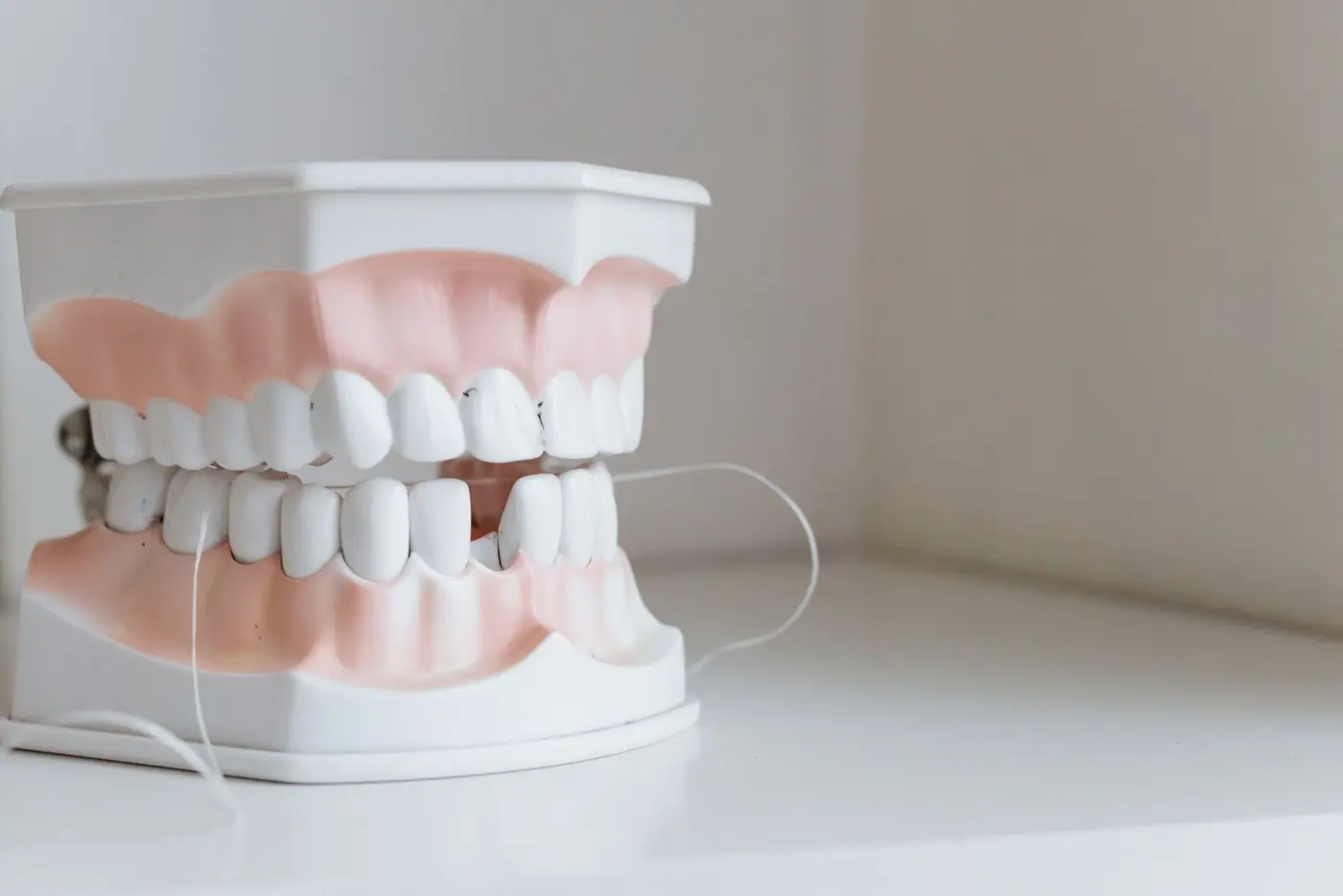
Gum Treatment at LHC Dental
At LHC Dental, gum treatment begins with measuring your pockets and reviewing X-rays, so that the extent of the disease is clear before any cleaning starts. Your dentist explains which areas need treatment, whether it can be done in one visit or several, and how to look after your gums at home. If you are planning further dental work, such as implants or veneers, your gum treatment can be coordinated with it so that the rest of your treatment builds on healthy gums.
Frequently Asked Questions
Is gum curettage painful?
The treatment is performed under local anaesthesia, so most patients feel only pressure and vibration. Afterwards, the gums may feel tender for a few days, which can usually be managed with standard painkillers.
How long does it take for the gums to heal?
Initial healing usually takes about one to two weeks. The gums continue to tighten over the following weeks, and your dentist will typically re-evaluate the pockets after several weeks. Healing time varies from person to person.
Why should I avoid tea, coffee and ketchup after the treatment?
During the first 48 hours, the treated gums and freshly cleaned root surfaces are more likely to pick up stains. Avoiding strongly coloured foods and drinks during this time helps prevent discolouration.
Is bleeding normal after curettage?
Slight bleeding when brushing during the first days is common and usually decreases as the inflammation settles. If bleeding is heavy or continues for a long time, contact your dentist.
Can gum disease come back after curettage?
Yes, if plaque and tartar build up again. Good daily oral hygiene and regular professional check-ups are the best way to keep the results stable over the long term.
This page is for general information and does not replace a personal examination. Whether a treatment is suitable for you can only be assessed after an examination and consultation.