Gum Recession Treatment
 Dr. med. dent. Hasan Coşkun · Co-founder of LHC Clinic
6 min read · Deutsch
Gum recession is a common oral health problem that many people notice only when their teeth start to feel sensitive or look longer than before. When the gums pull back, the roots of the teeth become exposed, so treating the cause early helps protect both your smile and the long-term stability of your teeth.
What Is Gum Recession?
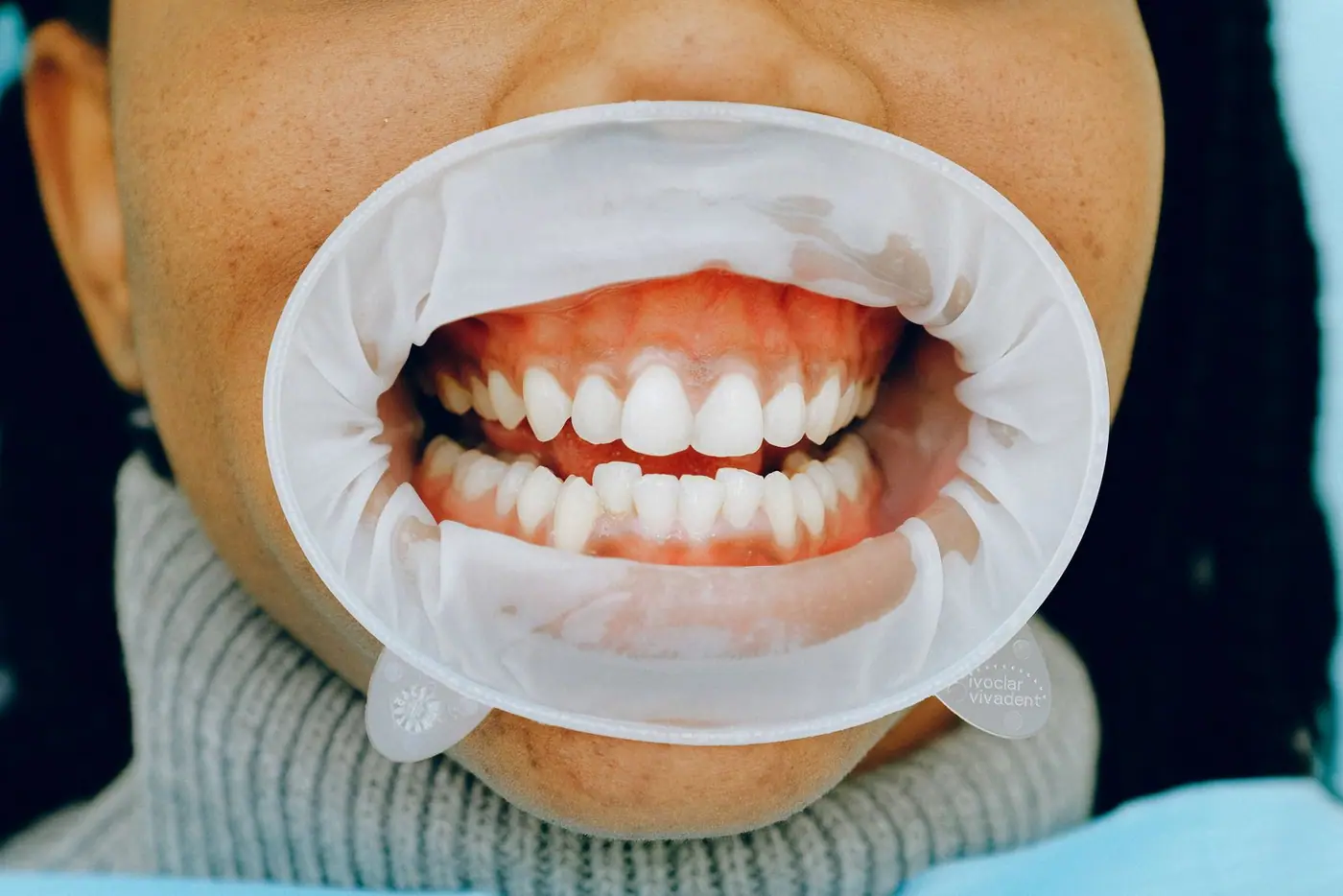
Gum recession means that the gum margin, the edge of the gum around each tooth, gradually shifts away from the crown of the tooth towards the root. As it does, part of the tooth root that is normally covered by gum becomes visible. It often develops slowly over years and may affect a single tooth or several teeth at once.
Gum tissue does not usually grow back on its own once it has receded. This is why it is important to find out what is causing it, stop it from progressing and, where needed, cover exposed roots with treatment.
Why Is Gum Recession a Problem?
Gum recession is more than a cosmetic issue. The exposed root surface is not protected by enamel like the crown of the tooth, which leads to several problems:
- Sensitivity: Root surfaces contain tiny channels that lead towards the nerve, so cold, hot, sweet or sour foods can cause sharp, short pain.
- Higher risk of decay: Roots are softer than enamel and can develop cavities more easily, especially near the gum line.
- Weaker support: Recession is often accompanied by loss of the bone and tissue that hold the tooth. If the cause is not treated, teeth can become loose and may eventually be lost.
- Appearance: Teeth look longer, the gum line becomes uneven and dark triangular gaps can appear between teeth.
- More difficult cleaning: Plaque collects more easily on exposed roots and in the spaces between the teeth.
What Causes Gum Recession?
- Gum diseases: Periodontal disease and gum infections destroy the tissues that support the teeth.
- Improper brushing technique: Hard-bristled brushes or brushing with too much pressure can wear the gums away.
- Genetic factors: Thin gum tissue or a family history makes recession more likely.
- Teeth grinding and clenching (bruxism): Excessive forces, often linked to stress or occurring at night, strain the tissues around the teeth.
- Poor oral hygiene: Not brushing and flossing regularly allows plaque to build up along the gum line.
- Tartar buildup: Tartar that extends beneath the gums irritates them and keeps them inflamed.
- Smoking and tobacco use: These reduce blood flow to the gums and impair healing.
- Improper dental treatments: Poorly fitting fillings or crowns can irritate the gums.
- Dietary habits: A diet high in sugary and acidic foods encourages plaque and weakens oral health.
- Hormonal changes: Pregnancy, menopause and puberty can make the gums more sensitive and prone to inflammation.
Symptoms of Gum Recession
- Increased tooth sensitivity
- Teeth appearing longer than usual
- Bleeding and swollen gums
- Bad breath or an unpleasant taste
- Change in gum colour (paleness or redness)
- Formation of pockets between the gums and teeth
Treatment Methods for Gum Recession
The right treatment depends on the cause, how much the gums have receded and whether the gums are inflamed. Your dentist will examine your gums, measure the recession and pockets and, if needed, take X-rays before recommending a plan.
- Professional teeth cleaning (scaling): Removes plaque and tartar above and just below the gum line. This is the starting point for most patients, because healthy gums are needed before any further treatment.
- Root planing and curettage: A deeper cleaning beneath the gums that removes tartar and inflamed tissue from the pockets and smooths the root surfaces, helping the gums heal and reattach.
- Laser treatment: In selected cases, a laser may be used alongside cleaning to reduce bacteria in the pockets and support healing.
- Gum grafting (tissue transplant): A small piece of tissue, usually taken from the palate or replaced by a suitable graft material, is placed over the exposed root. This can cover the root, thicken thin gums and reduce sensitivity.
- Pink aesthetic procedures: Gum-focused plastic procedures, such as repositioning the gum over the root or reshaping the gum line, aim to create an even, healthy-looking gum contour.
- Night guards: For people who grind or clench, a custom-made night guard protects the teeth and gums from excessive forces.
- Antibiotic treatment: If there is an active infection, your dentist may recommend antibiotics, applied locally in the pockets or taken as tablets, as a supplement to cleaning.
- Natural and herbal remedies: Saltwater rinses, aloe vera and oil pulling with coconut oil are popular home remedies that some people use to support gum comfort. Sumac, a spice traditionally used in Turkish and Middle Eastern cuisine and folk medicine, is also sometimes used as a rinse because of its natural antioxidant and antibacterial properties. These remedies may be pleasant supportive habits, but there is limited scientific evidence for them, and they cannot reverse recession or remove tartar. They should only ever complement professional treatment, never replace it, and it is best to check with your dentist before using them.
How to Prevent Gum Recession
- Brush gently at least twice a day. Use a soft-bristled toothbrush and small, gentle movements rather than hard scrubbing, as excessive pressure is one of the most common causes of recession.
- Clean between your teeth every day. Dental floss or interdental brushes remove plaque from areas a toothbrush cannot reach, and an antibacterial mouthwash can be a helpful addition.
- Avoid smoking and tobacco products. Tobacco reduces blood flow to the gums, hides the warning signs of gum disease and slows healing.
- Visit your dentist regularly. Routine check-ups and professional cleanings allow early signs of recession or gum disease to be found and treated before they progress.
- Eat a balanced diet rich in vitamin C. Vitamin C supports healthy gum tissue, while limiting sugary and acidic foods reduces plaque and acid attacks.
- Be careful with very hard and abrasive foods. Biting on very hard items can injure the gums, and abrasive habits can wear tissue over time.
- Manage stress and protect against grinding. Stress often leads to clenching or grinding at night; if this applies to you, ask your dentist about a night guard.
- Stay well hydrated. Drinking enough water keeps your mouth moist, supports saliva flow and helps wash away food particles and bacteria.
Taking Care of Your Gums
When gum recession is noticed early, its progress can usually be slowed or stopped, and in many cases exposed roots can be covered again with treatment. If you notice sensitivity, longer-looking teeth or bleeding gums, an examination is the best first step. At LHC Dental in Istanbul, your dentist will assess the cause of your recession, explain the options that suit your situation and plan your treatment step by step, from cleaning to gum procedures if they are needed. Healthy gums support not only an attractive smile but also your teeth and your overall health.
Frequently Asked Questions
Can receded gums grow back on their own?
No, gum tissue usually does not grow back once it has receded. Treatment can stop further recession, and procedures such as gum grafting can cover exposed roots in suitable cases.
Is gum recession treatment painful?
Cleaning and gum procedures are carried out under local anaesthesia, so discomfort during treatment is usually minimal. After gum grafting, some tenderness at the treated area and the donor site is common for several days.
How long does recovery take after gum grafting?
The gums usually heal on the surface within about one to two weeks, while the graft continues to mature over several weeks to months. Healing varies between individuals.
Can I use sumac or other herbal remedies instead of treatment?
No. Herbal remedies such as sumac, aloe vera or saltwater may support gum comfort as part of your routine, but they cannot remove tartar, treat gum disease or restore lost gum tissue. Use them only alongside professional care and after discussing them with your dentist.
Does brushing harder help prevent gum problems?
No. Brushing too hard is a common cause of gum recession. Gentle brushing with a soft toothbrush, combined with daily cleaning between the teeth, is more effective and safer for your gums.
This page is for general information and does not replace a personal examination. Whether a treatment is suitable for you can only be assessed after an examination and consultation.