Gum Grafting
 Dr. med. dent. Hasan Coşkun · Co-founder of LHC Clinic
6 min read · Deutsch
Gum recession is common and often develops slowly, so many people only notice it when a tooth starts to feel sensitive or look longer than its neighbours. Gum grafting is a well-established surgical treatment that replaces lost gum tissue, protects exposed roots and restores a healthier gum line. At LHC Dental in Istanbul, grafting is planned individually after a careful assessment of your gums and the cause of the recession.
What Is Gum Grafting?
Gum grafting, also called a gum transplant, is a procedure in which healthy tissue is placed where the gum has receded. The added tissue thickens and repositions the gum, covering the exposed part of the root and bringing the gum line closer to its natural level.
The goal is threefold: to protect the root surface, to strengthen thin gum tissue so it is less likely to recede further, and to improve the appearance of the smile.
Why Does Gum Recession Happen?
Understanding the cause matters, because a graft lasts best when the reason for the recession is also addressed. Common causes include:
- Brushing too hard or using a hard-bristled toothbrush
- Gum disease, which destroys the tissue and bone that support the teeth
- Thin gum tissue, which is partly inherited and more prone to recession
- Teeth grinding or clenching, which places heavy forces on the teeth and supporting tissue
- Tooth position, for example teeth that sit towards the outside of the jaw
- Smoking, which reduces blood flow and weakens gum tissue
- Orthodontic movement or lip and cheek attachments (frenulum) that pull on the gum
Why Is Gum Grafting Performed?
- To protect the tooth root: roots are not covered by enamel. Once exposed, they are more sensitive and more vulnerable to decay and wear. A graft covers and protects them.
- To reduce sensitivity: covering the root often reduces sensitivity to cold, heat or brushing.
- To stop further recession: thicker, healthier gum tissue is more resistant to future recession and makes cleaning easier.
- To support long-term oral health: stable gums help prevent plaque from collecting around the root and lower the risk of the problem progressing.
- To improve appearance: teeth that look long or uneven because of recession can look more natural once the gum line is restored.
Who Is a Suitable Candidate?
Gum grafting may be recommended if you have:
- Tooth sensitivity caused by gum recession
- Visible, exposed tooth roots
- Recession that is getting worse over time
- Thin gum tissue in an area that is at risk
- Aesthetic concerns about long-looking teeth or an uneven gum line
- Planned orthodontic or restorative treatment in an area with thin gums
Before grafting, any active gum disease needs to be treated and your oral hygiene should be stable. Smoking, uncontrolled diabetes or certain medications can affect healing, so your dentist will ask about your general health.
Types of Gum Grafts
Your dentist chooses the technique according to the amount of recession, the thickness of your gums and whether the aim is mainly root coverage or strengthening the tissue.
- Connective tissue graft: the most common technique for covering roots. A small piece of tissue is taken from beneath the surface of the palate and placed under the gum at the recession site.
- Free gingival graft: a thin layer of tissue is taken directly from the surface of the palate. It is mainly used to thicken very thin gums rather than to cover roots.
- Pedicle (lateral) graft: if there is enough healthy gum next to the affected tooth, it can be partly loosened and moved over the root without taking tissue from the palate.
- Donor or collagen materials: in some cases processed tissue or collagen substitutes are used instead of your own tissue, avoiding a second wound in the palate.
How Is Gum Grafting Performed?
- Examination and planning: your dentist measures the recession, checks gum thickness, pocket depths and bone levels, and takes X-rays if needed. The cause of the recession is identified and the most suitable graft type is chosen.
- Local anaesthesia: the treatment area and, if needed, the palate are numbed. You may feel pressure, but you should not feel pain during the procedure.
- Preparing the site: the gum around the exposed root is gently prepared to receive the graft.
- Harvesting the tissue: if your own tissue is used, a small piece is taken, usually from the palate, and the donor area is protected.
- Placing and securing the graft: the tissue is positioned over the root and fixed with fine stitches.
- Follow-up: you go home the same day with aftercare instructions and a follow-up appointment, usually to check healing and remove stitches.
The procedure typically takes around an hour, depending on the number of teeth treated and the technique used.
Recovery and Aftercare
Initial healing usually takes about one to two weeks, while the graft continues to mature and blend in over several weeks to a few months. How quickly you heal depends on your general health, the technique and how closely you follow the instructions.
- Wait until the anaesthesia has worn off before eating, to avoid biting your lip or cheek.
- Eat soft, lukewarm foods for the first days and avoid hard, crunchy, hot or spicy foods.
- Do not chew on the treated side and do not pull your lip to look at the graft.
- Do not brush or floss the grafted area until your dentist says so; clean the rest of your mouth as usual and use the recommended mouthwash.
- Avoid smoking and alcohol during healing, as they reduce blood supply to the graft.
- Take prescribed medication as directed and use cold compresses for swelling.
- Attend all follow-up visits so healing can be monitored.
Mild discomfort, swelling or slight bleeding, especially at the palate, is normal in the first days. Contact your dentist if pain increases, bleeding does not stop or you notice signs of infection.
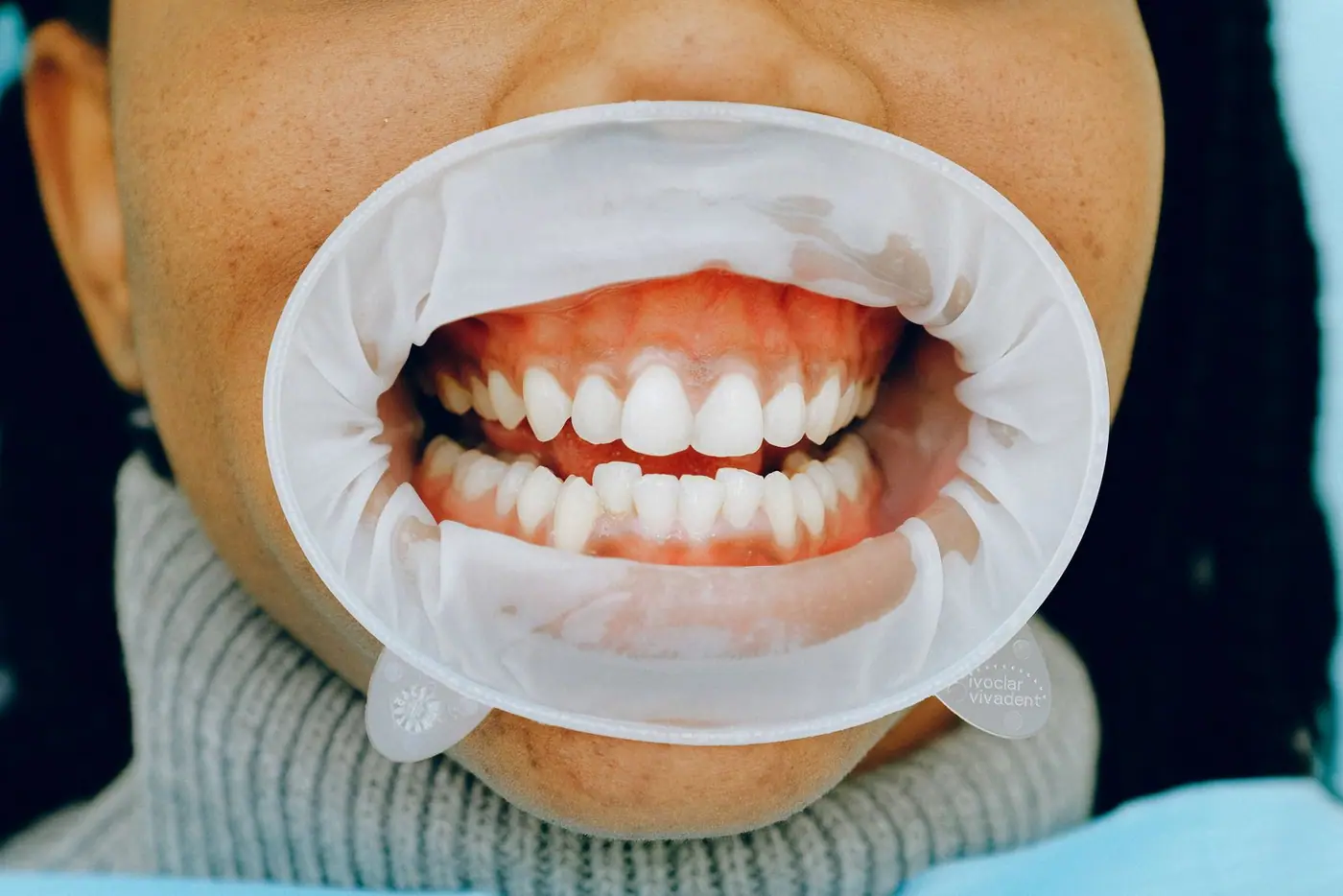
Gum Grafting at LHC Dental
At LHC Dental, your treatment begins with a detailed examination and a clear explanation of why your gums have receded and what a graft can realistically achieve. We plan the technique to suit your situation, explain each step before treatment and give you written aftercare instructions. Because the long-term result also depends on removing the cause, your dentist will advise on brushing technique, grinding and other factors so that your new gum tissue stays healthy.
Frequently Asked Questions
Is gum grafting safe?
Gum grafting is a well-established procedure with predictable results when it is carefully planned and the aftercare instructions are followed. As with any surgery, there are possible risks such as swelling, bleeding or, rarely, infection or incomplete root coverage, which your dentist will discuss with you.
Will it hurt after the procedure?
Mild to moderate discomfort is common for a few days, often more at the palate than at the graft site. This can usually be controlled with the pain relief your dentist recommends.
How long does gum grafting take?
The procedure usually takes around 45 minutes to an hour for a single area, longer if several teeth are treated. Initial healing takes about one to two weeks.
Are the results permanent?
With good oral hygiene and regular check-ups, grafts can remain stable for many years. If the original causes continue, such as aggressive brushing, grinding or smoking, new recession can develop, which is why addressing these habits is part of treatment.
Can every exposed root be fully covered?
Not always. The amount of root coverage depends on the type of recession and the bone and tissue between the teeth. Your dentist will tell you what can realistically be expected in your case.
This page is for general information and does not replace a personal examination. Whether a treatment is suitable for you can only be assessed after an examination and consultation.