Gum Aesthetics (Pink Aesthetics)
 Dr. med. dent. Hasan Coşkun · Co-founder of LHC Clinic
7 min read · Deutsch
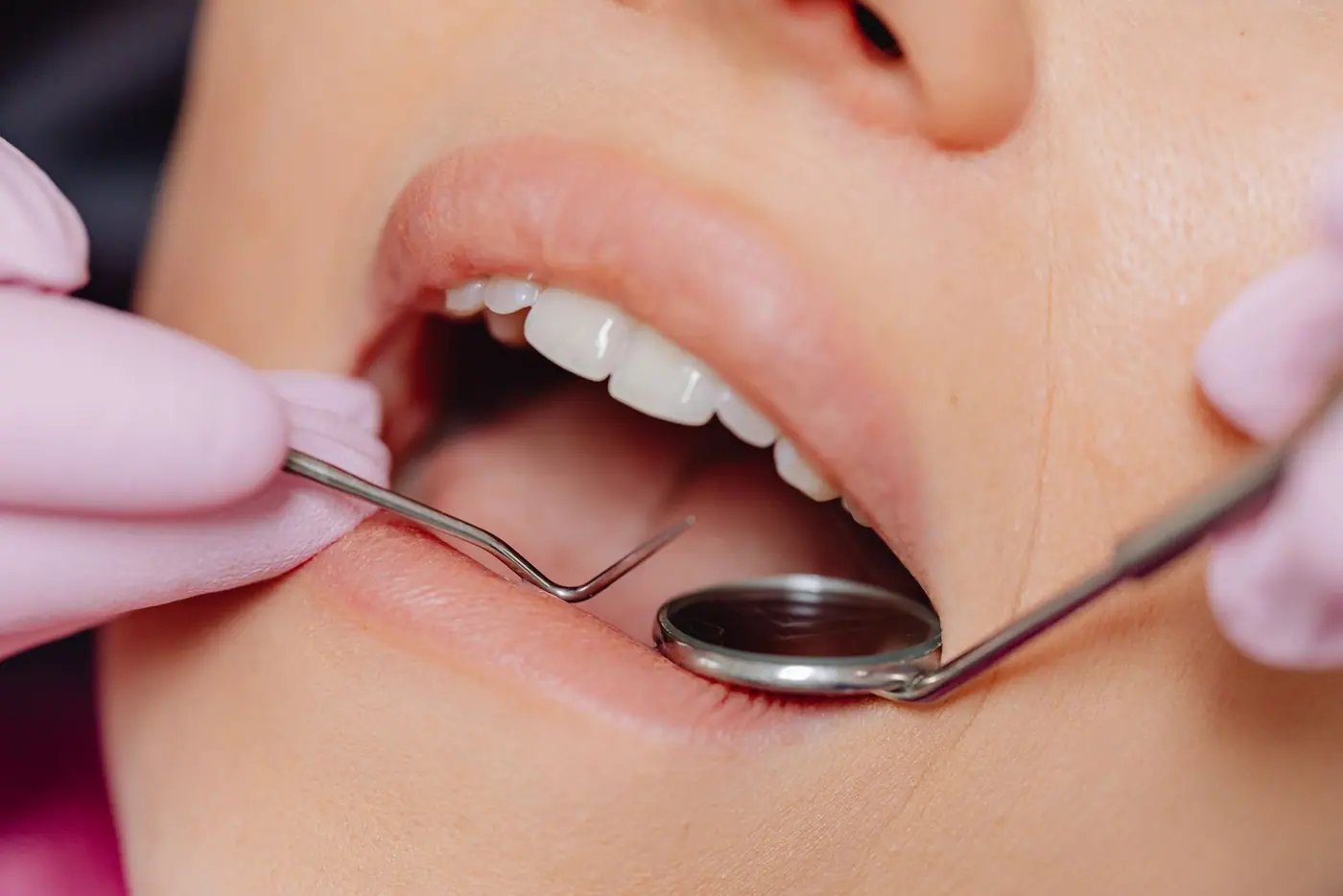
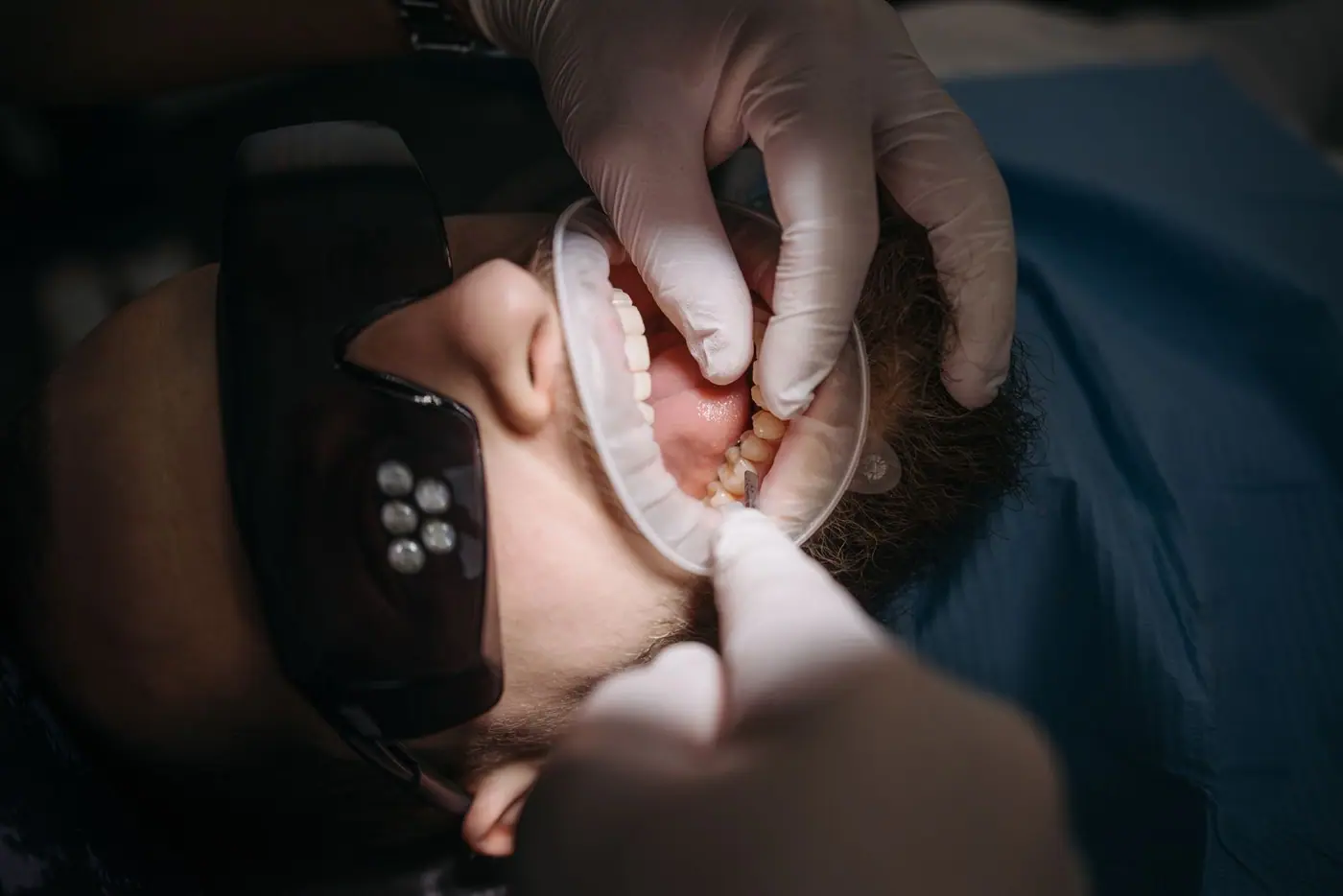
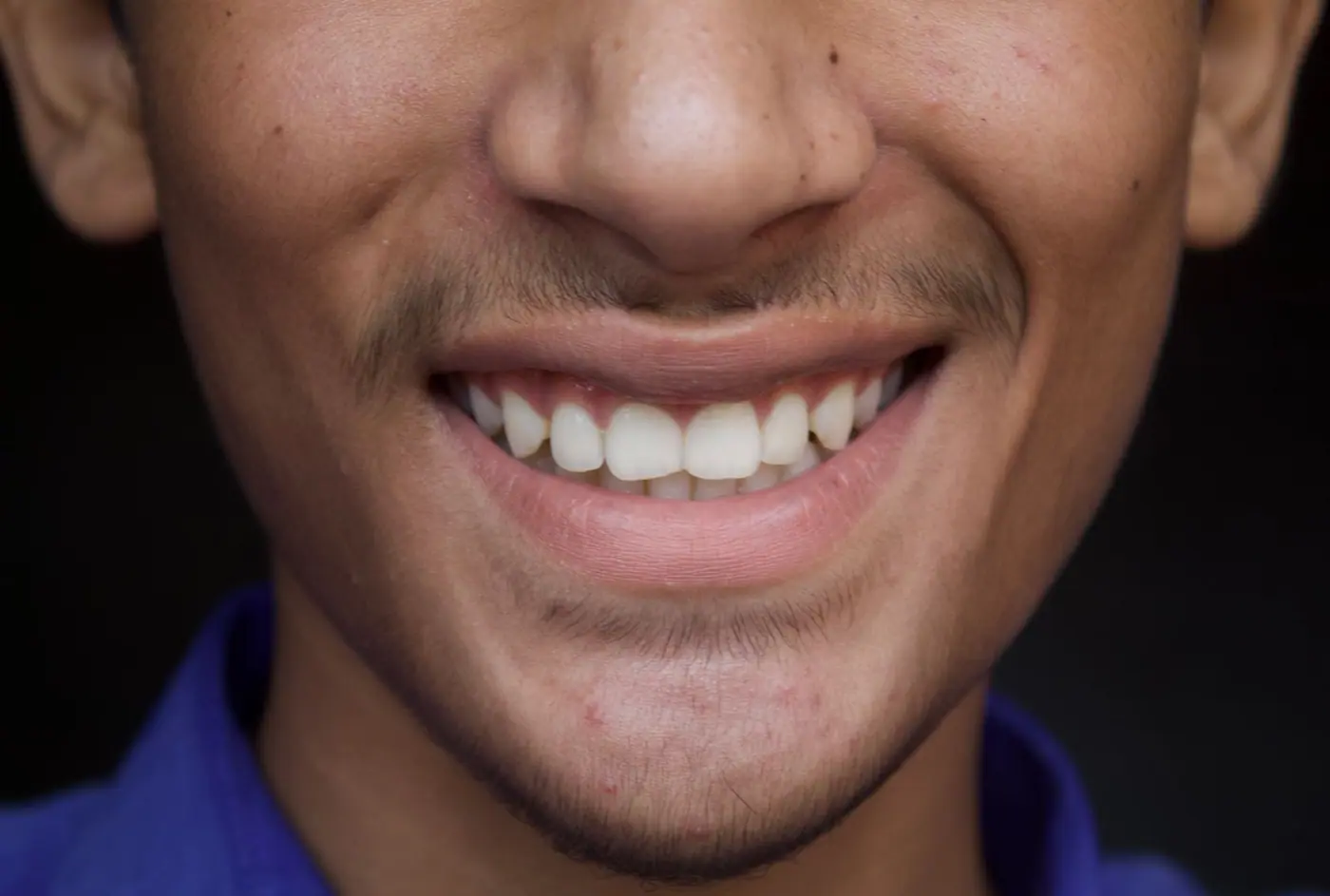
A beautiful smile is not only about the teeth. The gums frame every tooth, and when their shape, level or colour is out of balance, even well-cared-for teeth can look uneven. At LHC Dental in Istanbul, gum aesthetics treatments are planned to bring the gums back into harmony with your teeth while keeping them healthy.
What Are Gum Aesthetics and Pink Aesthetics?
Gum aesthetics, often called pink aesthetics, is the area of dentistry that focuses on the appearance and health of the gums. The term "pink" refers to the gum tissue, in contrast to "white aesthetics", which concerns the teeth themselves. In this article, both terms mean the same thing: treatments that shape, cover, recontour or recolour the gums so that they look natural and sit in the right position around each tooth.
Pink aesthetics looks at several features:
- Gum line: the curve the gums follow along the teeth, ideally even and symmetrical on both sides
- Gum level: how much gum shows when you smile and how long the teeth appear
- Gum shape: the small triangles of gum between the teeth (papillae) and the scalloped contour around each tooth
- Gum colour and texture: healthy gums are usually firm and light to coral pink, although natural pigmentation varies from person to person
Why Do the Gums Matter So Much?
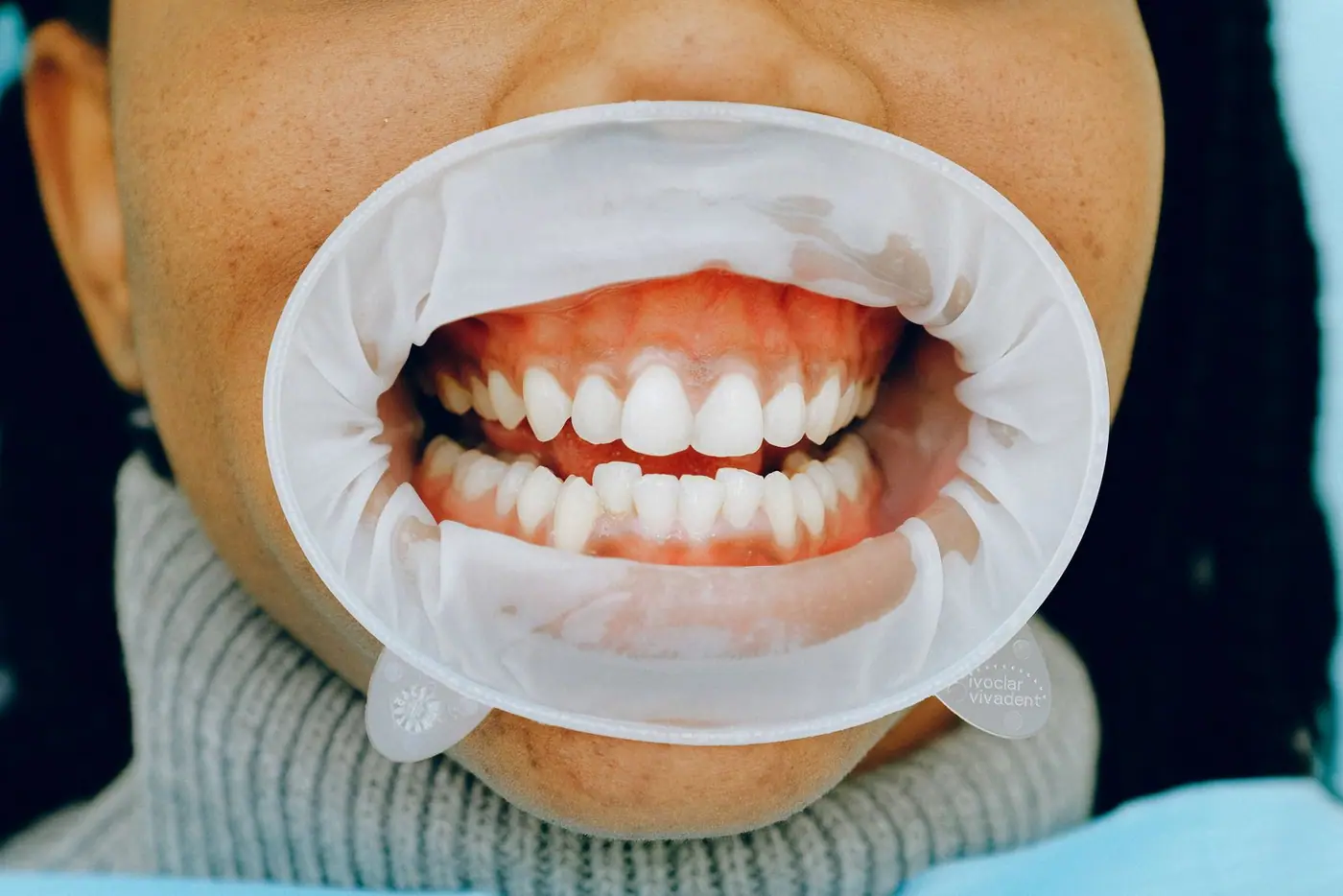
A smile is read as a whole. Teeth and gums work together, and a change in one changes how the other is perceived.
- The gums decide how your teeth look. If the gums cover too much of a tooth, it looks short. If they have receded, the tooth looks long. Even perfectly white teeth can appear mismatched when the gum line is uneven.
- Balance creates a natural smile. A symmetrical gum line and a proportionate amount of visible gum help the teeth, lips and face look harmonious.
- Gum problems are not only cosmetic. The gums seal and protect the roots and the bone that hold your teeth. When gums recede or become inflamed, roots can be exposed, sensitivity and root decay become more likely, and in advanced cases the supporting bone can be lost, which may eventually loosen the teeth. Treating the gums is therefore often as much about protecting your teeth as about appearance.
When Is Gum Aesthetic Treatment Needed?
Your dentist will first assess whether a concern is purely aesthetic or also a sign of a health problem. Common reasons for treatment include:
- Gummy smile: a large band of gum shows when smiling. This can be caused by excess gum tissue, the way the teeth erupted, or an upper lip that rises higher than average.
- Uneven gum line: gums sit at different heights, making teeth of similar size look unequal.
- Gum recession: gums pull back and expose part of the root. Beyond appearance, this can cause sensitivity to cold, make the roots more vulnerable to decay and wear, and indicate ongoing loss of supporting tissue.
- Inflamed or discoloured gums: red, swollen or bleeding gums usually point to gum inflammation, which needs treatment before any cosmetic step. Dark patches may also be natural pigmentation, which is harmless but can be lightened if it bothers you.
- Before veneers, crowns or a smile makeover: a healthy, well-shaped gum line is the foundation for good-looking restorations.
Important: if gum disease is present, it is treated first. Aesthetic procedures on inflamed gums give unpredictable results.
Treatment Methods in Detail
The right method depends on the cause, the amount of tissue involved and your general oral health. Often a combination is used.
Gingivectomy and Gingivoplasty
A gingivectomy removes a small amount of excess gum tissue to reveal more of the tooth. A gingivoplasty reshapes the gum contour so that the line is smooth and symmetrical. Both are carried out under local anaesthesia, with either a scalpel or a dental laser. The dentist carefully respects the natural biological width around each tooth so that the gums stay healthy. Where the bone is also positioned too close to the crown of the tooth, a slightly more extensive procedure called crown lengthening may be recommended.
Laser Gum Contouring
A soft-tissue laser can reshape gums and remove small amounts of tissue with very precise control. Because the laser seals small blood vessels as it works, bleeding is usually minimal and many patients report only mild discomfort afterwards. Healing is often quick, typically within one to two weeks for the surface tissue, although every patient heals at their own pace.
Gum Grafting for Recession
When gums have receded, tissue can be added to cover exposed roots. Usually a thin layer of tissue is taken from the palate and placed at the site of recession; in some cases donor or collagen materials are used instead. A graft can reduce sensitivity, protect the root and restore a more even gum line. Full maturation of the tissue takes several weeks to a few months.
Gum Depigmentation
If dark spots or patches on the gums are a cosmetic concern, the outer pigmented layer can be gently removed with a laser or a fine surgical technique. The gums then heal with a lighter, more even colour. Pigmentation can return over time in some people, especially smokers.
Botulinum Toxin for a Gummy Smile
When a gummy smile is caused mainly by an overactive upper lip, small injections of botulinum toxin can relax the muscle so the lip rises less. No surgery is needed, but the effect is temporary, usually lasting a few months, and treatment must be repeated to maintain it. Your dentist will explain whether this or a tissue-based approach suits your case better.
Benefits of Gum Aesthetic Treatment
- A more balanced, natural-looking smile
- Teeth that appear in proportion to each other
- Protection of exposed roots and, in many cases, less sensitivity
- Easier cleaning when excess or irregular gum tissue is removed
- A stable foundation for veneers, crowns or other cosmetic work
Aftercare: What to Do After Treatment
Healing gums need gentle care. Your dentist will give you personal instructions, and the following points usually apply:
- Wait until the anaesthesia wears off before eating or drinking hot drinks, so you do not bite your cheek or lip.
- Brush gently with a soft toothbrush and avoid brushing directly on the treated area for the first few days if advised.
- Use the mouthwash your dentist recommends instead of vigorous rinsing, which can disturb the healing tissue.
- Choose soft, lukewarm foods for the first days and avoid hot, spicy, crunchy or very acidic foods.
- Avoid smoking and alcohol while the gums heal; both slow healing and can affect the final result.
- Do not touch or pull at the area with your tongue or fingers, and do not lift your lip to check it repeatedly.
- If you had a graft, avoid chewing on that side and follow any instructions about the palate donor site.
- Take any prescribed medication exactly as directed and use cold compresses on the cheek if swelling occurs.
- Attend your follow-up visits so your dentist can check healing and remove stitches if needed.

Gum Aesthetics at LHC Dental
At LHC Dental, every gum aesthetics treatment starts with a careful examination of your gums, bone and bite, supported by digital imaging and X-rays where needed. Your dentist explains what is causing your concern, which options are realistic and what each step involves, before anything is done. Where gum treatment is part of a wider smile design, it is planned together with any veneers or crowns, so that teeth and gums are designed as one. After treatment, you receive clear aftercare instructions and follow-up to make sure the gums heal well.
Frequently Asked Questions
Is gum aesthetic treatment painful?
Procedures are carried out under local anaesthesia, so you should feel pressure rather than pain during treatment. Afterwards, most patients experience mild tenderness for a few days, which can usually be managed with standard pain relief. Grafting tends to be more uncomfortable than laser contouring, mainly at the palate.
How long does healing take?
It depends on the procedure and on the individual. Surface healing after gum contouring usually takes one to two weeks, while grafts and crown lengthening need several weeks to a few months for the tissue to fully settle.
Are the results permanent?
Gum reshaping and grafting can give long-lasting results when the gums are kept healthy. Botulinum toxin is temporary. Habits such as aggressive brushing, smoking or untreated gum disease can affect results over time.
Can gum aesthetics be combined with veneers or crowns?
Yes, and this is common. Correcting the gum line first often allows veneers or crowns to look more natural. Your dentist will plan the order of treatments.
What if my gums bleed or look red?
Bleeding or redness is usually a sign of gum inflammation, not an aesthetic issue. This should be treated first with professional cleaning and improved home care before any cosmetic procedure is considered.
This page is for general information and does not replace a personal examination. Whether a treatment is suitable for you can only be assessed after an examination and consultation.