Teeth Whitening
 Dr. med. dent. Hasan Coşkun · Co-founder of LHC Clinic
5 min read · Deutsch
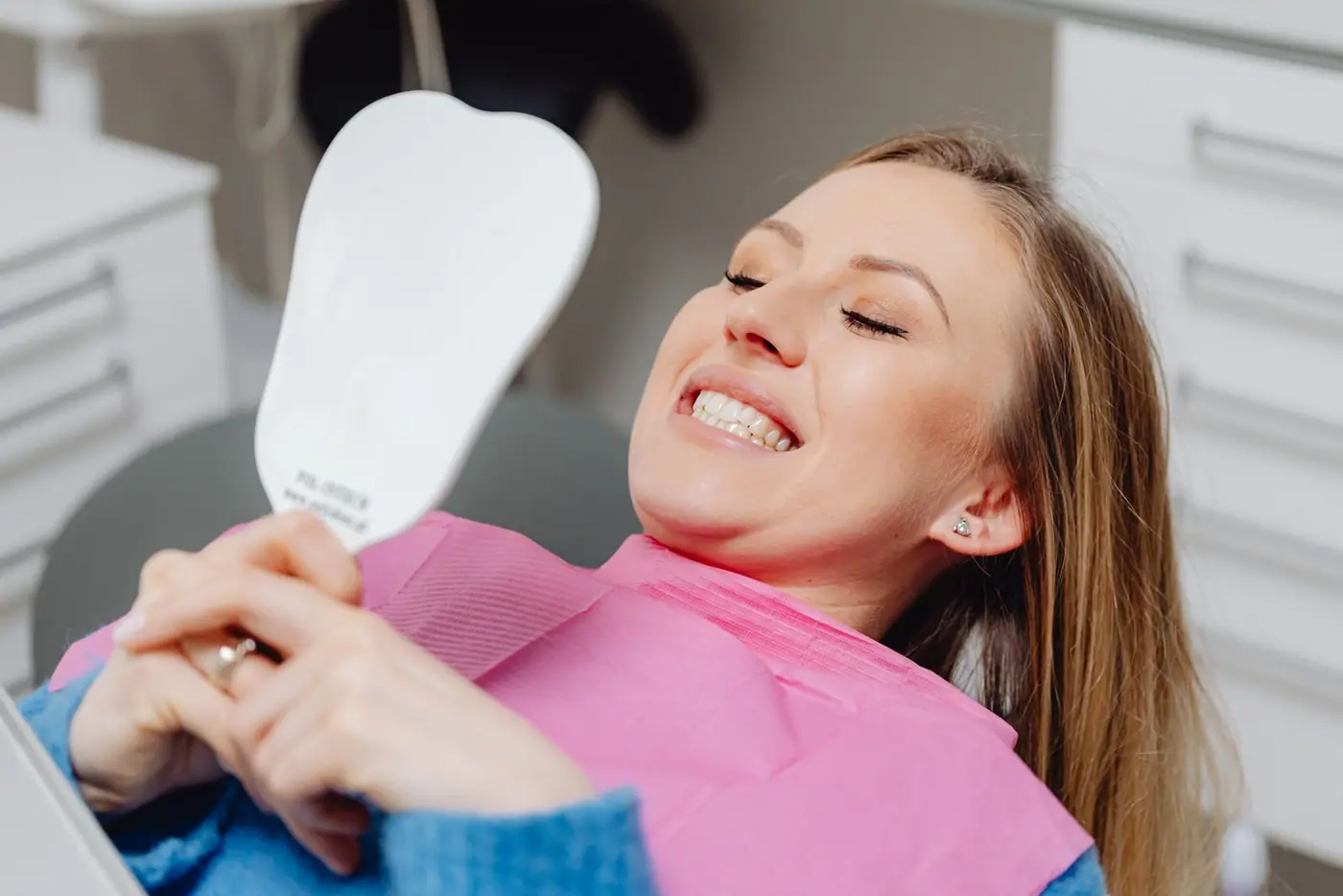
Over the years, coffee, tea, red wine, smoking and simply getting older leave their mark on the colour of our teeth. Teeth whitening is a gentle, non-surgical way to lift those stains and lighten your natural shade, so your smile looks fresher and brighter without changing the shape or structure of your teeth.
Why Do People Choose Teeth Whitening?
Tooth colour is shaped by two things: stains on the surface of the enamel, and the natural shade of the deeper tooth layer (dentine), which tends to become slightly darker and more yellow with age. Brushing and professional cleaning can remove surface deposits, but they cannot change the shade of the tooth itself. Whitening agents work differently: they release oxygen that penetrates the enamel and breaks down the coloured molecules inside the tooth, making the overall shade lighter.
Patients usually come to us for whitening because:
- their teeth have yellowed or darkened gradually over time
- they have stains from coffee, tea, red wine or tobacco
- they want a more even, uniform colour across their teeth
- they are preparing for an important event or simply want to feel more confident when they smile
- they are planning other aesthetic treatment, such as veneers or crowns, and want the surrounding teeth to be lighter first
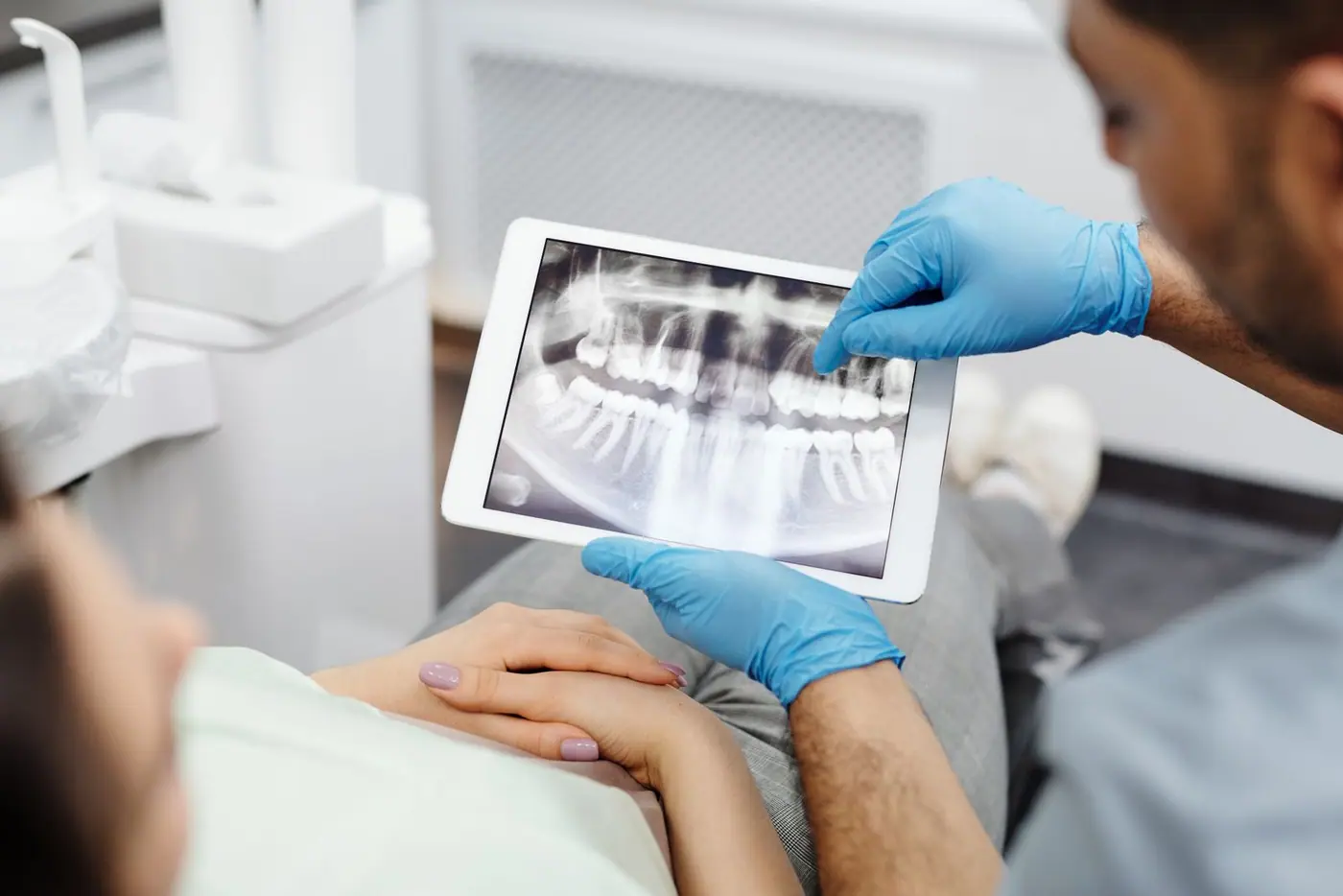
Whitening is a cosmetic treatment, so it is always carried out after your dentist has checked that your teeth and gums are healthy. Cavities, leaking fillings or gum inflammation are usually treated first.
Teeth Whitening Methods
At LHC Dental, the method is chosen according to the condition of your teeth, how much lightening you are hoping for and how much time you have.
In-Clinic (Professional) Whitening
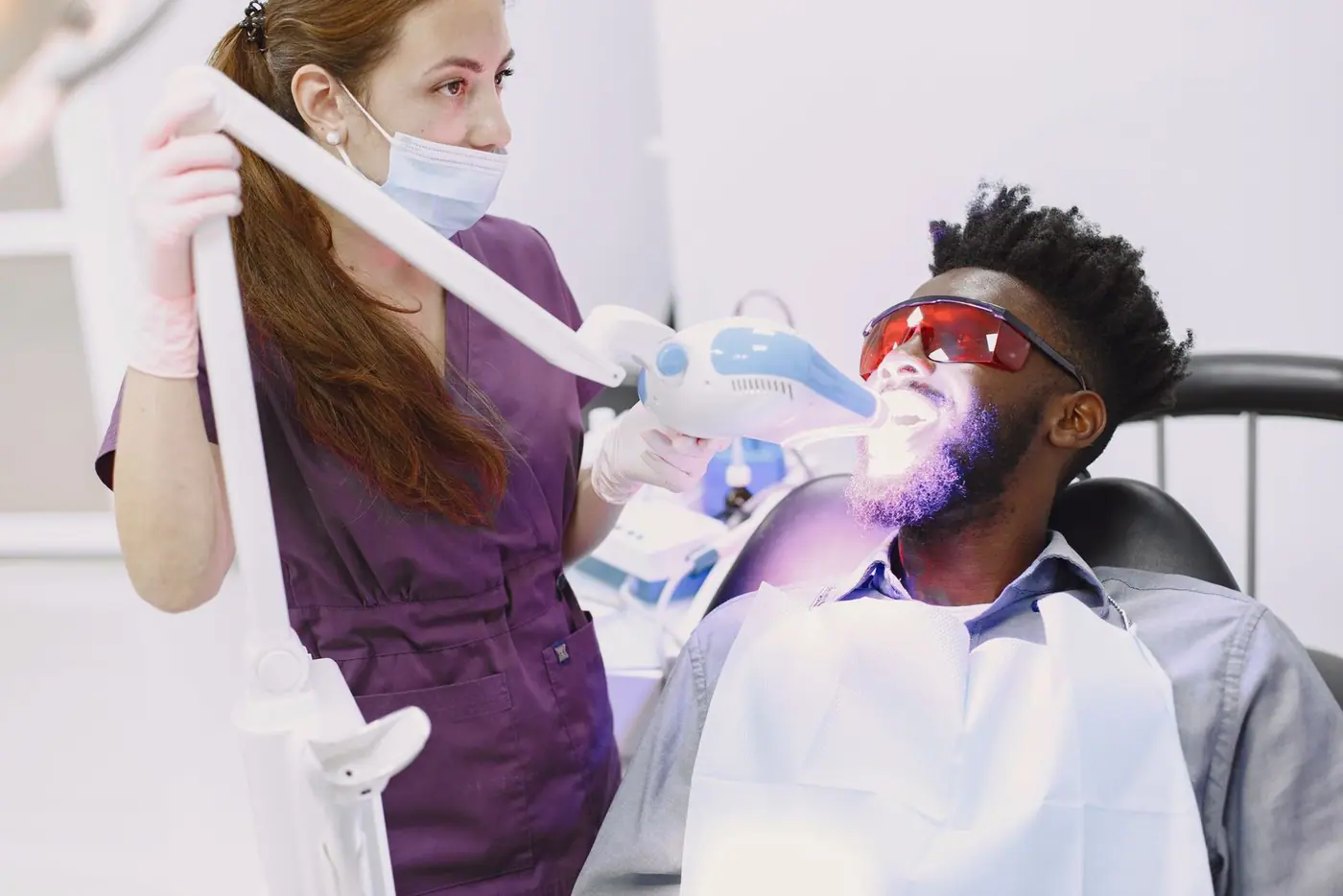
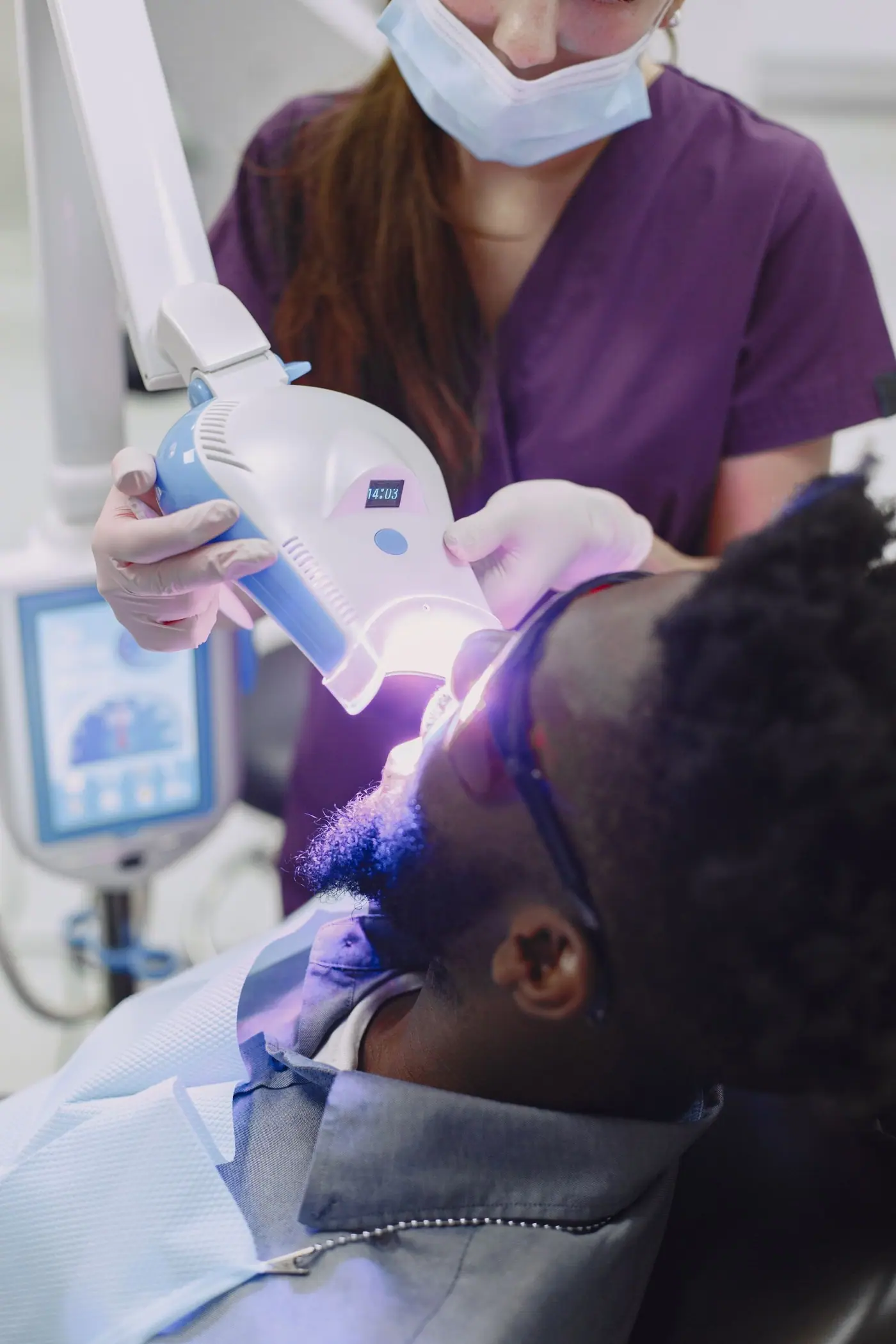
This whitening is carried out by the dentist in the treatment room in a single appointment, usually lasting around one to one and a half hours. Your gums are protected with a barrier before a professional-strength whitening gel is applied to the teeth in several short cycles. Because the process is fully controlled, it gives a noticeable result in a short time and is a good option for patients visiting Istanbul for a limited period.
At-Home Whitening
Your dentist takes a scan or impression of your teeth and prepares thin, custom-made trays. You wear these trays with a lower-concentration whitening gel at home for the time your dentist recommends, usually over one to two weeks. The result develops more gradually, and many patients find this method gentler on sensitive teeth.
Combined Whitening
Whitening is started in the clinic and then continued at home with custom trays. This approach often gives a more even and longer-lasting result, because the in-clinic session provides a strong start and the home phase consolidates it.
What to Expect: Benefits and Possible Side Effects
Benefits
- A visibly lighter shade: Most patients notice a clear difference in brightness, although the exact result depends on your natural tooth colour and the type of staining.
- More even colour: Uneven or patchy discolouration usually becomes less noticeable.
- Non-invasive: No drilling, no anaesthesia and no removal of tooth structure.
- Safe under supervision: When whitening is planned and monitored by a dentist with the correct products and application times, it is not expected to harm healthy enamel.
- More confidence: Many people feel more comfortable smiling, talking and being photographed.
Possible Side Effects
- Temporary sensitivity: The most common side effect is a short-lived sensitivity to cold or hot food and drinks. It usually fades within a few days. A desensitising toothpaste and avoiding very cold or very hot food during this period generally help, and your dentist may adjust the treatment if needed.
- Gum irritation: If whitening gel touches the gums, they may become slightly sore or pale for a short time. This is usually temporary and is minimised by the protective barrier and well-fitting trays.
- Uneven results on restorations: Whitening works only on natural teeth. Crowns, veneers and fillings do not change colour, so they may need to be replaced afterwards to match your new shade.
Who May Not Be Suitable?
Whitening is not recommended for everyone. Your dentist will usually advise against it, or suggest postponing it, if you:
- are pregnant or breastfeeding
- have untreated cavities, gum disease or exposed root surfaces
- have very thin enamel or significant existing sensitivity
- have certain deep discolourations (for example from some medications or a root-treated tooth), which may respond poorly to standard whitening and may be better treated in another way
Caring for Your Whitened Smile
The result of whitening is long-lasting but not permanent. How long it lasts depends mainly on your habits. These steps help keep your teeth bright:
- Be careful in the first 48 hours: Right after whitening, teeth absorb colour more easily. During this time it is best to avoid coffee, tea, red wine, cola, dark sauces and smoking.
- Brush and floss regularly: Brushing twice a day with a fluoride toothpaste and cleaning between your teeth helps stop new stains from forming and strengthens the enamel.
- Use whitening toothpastes in moderation: They can help remove surface stains, but overuse of abrasive products may wear the enamel over time.
- Limit staining drinks and tobacco: Reducing coffee, tea, red wine and smoking makes the biggest difference to how long your result lasts. Rinsing with water after a coffee also helps.
- Keep up with check-ups and cleanings: Regular dental visits keep your teeth healthy and allow your dentist to suggest a short top-up treatment when it is needed.
Teeth Whitening at LHC Dental
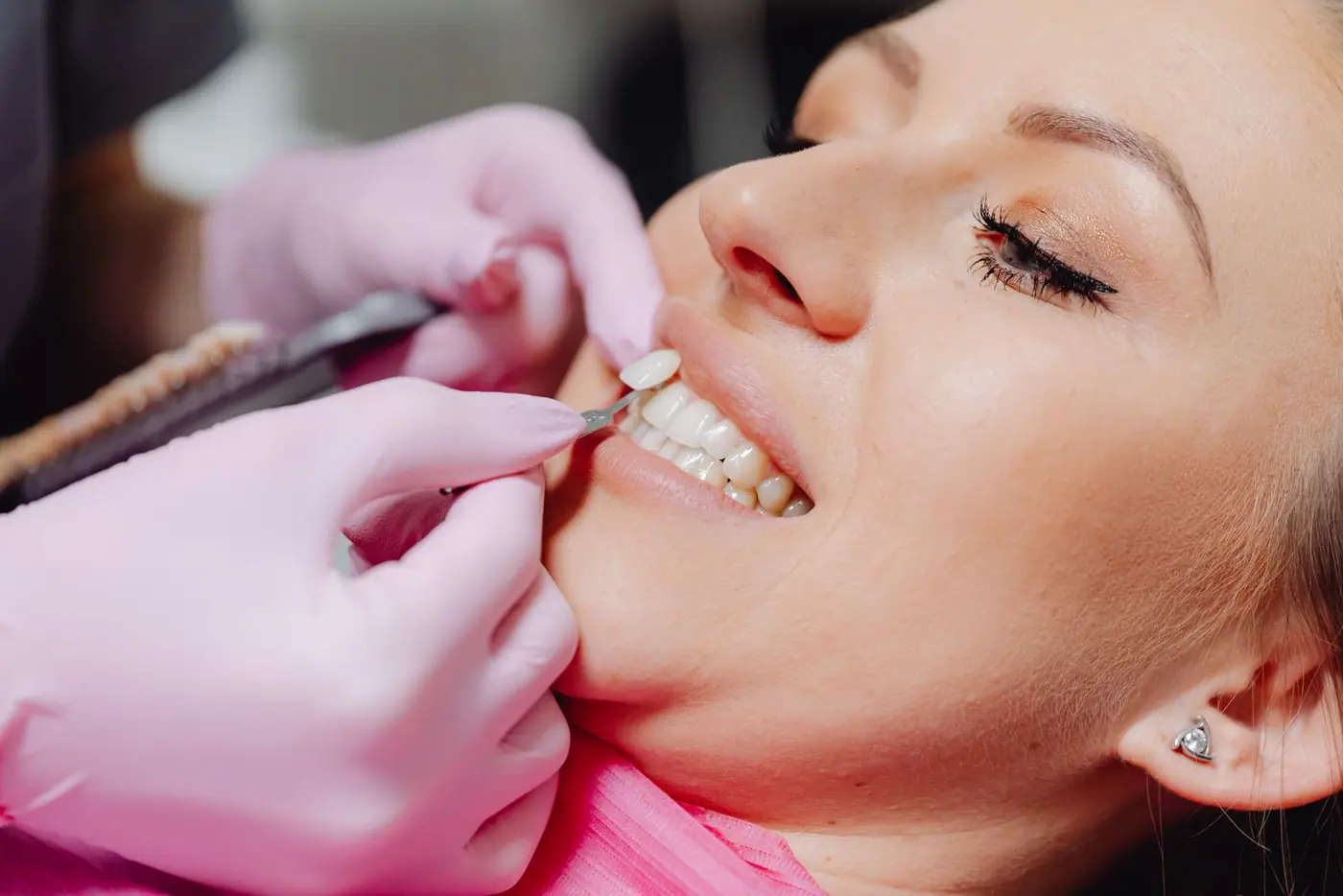
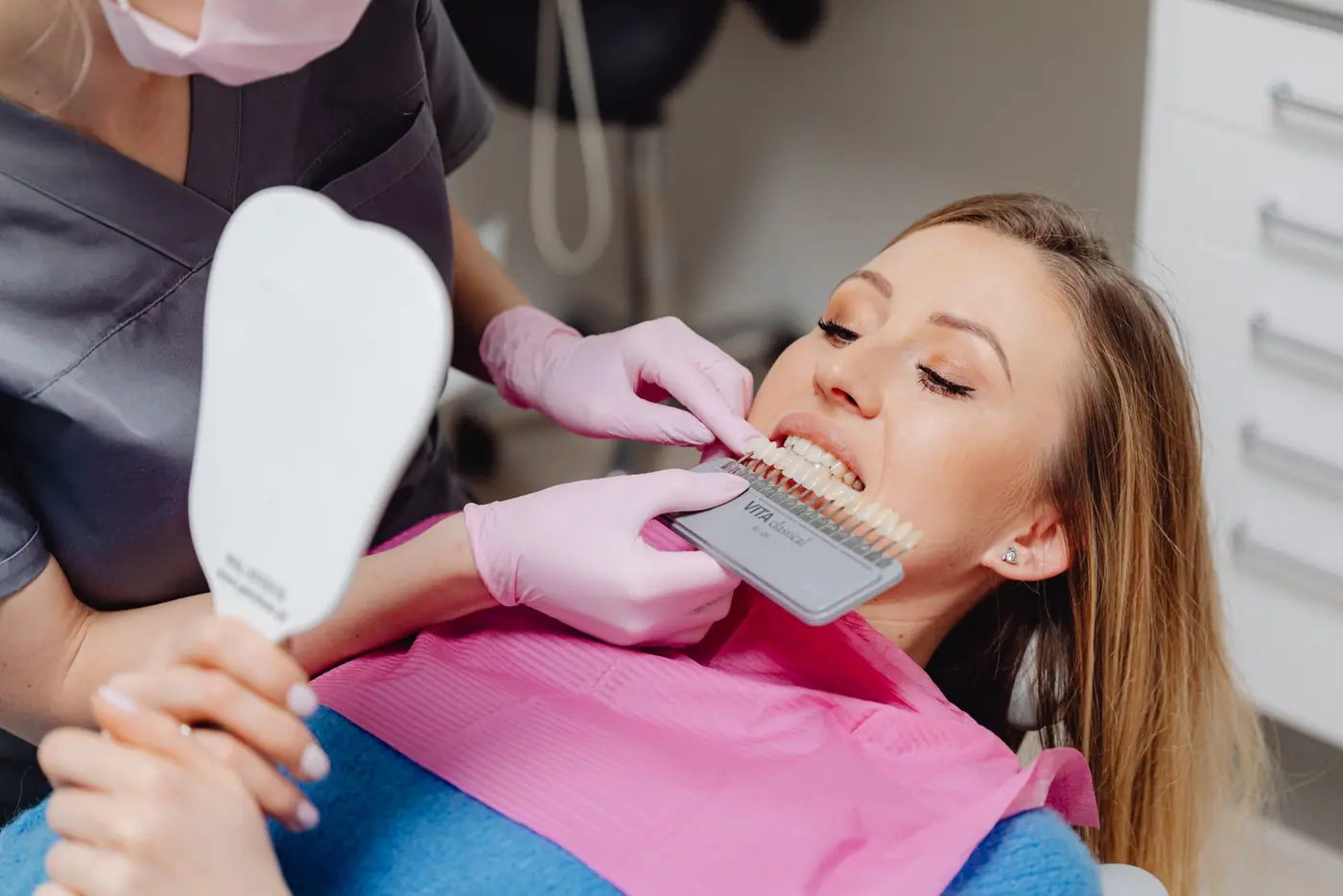
At LHC Dental in Istanbul, whitening starts with an examination to make sure your teeth and gums are ready for treatment. We record your starting shade, explain which method suits you and what kind of result is realistic for your teeth, and protect your gums carefully during the procedure. After whitening, you receive clear aftercare instructions and can contact us with any questions about sensitivity or maintenance.
Frequently Asked Questions
How long do whitening results last?
This varies from person to person. With good oral hygiene and moderate consumption of staining drinks, results usually last from several months to a few years. Smokers and frequent coffee or tea drinkers tend to see the colour return sooner. Occasional top-up treatments can help maintain the shade.
Does teeth whitening damage the enamel?
When whitening is carried out or supervised by a dentist, using appropriate products and application times, it is not expected to damage healthy enamel. Problems are more likely with unsupervised, overly frequent use of whitening products, which is why a dental examination beforehand is important.
Is teeth whitening painful?
The procedure itself is usually comfortable. Some patients feel temporary sensitivity during or after treatment, which generally settles within a few days.
Will my crowns, veneers or fillings become whiter too?
No. Whitening agents only lighten natural tooth structure. Existing restorations keep their original colour, so your dentist will discuss whether any of them should be replaced after whitening to match your new shade.
Can I eat and drink normally after whitening?
You can eat and drink, but for the first 48 hours it is best to avoid strongly coloured foods and drinks such as coffee, tea, red wine, cola and dark sauces, as well as smoking. Lighter-coloured foods are a good choice during this period.
This page is for general information and does not replace a personal examination. Whether a treatment is suitable for you can only be assessed after an examination and consultation.