Dental Veneers
 Dr. med. dent. Hasan Coşkun · Co-founder of LHC Clinic
6 min read · Deutsch
Dental veneers, also known as laminates, are thin, custom-made shells bonded to the front surface of the teeth. They can change the shape, length, colour and proportions of your teeth while keeping much of the natural tooth underneath, making them one of the most versatile options in aesthetic dentistry.
What Are Dental Veneers?
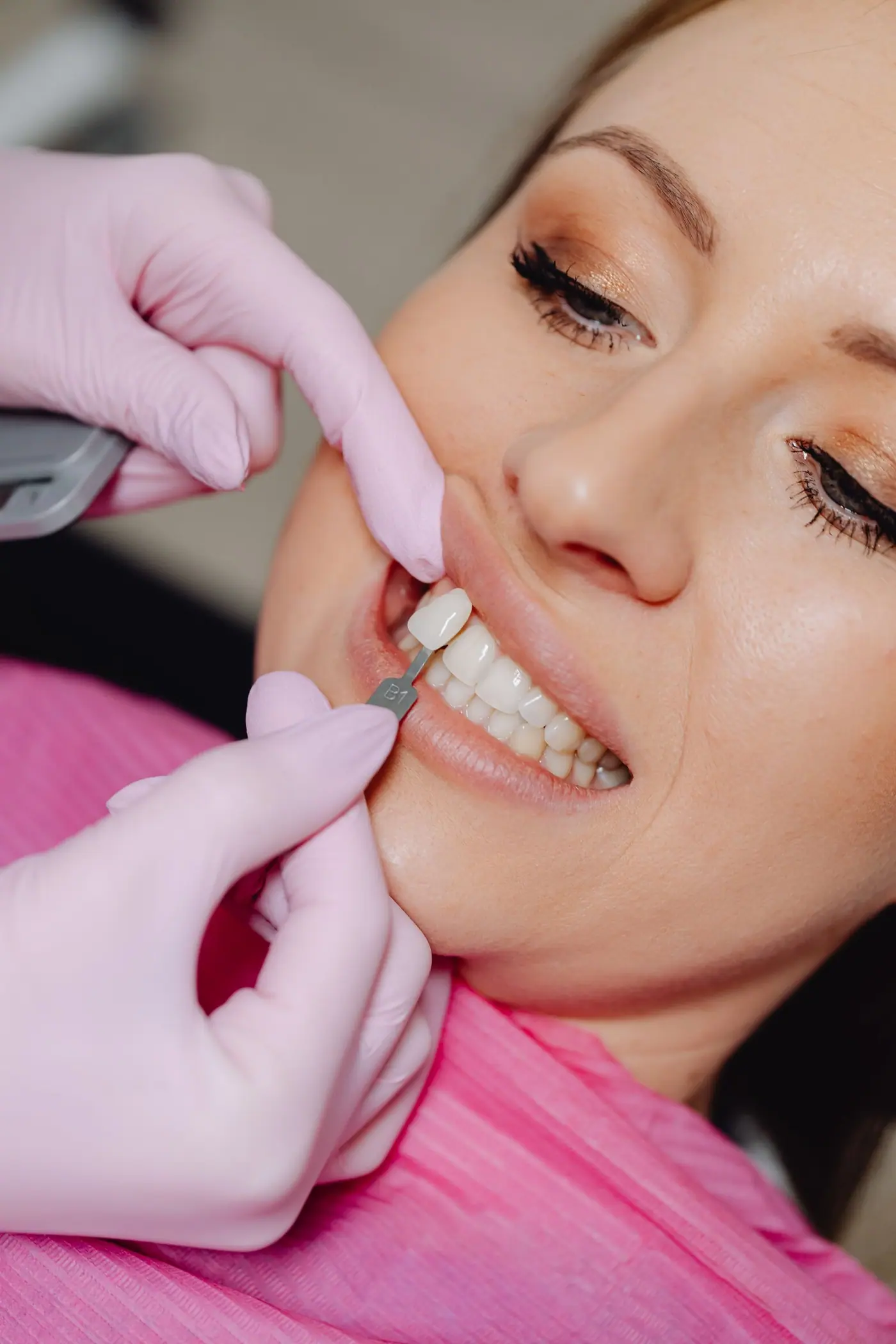
A veneer covers the visible front surface of a tooth, a little like a contact lens covers the eye. Veneers are usually made from porcelain (ceramic) or composite resin and are designed individually for each patient, so they blend with the surrounding teeth and suit the face.
- Porcelain veneers are made in a dental laboratory from a digital scan or impression. They reflect light in a way similar to natural enamel, resist staining well and are generally the longer-lasting option.
- Composite veneers are built up directly on the tooth by the dentist using tooth-coloured resin, often in a single visit. They usually require little or no removal of enamel and are easier to repair, but they are more prone to staining and wear over time.
In most cases, a thin layer of enamel, often a fraction of a millimetre, is removed from the front of the tooth so the veneer can sit naturally without looking bulky. Because enamel does not grow back, this step is permanent, and the tooth will always need a covering afterwards. In selected cases, minimal or no-preparation veneers may be possible; your dentist will tell you whether this applies to you.
Who Are Veneers Suitable For?
Veneers can be a good option for adults with healthy teeth and gums who want to improve:
- Discolouration that does not respond to whitening: Some deep stains, for example from certain medications, a root-treated tooth or developmental defects, cannot be lightened enough with whitening. A veneer covers the stained surface with a new, natural-looking facing in the shade agreed with your dentist.
- Worn teeth: Teeth that have become shorter or flatter over time can have their length and shape restored.
- Gaps between teeth: Small to moderate gaps can be closed for a more even smile.
- Mild irregularities: Slightly rotated or uneven teeth can be made to look straighter. Veneers change how the teeth look, not where they are, so they are not a substitute for orthodontics when the bite or tooth position needs correcting.
- Chipped or slightly cracked teeth: Small fractures on the front teeth can be covered and the tooth contour restored.
- Teeth with an unsatisfactory shape or size: Teeth that are very small, pointed or irregular in shape can be brought into better proportion.
Why Veneers Are Not Suitable for Everyone
Veneers are a careful, partly irreversible treatment, so your dentist will only recommend them when the conditions are right. They may not be suitable, or other problems may need to be treated first, if you have:
- Active gum disease or untreated decay: Veneers need a healthy foundation. Inflamed gums or cavities are treated before any aesthetic work.
- Heavy grinding or clenching (bruxism): Strong, repeated forces can chip, crack or loosen veneers. In some cases veneers are still possible with a night guard; in others, a different solution is safer.
- Too little healthy enamel: Veneers bond best to enamel. If a tooth is heavily filled, very worn or weakened, a crown may protect it better.
- Significant bite or alignment problems: Where teeth are crowded or the bite is clearly out of balance, orthodontic treatment may be needed first, or instead.
- Healthy teeth with only mild discolouration: If whitening alone can achieve the result you want, it is usually the more conservative choice, because it does not require removing enamel.
Advantages of Veneers
- Natural appearance: Porcelain veneers can mimic the translucency and texture of natural enamel and are shaped to harmonise with your face and gums.
- Conservative compared with crowns: Much less tooth structure is removed than for a full crown.
- Stain resistance: Porcelain is highly resistant to staining from coffee, tea and red wine.
- Multiple improvements at once: Colour, shape, length and small gaps can be addressed together in one treatment plan.
- Long-lasting with proper care: With good oral hygiene, regular check-ups and protection from excessive forces, porcelain veneers can last many years. Like any restoration, they may eventually need repair or replacement.
How Are Veneers Placed?
Porcelain veneers usually require at least two visits, spread over several days, with the laboratory work done in between.
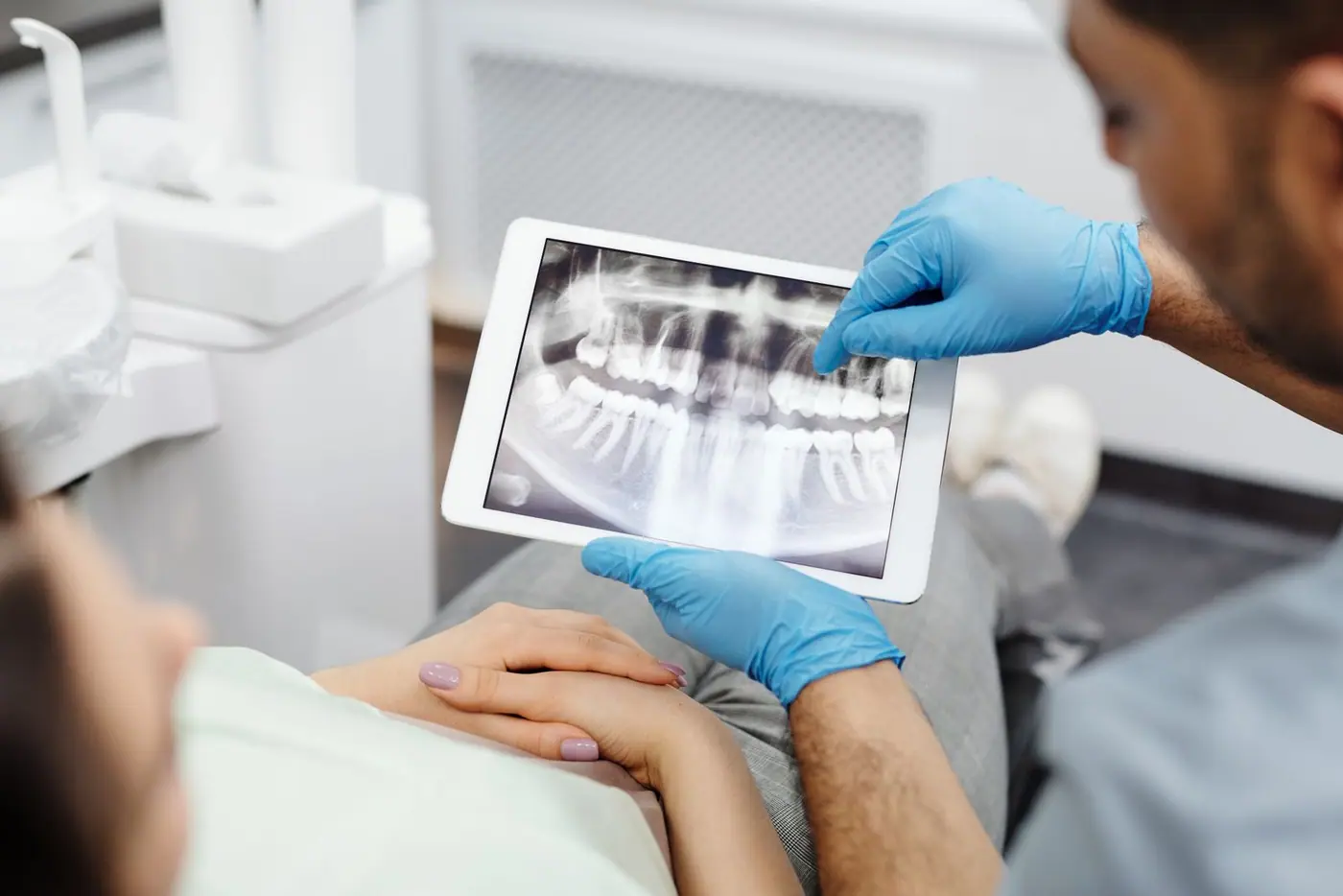
- Examination and planning: Your dentist checks the health of your teeth and gums, takes X-rays where needed and discusses your goals. Digital smile design and a trial mock-up can help you preview the planned shape and length of the teeth.
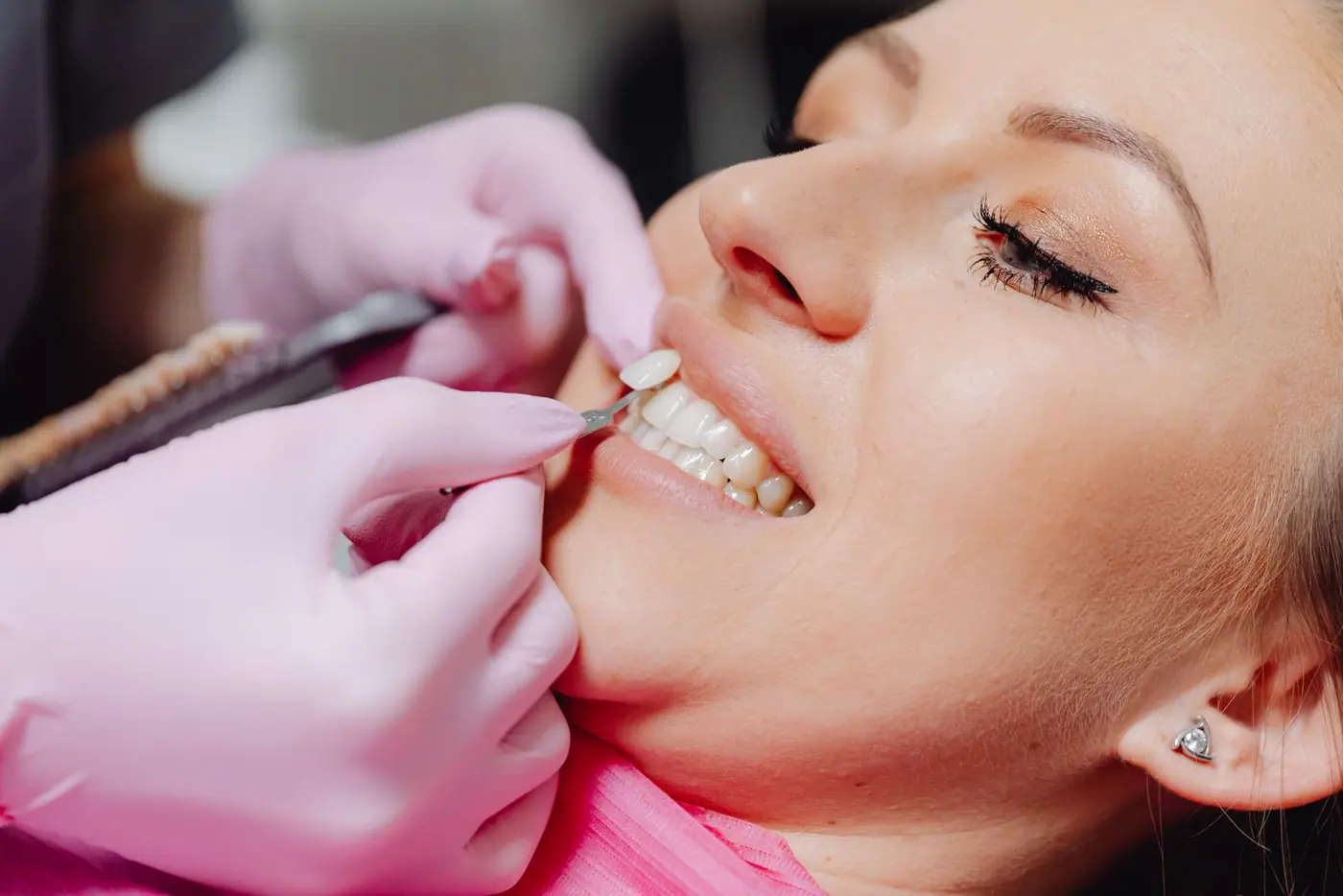
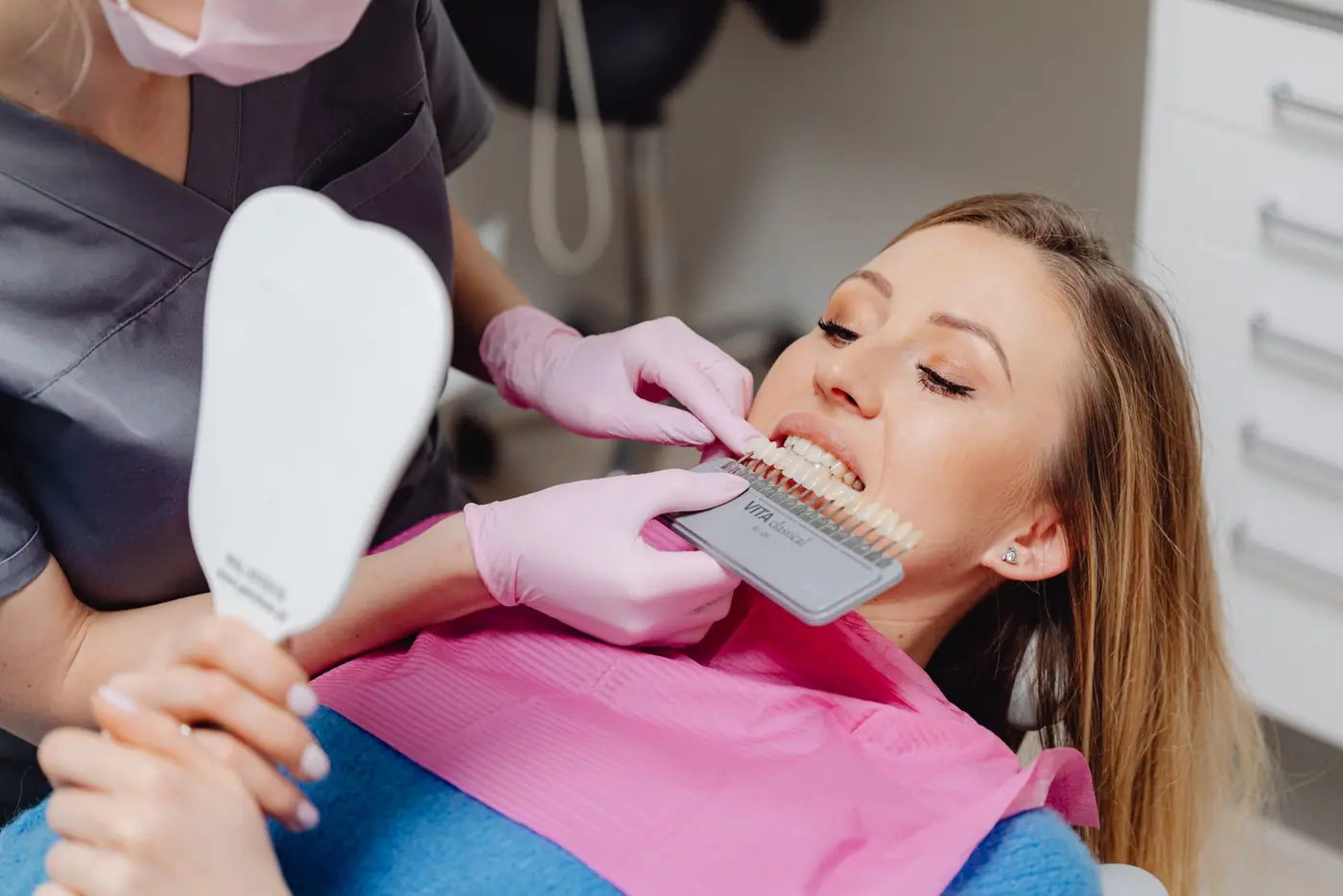
- Shade and design: Together, you agree on a shade and shape that suits your face and looks natural alongside your other teeth.
- Preparation: Under local anaesthesia, a thin layer of enamel is removed from the front of the teeth according to the plan.
- Scan or impression: A precise digital scan or impression is taken and sent to the dental laboratory, where the veneers are crafted.
- Temporary veneers: Temporary veneers are placed to protect the prepared teeth and let you get used to the new shape while you wait.
- Try-in and bonding: The final veneers are tried in to check fit, colour and shape. Once you and your dentist are satisfied, they are bonded to the teeth with a special adhesive and the bite is checked and adjusted.
After preparation and bonding, avoid eating until the local anaesthesia has completely worn off, so you do not accidentally bite your cheek, lip or tongue.
Caring for Your Veneers
- Brush and floss every day: Veneers do not decay, but the natural tooth beneath and the gum around them still need thorough cleaning. Use a soft toothbrush and a non-abrasive toothpaste.
- Avoid biting very hard things: Ice, hard sweets, nut shells, pen tops and fingernails can chip veneers. Avoid opening packages with your teeth.
- Wear a night guard if advised: If you grind or clench your teeth, a custom night guard helps protect your veneers.
- Expect some sensitivity at first: Some patients feel mild sensitivity to hot and cold for a few days after bonding. This usually settles on its own.
- Attend regular check-ups: Routine visits and professional cleanings help keep the gums healthy and allow your dentist to check the edges and bonding of the veneers.
Veneers at LHC Dental
At LHC Dental in Istanbul, veneer treatment begins with an honest assessment of whether veneers are the right option for you, or whether a more conservative treatment such as whitening, bonding or orthodontics would serve you better. We plan each case digitally, show you the proposed design before any tooth is prepared, and explain every step, including the permanent nature of enamel preparation. After treatment, you receive clear aftercare guidance and can stay in contact with our team for follow-up.
Frequently Asked Questions
Does getting veneers hurt?
Tooth preparation is carried out under local anaesthesia, so the procedure itself is usually not painful. Some patients notice mild sensitivity or gum tenderness for a few days afterwards, which generally settles without treatment.
How long do veneers last?
This depends on the material, your bite, your habits and how well you care for them. Porcelain veneers generally last longer than composite veneers, and many last for well over a decade with good care. Grinding, trauma and poor oral hygiene can shorten their lifespan.
Can veneers be removed?
Because a layer of enamel is usually removed, the treatment is generally considered irreversible: the teeth will always need veneers or another restoration afterwards. A veneer can be replaced if it becomes damaged.
Can veneers be whitened later?
No. Porcelain does not respond to whitening agents. If you would like your other teeth to be lighter, whitening is usually done before the veneer shade is chosen, so everything matches.
How many visits do veneers require?
Porcelain veneers usually need at least two appointments: one for preparation and scanning, and one for bonding, with several days in between for laboratory work. Your dentist will tell you how many days to plan for your stay in Istanbul.
This page is for general information and does not replace a personal examination. Whether a treatment is suitable for you can only be assessed after an examination and consultation.