Digital Smile Design
 Dr. med. dent. Hasan Coşkun · Co-founder of LHC Clinic
5 min read · Deutsch
A smile affects how we feel about ourselves and how we connect with others. Creating a smile that looks natural and suits your face takes more than technical dental work; it needs careful, personal planning. With Digital Smile Design (DSD), you can see a preview of your new smile and help shape it before any treatment begins.
What Is Digital Smile Design?
Digital Smile Design is a treatment planning method that uses photographs, videos, intraoral scans and specialised software to analyse your face, lips, gums and teeth. Based on this analysis, your dentist designs a proposed new smile on screen and discusses it with you. Together you can review and adjust the design, so the final treatment plan reflects both clinical requirements and your own wishes.
DSD is not a treatment in itself. It is the planning stage that guides treatments such as veneers, crowns, implants, gum contouring, whitening or orthodontics, so that they work towards a clearly defined goal.
Key Features of DSD
- Personalised planning: Each detail of the smile, from tooth length and shape to the gum line, is planned according to your facial proportions and expectations.
- Visual preview: You can see a digital simulation of your proposed smile before treatment starts.
- Better coordination between treatments: When several treatments are combined, for example gum contouring followed by veneers, a shared digital plan helps each step fit together.
- Shared decisions: The plan is based on both clinical precision and your preferences, so there are fewer surprises.
Beyond the Teeth
DSD looks at more than the teeth alone. Your smile is evaluated in relation to your lips, gums, facial expressions and overall facial proportions. Factors such as the midline of your face, how much tooth shows when your lips are relaxed, the curve of your lower lip when you smile and the symmetry of your gum line all influence the design. The aim is a smile that looks like it belongs to you.
Who Is Suitable for Digital Smile Design?
Digital Smile Design is helpful for anyone who wants their aesthetic dental treatment to be planned precisely and visually, including:
- people considering cosmetic treatments such as veneers, crowns or whitening
- patients planning a smile makeover or full-mouth rehabilitation
- people with asymmetrical teeth, an uneven gum line or bite problems
- anyone who would like to see a preview before deciding on treatment
- people who speak or present in public and want to plan their smile carefully
Your dentist at LHC Dental will assess your needs and goals during a detailed consultation and explain whether DSD is useful in your case.
How Is Digital Smile Design Carried Out?
The DSD process is visual and interactive, with your input at every stage.
1. Digital Imaging and Data Collection
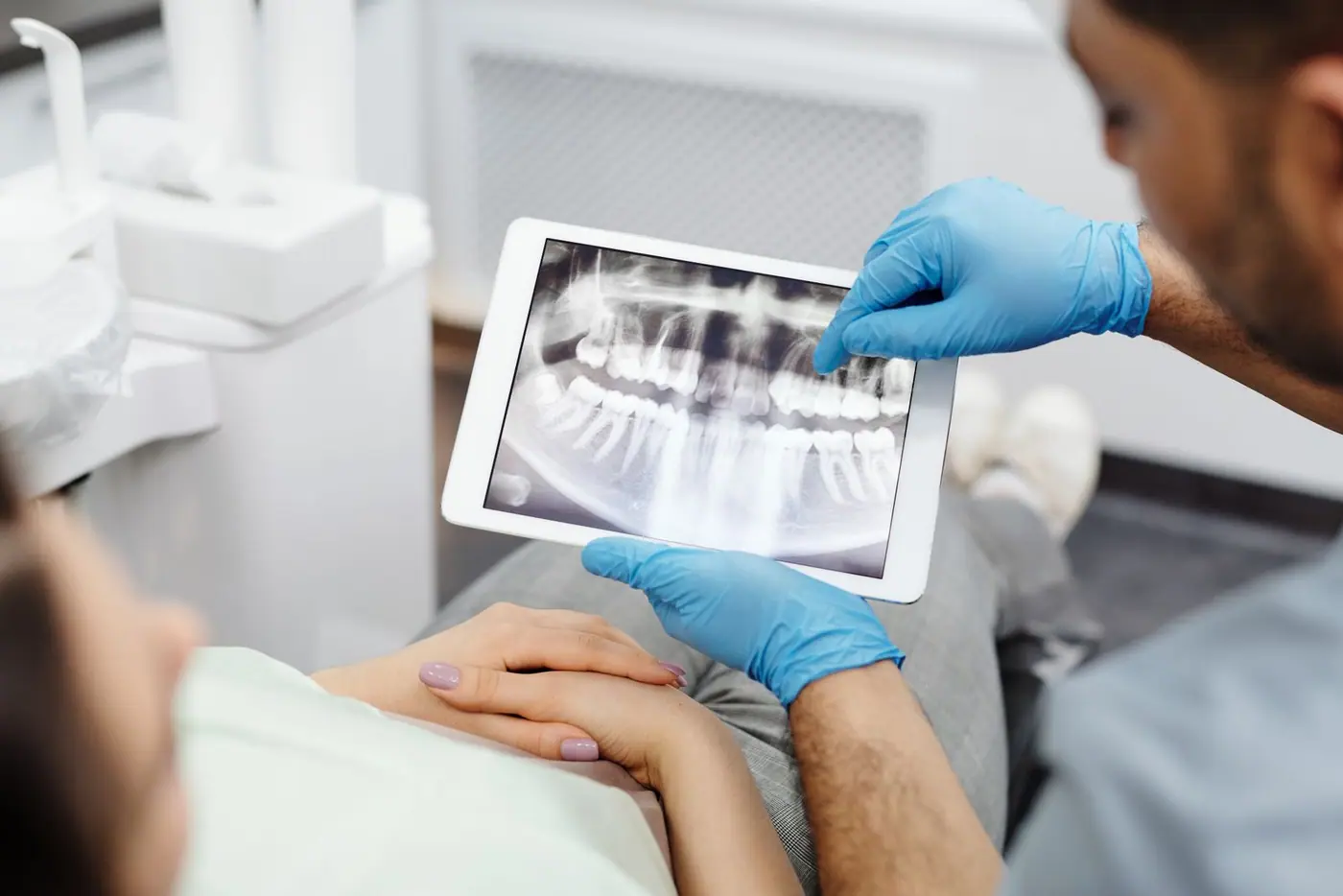
- High-resolution photographs, short videos and intraoral scans are taken.
- Your face, teeth, gums and expressions are analysed digitally.
- A 3D digital model of your current teeth is created.
2. Smile Analysis and Planning
- Symmetry, tooth proportions, tooth shape and the gum line are evaluated.
- Your dentist designs a digital mock-up of the proposed smile.
- You review the design together and discuss any changes you would like.
3. Simulation and Trial Smile
- A simulation of your future smile is shown on screen.
- In many cases, a temporary mock-up made from the digital design can be placed over your teeth, so you can see and feel the proposed shape in your own mouth.
- Your feedback is used to refine the design before treatment begins.
4. Implementation
- The approved design guides the planned treatments, such as veneers, crowns, implants, gum contouring or orthodontics.
- Digital data helps the dental laboratory and your dentist work accurately towards the agreed result.
Advantages of Digital Smile Design
- Know what to expect: You can see a realistic preview before committing to treatment.
- A design based on your features: Your smile is planned to suit your face, rather than following a standard template.
- Natural-looking aesthetics: Teeth are designed in harmony with your gums, lips and face.
- Clearer communication: It is easier to explain your wishes and understand your dentist's recommendations when you are both looking at the same design.
- More predictable treatment: A clear plan reduces the need for adjustments and unnecessary changes along the way.
- More confidence in your decision: You take part in the design process and can make an informed choice.
It is important to remember that a digital simulation is a planning tool. The final result also depends on your biology, the condition of your teeth and gums and how you heal, so your dentist will explain what is realistically achievable in your case.
Caring for Your New Smile
Once your treatment is complete, good care helps keep your smile healthy and attractive:
- Keep up excellent oral hygiene: Brush twice a day and clean between your teeth daily.
- Protect your restorations: If you grind or clench your teeth, a night guard may be recommended to protect veneers, crowns or implants.
- Avoid damaging habits: Biting nails, opening packaging with your teeth or chewing very hard objects can damage both natural teeth and restorations.
- Attend regular check-ups: Routine visits and professional cleanings allow small issues to be spotted early.
Your dentist will give you an aftercare plan tailored to the specific treatments you have received.
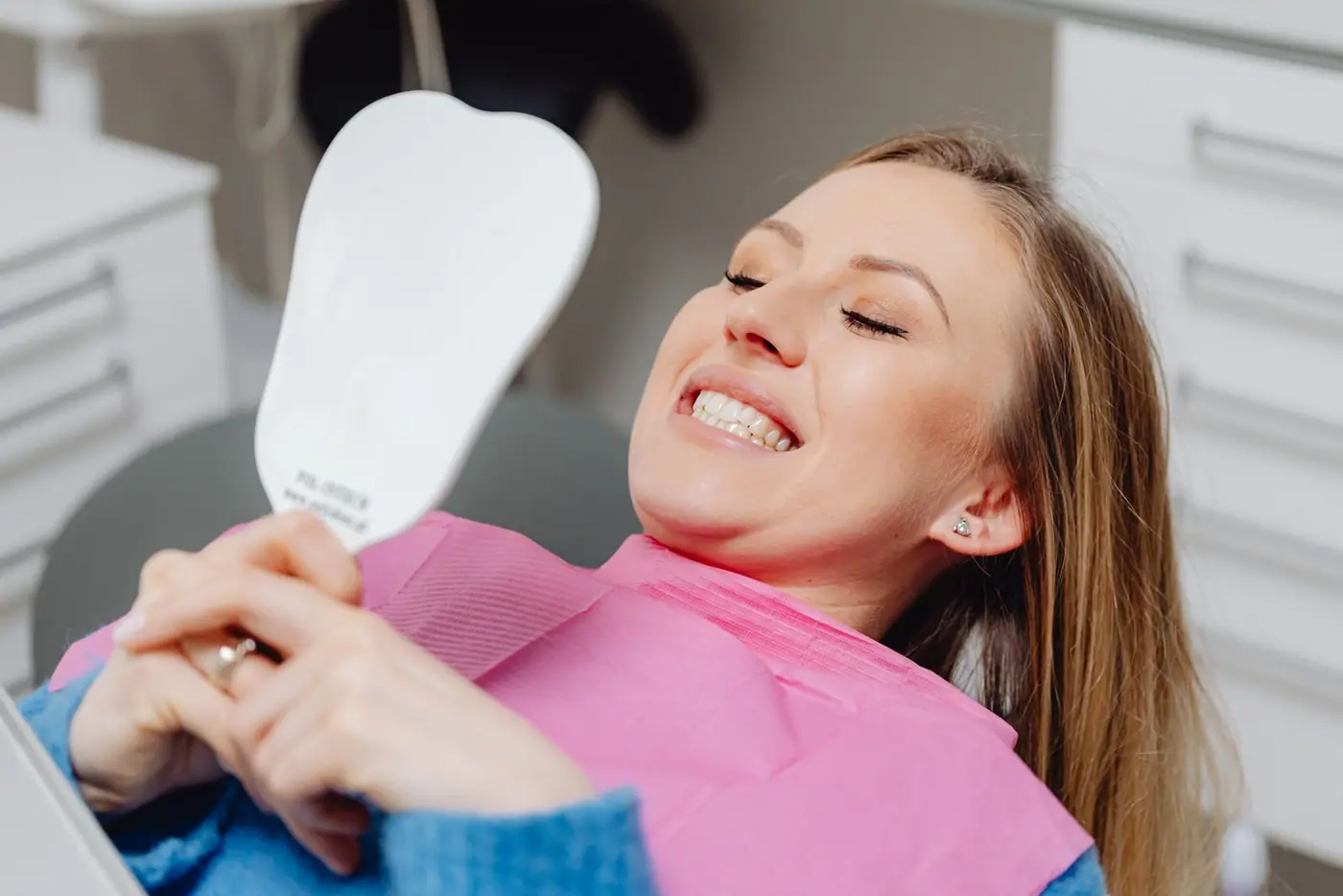
Digital Smile Design at LHC Dental
At LHC Dental in Istanbul, Digital Smile Design is part of how we plan aesthetic treatment. We take the time to understand what you would like to change, show you a proposed design, discuss it openly and adjust it with you before any treatment starts. This shared planning helps you know what to expect at every stage. If you would like to see how your smile could change, you can arrange a consultation with our team.
Frequently Asked Questions
Will my final result look exactly like the digital simulation?
The simulation shows the planned direction and is usually a close guide, but it is not a guarantee. Natural factors such as gum healing, tooth colour and bite can lead to small differences. A trial mock-up in your mouth helps bring the preview closer to reality.
Does Digital Smile Design mean I need veneers?
No. DSD is a planning method. Depending on your goals, the plan may involve whitening, gum contouring, orthodontics, veneers, crowns or a combination. In some cases, a more conservative approach turns out to be the best choice.
Is the DSD process uncomfortable?
No. Taking photographs, videos and intraoral scans is non-invasive and usually comfortable. A trial mock-up is placed over your teeth temporarily and does not require any tooth preparation.
Can I change the design after seeing it?
Yes. Reviewing and refining the design together is a key part of the process. Your dentist will explain which changes are clinically possible and how they would affect the result.
Can DSD be done if I live abroad?
Part of the process, such as sharing photographs and discussing your goals, can often begin before your visit. Detailed scans, the clinical examination and any trial mock-up are carried out at the clinic in Istanbul.
This page is for general information and does not replace a personal examination. Whether a treatment is suitable for you can only be assessed after an examination and consultation.