Hollywood Smile
 Dr. med. dent. Hasan Coşkun · Co-founder of LHC Clinic
6 min read · Deutsch
A Hollywood Smile is about more than white teeth. It is a carefully planned smile makeover that brings the colour, shape, size and alignment of your teeth into harmony with your face, so the result looks bright and confident, yet still unmistakably yours. At LHC Dental in Istanbul, every Hollywood Smile is designed individually, step by step, together with you.
What Is a Hollywood Smile?
"Hollywood Smile" is the popular name for a cosmetic treatment plan that improves the visible teeth, usually the ones that show when you smile and talk. It is not a single procedure but a combination of treatments chosen for your situation. Depending on your teeth, the plan may include veneers, crowns, whitening, gum contouring or minor alignment corrections.
The name comes from the even, bright smiles often seen on screen, but a good result is not a copy of someone else's teeth. The aim is a smile that suits your face shape, lip line, skin tone and personality, and that both women and men can wear naturally.
What Can a Hollywood Smile Correct?
A smile makeover can address several concerns at once:
- Discoloured or stained teeth that do not respond well to whitening
- Chipped, worn or short teeth
- Small gaps between teeth
- Teeth of uneven size or shape
- Mildly crooked or rotated teeth
- An uneven gum line or a gummy smile
- Old fillings or crowns that no longer match
What Treatments Can Be Part of It?
Your dentist will recommend the combination that suits your teeth and your goals. Not every patient needs every treatment.
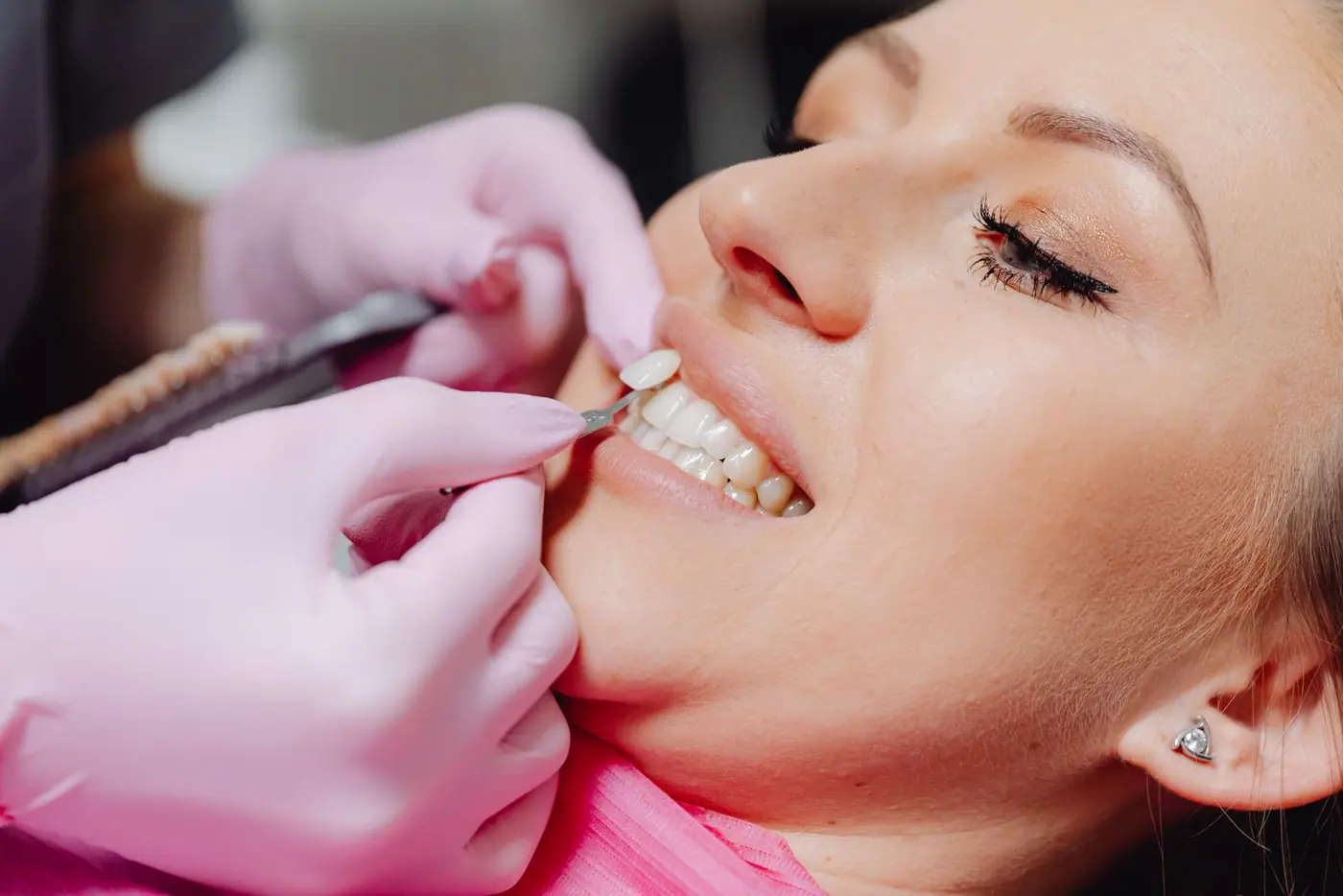
- Porcelain veneers (laminates): thin ceramic shells bonded to the front surface of the teeth. They can change colour, shape and length while preserving as much natural tooth as possible.
- Zirconia or ceramic crowns: cover the whole tooth and are used when teeth are heavily restored, broken or root-canal treated.
- Teeth whitening: sometimes used alone for mild discolouration, or before treatment so that untreated teeth match the new restorations.
- Gum contouring: reshapes an uneven gum line so the teeth appear balanced and in proportion.
- Composite bonding: tooth-coloured resin can repair small chips or close small gaps with little or no preparation.
- Orthodontic treatment: for more significant crowding or misalignment, clear aligners or braces may be advised first, so that less tooth structure needs to be altered later.
Planning Your Smile
Careful planning is what makes a smile look natural rather than artificial.
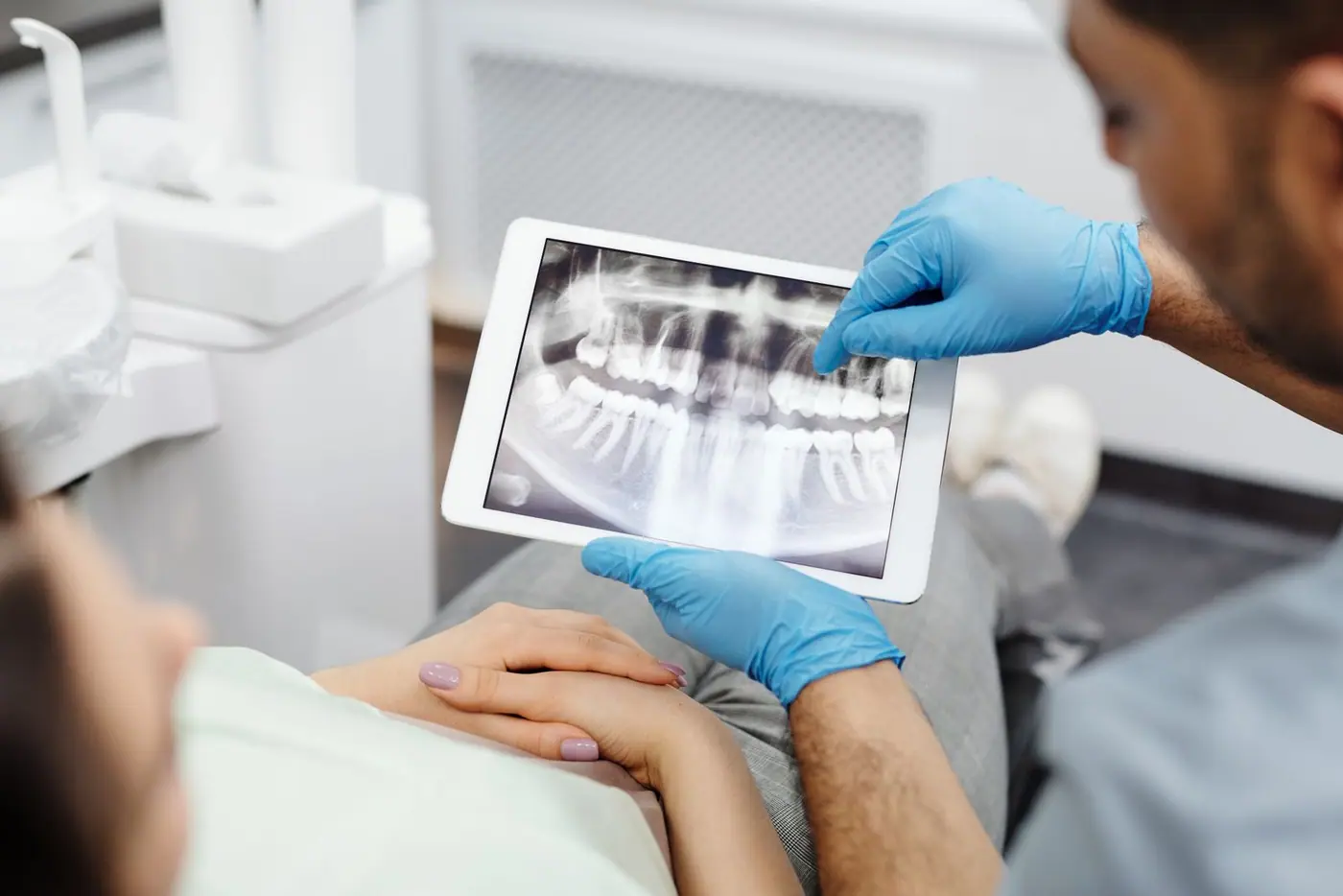
- Examination: your dentist checks your teeth, gums, bite and jaw joints, with X-rays and digital scans where needed. Any decay or gum disease is treated first, because restorations need a healthy foundation.
- Discussing your goals: you talk through what you would like to change and what matters to you, such as how bright or how natural you want your teeth to look.
- Digital smile design: using photos and scans, the proposed smile is planned digitally, taking into account your facial proportions, lip line and the midline of your face.
- Trial smile (mock-up): in many cases, a temporary model of the new teeth can be placed over your own teeth, so you can see and feel the planned shape before any permanent work begins.
How Is the Treatment Carried Out?
The exact steps depend on your treatment plan. For veneers or crowns, the process usually looks like this:
- Preparation: under local anaesthesia, the teeth are gently reshaped. For veneers, usually only a thin layer of enamel is removed; crowns require more preparation.
- Digital impressions and temporaries: the teeth are scanned and, where needed, temporary restorations are placed to protect them and give you a preview.
- Fabrication: the final veneers or crowns are made in the laboratory to the agreed shape and shade.
- Try-in and bonding: the restorations are checked for fit, colour and bite, adjusted if necessary, and then permanently bonded.
- Final check: your bite is fine-tuned and you receive aftercare instructions.
Treatment is usually completed over several visits within a few days to a couple of weeks, depending on the number of teeth and any preliminary treatment needed. If gum treatment, extractions or implants are required first, additional healing time may be needed.
Who Is a Suitable Candidate?
A Hollywood Smile may be suitable if you are unhappy with the appearance of your teeth and have healthy gums and enough sound tooth structure. Your dentist may advise a different approach, or treatment in stages, if:
- You have active gum disease or untreated decay
- You grind or clench your teeth heavily (a night guard is then essential)
- Your teeth are severely crowded or your bite needs orthodontic correction first
- There is not enough enamel left for veneers to bond reliably
Things to Consider Before Treatment
- It is usually irreversible: veneers and crowns require reshaping of the natural teeth, so the teeth will always need a restoration afterwards.
- Natural versus very white: the brightest shade is not always the most attractive. A shade that suits your skin tone and the whites of your eyes tends to look more natural.
- Temporary sensitivity: some sensitivity to hot or cold after preparation is common and usually settles within days to a few weeks.
- Restorations can need replacing: ceramic is strong but not indestructible. Over time, restorations may chip or need renewal, particularly if you grind your teeth.
How Long Does a Hollywood Smile Last?
With good care, porcelain veneers and zirconia crowns can last many years, often more than a decade. How long they last depends on your oral hygiene, your bite, habits such as grinding and how regularly you attend check-ups.
Aftercare: Keeping Your Smile Healthy
- Wait until the anaesthesia wears off before eating, so you do not bite your lip or cheek.
- Brush twice a day and clean between your teeth daily, paying attention to the gum line around the restorations.
- Avoid biting very hard things such as ice, nut shells or pens, and do not use your teeth as tools.
- Wear a night guard if you grind or clench your teeth.
- Limit smoking, coffee, tea and red wine, which can stain the edges of restorations and your natural teeth.
- Attend regular check-ups and professional cleanings so small issues can be caught early.

Your Hollywood Smile at LHC Dental
At LHC Dental, a smile makeover begins with listening: what you would like to change, and what you would like to keep. Your dentist then examines your oral health, plans your smile digitally and explains each option, including its limits, before any treatment begins. Wherever possible, you can preview the planned shape with a trial smile. After treatment, you receive clear aftercare guidance and follow-up, so your new smile stays healthy as well as beautiful.
Frequently Asked Questions
Is a Hollywood Smile painful?
Preparation is carried out under local anaesthesia, so you should feel pressure rather than pain. Afterwards, the gums may be slightly tender and the teeth temporarily sensitive for a few days.
Will my teeth look fake?
A natural-looking result depends on planning. Shade, shape, translucency and proportions are chosen to suit your face, and a trial smile lets you see the design before treatment, so the result does not have to look artificial.
Should I choose veneers or crowns?
Veneers are usually preferred when the teeth are healthy and mainly need a change in colour or shape, because they require less preparation. Crowns are used for teeth that are heavily filled, broken or weakened. Your dentist will recommend the option that suits each tooth.
How many teeth are usually treated?
It varies. Many patients treat the teeth visible when they smile, often the front six to ten teeth in the upper jaw, sometimes the lower jaw as well. Your dentist will advise based on your smile line.
Can I get a Hollywood Smile if I have gum disease?
Gum disease needs to be treated first. Restorations placed on inflamed gums do not look or last as well, so your dentist will make sure your gums are healthy before starting.
This page is for general information and does not replace a personal examination. Whether a treatment is suitable for you can only be assessed after an examination and consultation.