Gummy Smile Treatment
 Dr. med. dent. Hasan Coşkun · Co-founder of LHC Clinic
6 min read · Deutsch
If more of your gums than you would like shows when you smile, your teeth can look short and your smile can feel out of balance. This is known as a gummy smile, and with today's dental techniques it can usually be treated in a predictable, carefully planned way. Below we explain what a gummy smile is, why it happens, who can benefit from treatment and which options are available.
What Is a Gummy Smile?
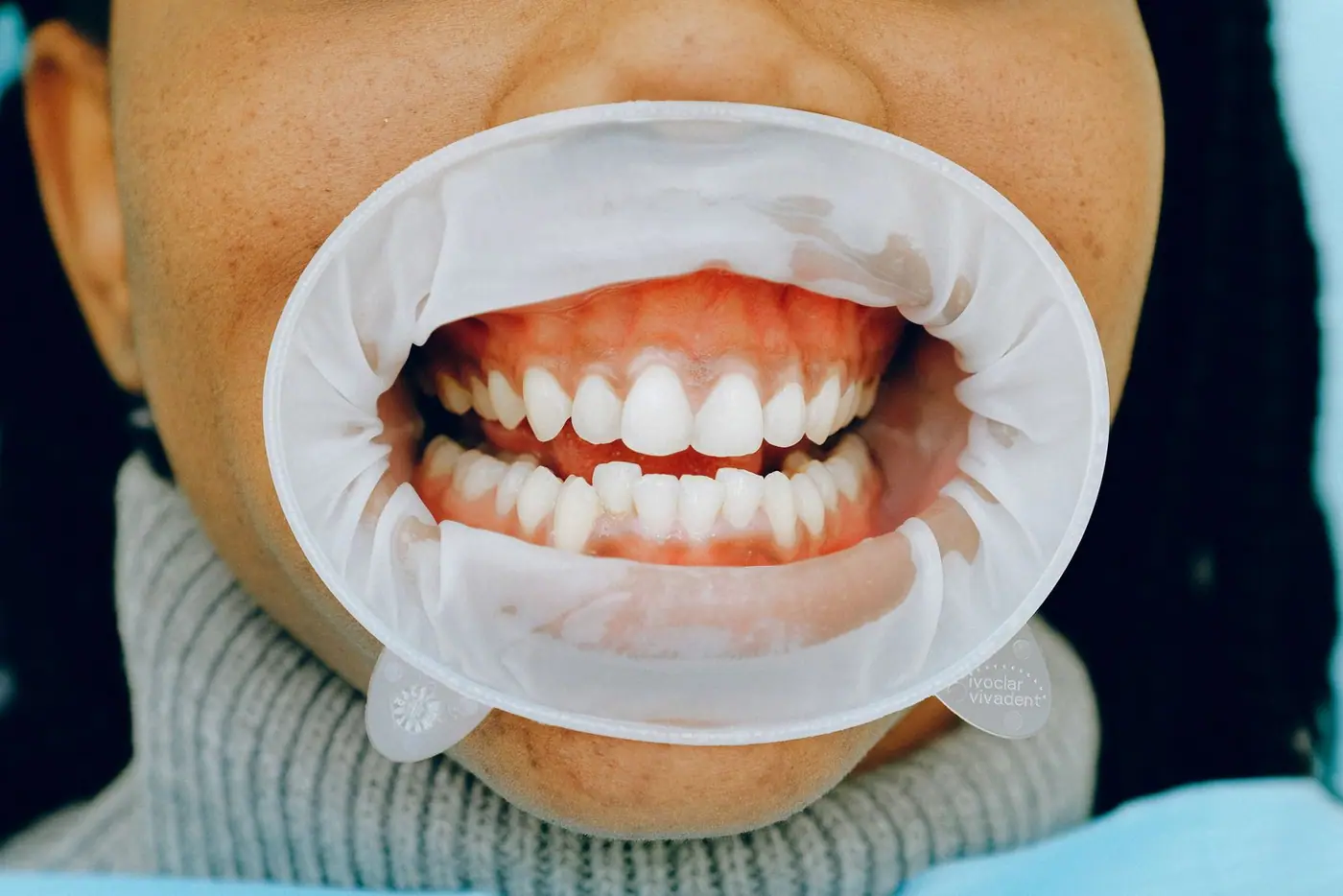
A gummy smile describes a smile in which a band of upper gum tissue is clearly visible above the teeth. There is no single fixed measurement, but dentists often consider a smile "gummy" when around 3–4 millimetres or more of gum shows during a natural smile. Whether this is a concern is a personal matter: for some people it is part of their natural look, while for others it makes the teeth appear small or the smile uneven and affects how comfortable they feel smiling.
A gummy smile is primarily an aesthetic issue. In some cases, however, excess gum tissue also makes cleaning more difficult, which can encourage plaque build-up and gum inflammation.
Why Does a Gummy Smile Occur?
Understanding the cause is the most important step, because the right treatment depends on it. Often more than one factor is involved.
- Excess gum tissue: The gums cover more of the tooth surface than usual, so the teeth look shorter. This may be due to the way the gums developed (altered passive eruption) or to gum overgrowth caused by inflammation or certain medications.
- Upper jaw structure: If the upper jaw has grown more vertically than average, the gums sit lower in relation to the lip and become more visible.
- Upper lip movement: A hypermobile upper lip rises higher than usual when you smile, exposing more gum. A naturally short upper lip can have a similar effect.
- Short or worn teeth: Teeth that are naturally short or have been worn down, for example by grinding, can make the gums look more prominent in proportion.
Who Is Suitable for Gummy Smile Treatment?
Treatment is suitable for adults with healthy teeth and gums who are unhappy with how much gum shows when they smile. It may particularly help people who:
- feel that their gums are very prominent when they smile
- have an uneven gum line, where some teeth look longer than others
- feel their teeth look short or small
- have an unbalanced smile because of the way their upper lip moves
Before any treatment, existing gum inflammation or tooth decay should be treated. Your dentist will also assess your general health and, for some options, whether your jaw growth is complete.
How Is a Gummy Smile Diagnosed?
At LHC Dental, diagnosis starts with a clinical examination and an assessment of your smile at rest and in motion. Your dentist measures how much gum shows, the length and width of your teeth, the position of the gum line and the thickness of the gum and underlying bone. Photographs, X-rays and, where helpful, digital smile planning are used to show how your smile could change and which approach is most appropriate. You will receive a clear explanation of the cause, the options and what each one involves.
Treatment Options
Treatment is planned individually according to the structure of your teeth, gums, lips and jaw. Sometimes a combination of methods gives the most balanced result.
Gum Contouring (Gingivectomy)
If the gums cover too much of the tooth, the excess tissue is removed and the gum line is reshaped so that the teeth look longer and more proportionate. The procedure is carried out under local anaesthesia, so it is usually not painful, and mild tenderness afterwards generally settles within a few days.
Crown Lengthening
When the bone beneath the gums also sits too close to the tooth crowns, removing gum alone may not give a stable result. In this case, a small amount of bone is carefully reshaped as well, so that the new gum line stays in place as it heals. Healing usually takes a little longer than with simple gum contouring.
Laser Gum Treatment
A dental laser can be used to remove and shape excess gum tissue precisely. Benefits often include less bleeding during the procedure and a comfortable recovery. Whether a laser is suitable depends on how much tissue needs to be reshaped and whether bone is involved.
Orthodontic Treatment
If the position of the teeth contributes to the gummy smile, for example when the front teeth have over-erupted, orthodontic treatment can move them into a better position. This improves both appearance and bite, although it takes longer than other options.
Botulinum Toxin for Lip Movement
When a highly mobile upper lip is the main cause, small injections can temporarily relax the muscles that lift the lip, so less gum shows when you smile. The effect is not permanent and usually lasts several months, after which the treatment can be repeated if desired. Your dentist will discuss whether this option is appropriate and available in your case.
Surgical Options: Lip Repositioning and Jaw Surgery
A lip repositioning procedure can limit how high the upper lip rises. If the gummy smile is mainly caused by the structure of the upper jaw, orthognathic (jaw) surgery, usually combined with orthodontic treatment, may be considered. These more extensive options are reserved for specific cases and are planned together with the relevant specialists.
Recovery and Aftercare
Recovery depends on the type of treatment and varies from person to person. After gum or crown lengthening procedures, these steps support healing:
- Keep the area clean: Continue brushing and cleaning between your teeth, but brush the treated area gently with a soft brush as your dentist advises, so the healing gums are not irritated.
- Choose soft foods for the first few days: Avoid hard, crunchy, spicy or very hot food, which can irritate the gums. Wait until the local anaesthesia has worn off completely before eating.
- Avoid smoking and alcohol: Both slow down healing and increase the risk of complications.
- Use medication as prescribed: Take any painkillers or mouth rinses as recommended by your dentist.
- Attend follow-up visits: Your dentist will check that the gums are healing well and that the new gum line is stable.
Why Plan Your Gummy Smile Treatment at LHC Dental?
A gummy smile has different possible causes, and the right treatment depends on identifying them correctly. At LHC Dental in Istanbul, we take time to analyse your smile, use photographs, X-rays and digital planning to show you the expected change, and explain each option honestly, including when a simpler or more extensive approach would be more appropriate. After treatment, we stay in contact to guide you through healing and aftercare.
Frequently Asked Questions
Is gummy smile treatment painful?
Gum contouring and crown lengthening are carried out under local anaesthesia, so the procedure itself is usually not painful. Some tenderness and swelling may follow for a few days, which can generally be managed with the painkillers your dentist recommends.
Are the results permanent?
Results of surgical gum and bone reshaping are generally long-lasting when the gums are healthy and well cared for. Botulinum toxin treatment for lip movement is temporary and usually needs to be repeated after several months.
How long does recovery take?
After gum contouring, the gums usually feel comfortable within about a week, while full maturation of the gum line takes several weeks. Crown lengthening and surgical options generally need longer. Healing times vary between individuals.
Can the gums grow back after treatment?
If only gum tissue was removed in a case where the bone also sits too high, some regrowth is possible. This is why your dentist assesses the bone level beforehand and recommends crown lengthening when needed.
Can gummy smile treatment be combined with veneers or whitening?
Yes. Many patients combine gum reshaping with veneers, crowns or whitening to improve both the gum line and the shape or colour of the teeth. Gum treatment is usually done first, and the restorations are completed once the gums have healed.
This page is for general information and does not replace a personal examination. Whether a treatment is suitable for you can only be assessed after an examination and consultation.