Gum Disease Treatment: Act Early, Stay Healthy
 Dr. med. dent. Hasan Coşkun · Co-founder of LHC Clinic
5 min read · Deutsch
Gum disease is one of the most common oral health problems, and it often develops quietly, without pain. Caught early, it can usually be reversed; left untreated, it can damage the bone that holds your teeth. At LHC Dental in Istanbul, we diagnose and treat both early and advanced gum disease, with a clear plan for each stage.
What Is Gum Disease?
Gum disease is an inflammation of the tissues that surround and support the teeth. It is caused mainly by plaque, a sticky film of bacteria that forms on the teeth every day. If plaque is not removed thoroughly, it irritates the gums and can harden into tartar (calculus), which cannot be removed by brushing alone.
Gum disease has two main stages:
- Gingivitis: the early, reversible stage, affecting only the gums
- Periodontitis: the advanced stage, in which the inflammation spreads to the bone and fibres that anchor the teeth
Knowing which stage you are in determines how your gums are treated.
Gingivitis: The Early Stage
What Causes Gingivitis?
Gingivitis develops when plaque builds up along the gum line, most often because of irregular brushing or not cleaning between the teeth. Certain factors make it more likely or more severe:
- Smoking
- Hormonal changes, for example during pregnancy
- Stress and a weakened immune system
- Some general health conditions, such as diabetes
- Certain medications that cause dry mouth or gum overgrowth
- Crowded teeth or old restorations that make cleaning difficult
Signs of Gingivitis
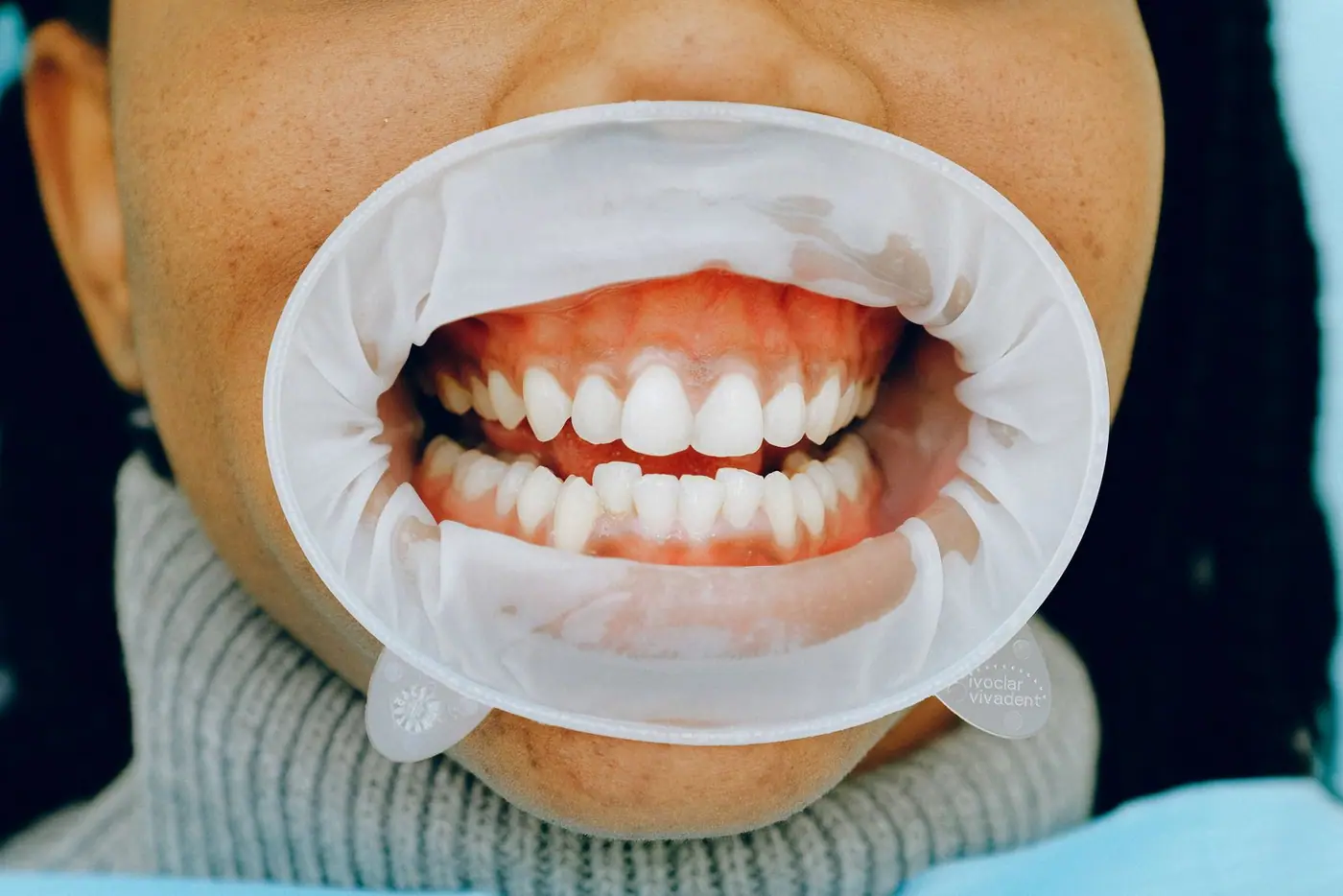
- Red or swollen gums
- Bleeding when brushing, flossing or eating
- Bad breath
- Mild tenderness of the gums
Healthy gums do not bleed during normal brushing. Bleeding is one of the earliest and most important warning signs.
How Is Gingivitis Treated?
Gingivitis can usually be fully reversed with early treatment:
- Professional cleaning: your dentist or hygienist removes plaque and tartar above and just below the gum line.
- Improved home care: brushing twice a day with fluoride toothpaste, cleaning between the teeth daily with floss or interdental brushes, and, if recommended, using an antiseptic mouthwash for a limited period.
- Reducing risk factors: cutting down on sugary snacks and drinks, and stopping smoking, helps the gums recover.
With consistent care, the gums usually return to a healthy state within a few weeks.
Periodontitis: The Advanced Stage
What Is Periodontitis?
If gingivitis is not treated, the inflammation can spread deeper. The gums begin to separate from the teeth, forming periodontal pockets where bacteria collect. Over time, the bone and fibres that hold the teeth are broken down. This damage cannot be fully reversed, but treatment can stop or slow its progression and help keep your teeth.
Risk Factors for Periodontitis
- Untreated gingivitis
- Poor oral hygiene over a long period
- Smoking, one of the strongest risk factors
- Genetic predisposition
- Diabetes and some other general health conditions
- Stress and a weakened immune system
Signs of Periodontitis
- Gums that have receded, making teeth look longer
- Persistent bad breath or an unpleasant taste
- Pus or discharge from the gums
- Teeth that feel loose or have shifted position
- Gaps appearing between teeth
- Discomfort when chewing
How Is Periodontitis Treated?
Treatment is planned according to the depth of the pockets and the amount of bone lost. Your dentist will usually measure your gums and take X-rays first.
Deep Cleaning (Scaling and Root Planing)
This is the foundation of periodontitis treatment. Under local anaesthesia, plaque and tartar are removed from the root surfaces inside the pockets, and the roots are smoothed so the gums can heal and reattach more closely to the teeth. It may be carried out in one or several sessions.
Supporting Medication
In some cases, your dentist may prescribe antibiotics or place an antimicrobial agent directly into deep pockets. These are used in addition to cleaning, never instead of it.
Laser-Assisted Therapy
For selected cases, a dental laser can be used to help reduce bacteria in the pockets as part of the treatment.
Surgical Treatment
If deep pockets remain after cleaning, minor gum surgery may be needed to clean the roots directly and reduce the pocket depth. Where bone or gum tissue has been lost, regenerative procedures such as bone grafting or soft tissue grafting may be considered.
Maintenance
Periodontitis needs long-term follow-up. After active treatment, regular maintenance cleanings, often every three to six months depending on your situation, help keep the condition stable.
How to Prevent Gum Disease
- Brush correctly: use a soft-bristled toothbrush for about two minutes, twice a day, with gentle movements along the gum line.
- Clean between your teeth every day: floss or interdental brushes remove plaque where a toothbrush cannot reach.
- Have regular check-ups: usually every six months, or as often as your dentist recommends, so problems are found early.
- Limit sugary and acidic foods: frequent sugar feeds plaque bacteria; vegetables and fibre-rich foods are kinder to your gums.
- Avoid smoking and limit alcohol: smoking in particular hides bleeding, slows healing and speeds up gum disease.
- Drink enough water: it helps keep your mouth moist and rinses away food particles.
- Look after your general health: well-controlled diabetes and a balanced diet support healthy gums.
Why Treating Gum Disease Matters
Gum disease is one of the main causes of tooth loss in adults. Research also links periodontitis with general health conditions such as diabetes and heart disease, so healthy gums are part of looking after your overall health. The earlier the problem is treated, the simpler the treatment usually is.

Gum Disease Treatment at LHC Dental
At LHC Dental, treatment starts with a thorough examination, gum measurements and X-rays where needed, so we can tell you exactly which stage you are in. Your dentist explains the findings, the recommended steps and what you can do at home to support healing. After treatment, we set out a follow-up plan so your gums stay healthy in the long term.
Frequently Asked Questions
Is bleeding when brushing normal?
No. Healthy gums usually do not bleed during normal brushing. Bleeding is often an early sign of gingivitis and is worth having checked, even if there is no pain.
Can gum disease be cured?
Gingivitis can usually be fully reversed. Periodontitis cannot be completely reversed, because lost bone does not grow back by itself, but with treatment and regular maintenance it can usually be brought under control.
Is deep cleaning painful?
Deep cleaning is carried out under local anaesthesia, so you should feel little during treatment. Your gums may feel tender and your teeth slightly sensitive for a few days afterwards.
How long does treatment take?
Gingivitis often improves within a few weeks of professional cleaning and good home care. Periodontitis treatment may take several sessions, followed by a re-evaluation after some weeks and ongoing maintenance.
Can gum disease come back?
Yes. Without good daily cleaning and regular check-ups, inflammation can return. Maintenance visits are an important part of keeping results stable.
This page is for general information and does not replace a personal examination. Whether a treatment is suitable for you can only be assessed after an examination and consultation.